Emergency Damage Assessment Professionals Unveiled
Emergency Damage Assessment: Your 24/7 Guide to Expert Property Restoration and Peace of Mind
When disaster strikes—a sudden flood, a devastating fire—every second truly counts. Homeowners facing property damage need more than just a quick fix; they need precision, speed, and unwavering expertise. That’s where emergency damage assessment professionals step in. They’re your first line of defense, evaluating structural loss within hours to guide a swift, effective recovery.
In this essential guide, you’ll discover how our certified technicians at nationalemergencywaterdamageexperts.com deliver comprehensive inspections, follow a meticulous water damage restoration workflow, expertly tackle fire and smoke cleanup, proactively prevent mold growth, provide crucial 24/7 emergency support, assist seamlessly with insurance claims, and ultimately, deliver unmatched service reliability. By mapping each critical phase—from the initial, urgent assessment to the final, flawless repair—you’ll understand why calling our dedicated team at nationalemergencywaterdamageexperts.com isn’t just a call for help, it’s your direct path to rapid restoration and invaluable peace of mind.
24/7 Emergency Damage Assessment for Rapid Property Restoration
Emergency damage assessment is the immediate, systematic evaluation of structural, water, fire, or smoke damage right after an incident. It’s about quickly determining the full scope, severity, and the precise restoration steps needed. This crucial process isn’t just about what you can see; it’s about defining the true extent of harm and mapping out every remediation need to prevent hidden deterioration and ensure accurate insurance documentation. For instance, spotting hidden moisture pockets behind walls within the first 24 hours can stop mold colonization dead in its tracks, saving you significant repair costs down the line. Establishing accurate damage parameters from the start leads seamlessly into the detailed, expert methodologies our professionals use to inspect every single affected area.
How Do Our Professionals Conduct a Comprehensive Damage Assessment?
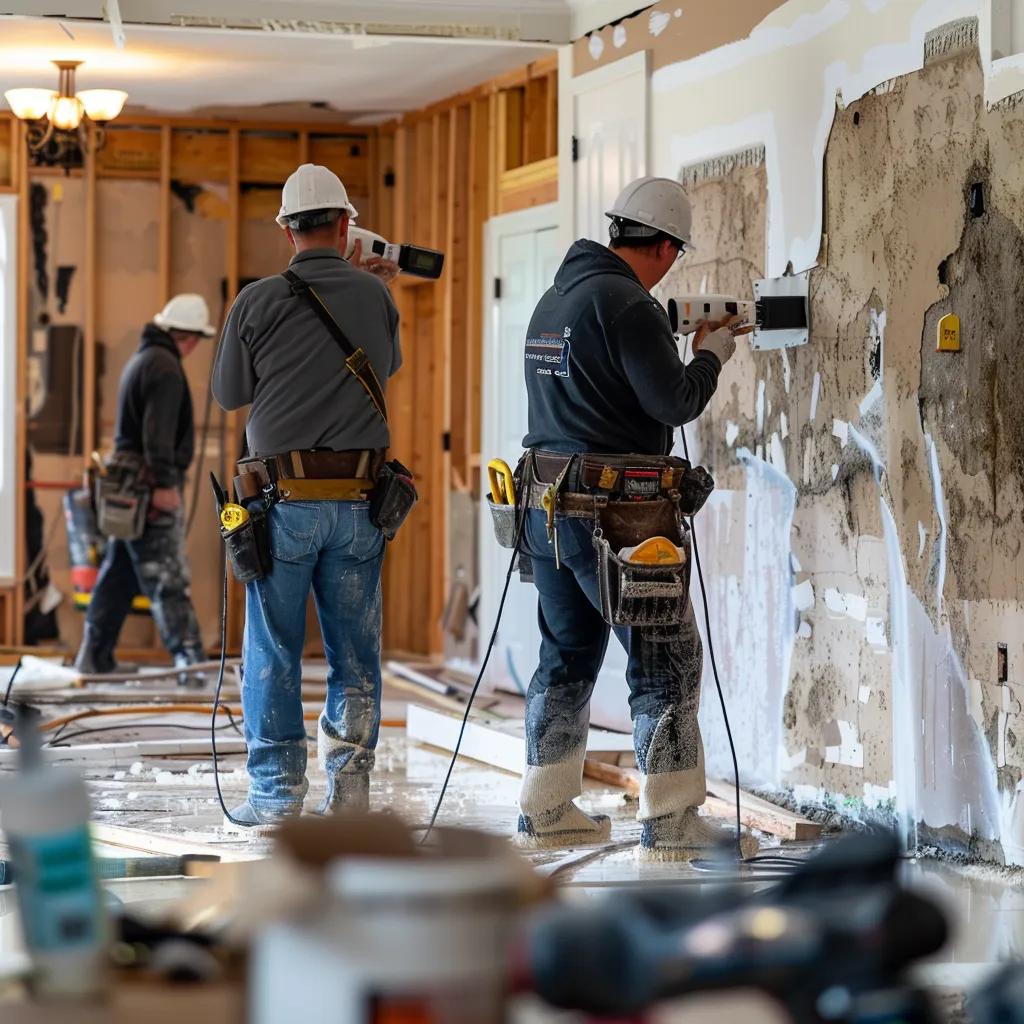
Our certified specialists begin with a thorough visual inspection of all affected rooms. But we don’t stop there. We deploy advanced moisture meters and thermal cameras to pinpoint hidden water intrusion and structural compromise that might otherwise go unnoticed. We meticulously record humidity levels, measure pore pressure in walls, and rigorously evaluate compromised building materials, all while adhering strictly to IICRC S500 guidelines. This isn’t just an inspection; it’s a forensic analysis of your property’s condition.
IICRC Standards for Water Damage Restoration: Your Assurance of Quality
The Institute of Inspection, Cleaning and Restoration Certification (IICRC) sets the gold standard for the water damage restoration industry. These aren’t just suggestions; they’re a comprehensive framework our professionals rigorously follow. These standards cover every aspect of water damage restoration, from initial assessment and urgent mitigation to meticulous reconstruction, ensuring a consistent, highly effective, and professional approach to restoring your property to its pre-loss condition.
This commitment to IICRC standards is your guarantee that our claims about professional, effective water damage restoration are backed by industry-leading expertise.
After compiling precise data on all affected zones, our expert technicians develop a tailored, strategic restoration plan. This plan meticulously sequences every step—from powerful water extraction and thorough drying to precise repairs—all based on our initial, accurate findings. This ensures targeted interventions that save you time, money, and stress.
What Advanced Tools and Technologies Are Used in Emergency Damage Assessment?
Before any restoration work even begins, our professionals deploy a sophisticated array of precision instruments. These aren’t just gadgets; they’re essential for accurate diagnosis:
- **Moisture meters:** To precisely quantify water content in wood, drywall, and concrete, leaving no damp spot undetected.
- **Infrared thermal imaging cameras:** For non-invasive, rapid leak detection, revealing hidden moisture behind walls and under floors.
- **Hygrometers and data loggers:** To continuously monitor and record relative humidity over time, ensuring optimal drying conditions.
- **Endoscopic cameras:** For crucial, concealed cavity inspections, reaching areas no human eye can see.
These cutting-edge devices generate real-time, invaluable insights into structural moisture distribution. This allows us to implement highly focused drying strategies, preventing unnecessary demolition and ensuring the most efficient path to recovery for your home.
How Does Rapid Assessment Minimize Your Property Loss?
By completing a full-site evaluation within mere hours, our experts can immediately isolate affected zones and apply urgent mitigation techniques. This rapid response is critical because it dramatically reduces secondary damage—think warped floors, crumbling drywall, or insidious microbial growth. Early detection of elevated moisture triggers targeted drying, structural shoring, and board-up services that preserve your home’s integrity and safeguard your significant investment. Swift assessment ultimately shortens restoration timelines, controls costs, and, most importantly, protects your family’s indoor air quality. It’s about stopping the damage in its tracks.
How Does Our Water Damage Restoration Process Work: From Assessment to Complete Repair?
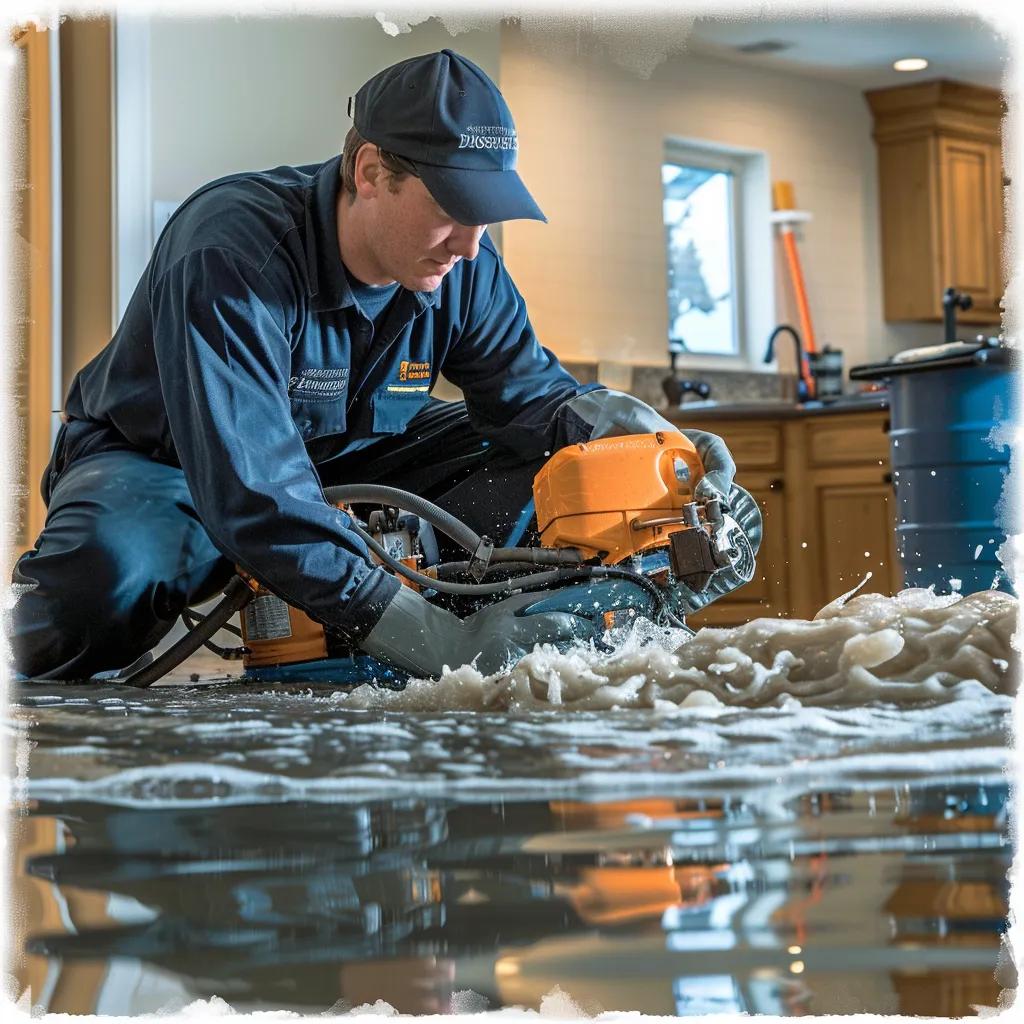
Water damage restoration isn’t just about drying; it’s a comprehensive process that integrates precise evaluation, powerful extraction, thorough drying, meticulous cleaning, and expert rebuild phases to return your home to its pre-loss condition. By rigorously following IICRC S500 standards, our technicians ensure each step—assessment, mitigation, restoration, and reconstruction—flows logically and efficiently. This systematic approach dramatically reduces downtime, prevents devastating mold infestation, and ensures a complete recovery. The continuous monitoring established during our initial assessment informs and guides every subsequent action, guaranteeing a seamless restoration journey for you.
What Are the Categories and Classes of Water Damage?
Understanding the type of water damage is crucial for effective and safe remediation. Below, we define water damage types by contamination level and absorption rate, guiding our remediation priorities to ensure the right treatment for your specific situation:
| Entity | Attribute | Value |
|---|---|---|
| Category 1 Water | Contamination Level | “Clean water” from burst pipes or rainwater; poses no immediate health threat. |
| Category 2 Water | Contamination Level | “Gray water” with limited contaminants (e.g., dishwasher overflow); may cause illness if ingested. |
| Category 3 Water | Contamination Level | “Black water” containing harmful pathogens (e.g., sewage backup); highly unsanitary and dangerous. |
| Class 1 Damage | Absorption Rate | Slowest drying; minimal absorption into materials. |
| Class 2 Damage | Absorption Rate | Significant moisture; affects structural cavities and porous materials. |
| Class 3 Damage | Absorption Rate | Fastest absorption; saturation from overhead leaks, affecting ceilings and walls. |
| Class 4 Damage | Special Drying Requirements | Low-porosity materials (e.g., concrete, hardwood); requires specialized, extended drying cycles. |
Understanding these precise classifications ensures that the right, most effective, and safest treatment methods are applied to your home, which naturally leads into the precise steps of our emergency water damage assessment.
What Are the Key Steps in Our Emergency Water Damage Assessment?
Our professionals follow a meticulous, four-phase inspection protocol designed to set your restoration in motion with maximum efficiency and accuracy:
- **Initial visual survey:** A comprehensive walkthrough of all affected structures and materials to identify immediate concerns.
- **Moisture mapping:** Utilizing advanced sensors and infrared imaging to create a precise map of moisture penetration, even in hidden areas.
- **Environmental monitoring:** Continuously tracking temperature and humidity levels to establish optimal drying conditions.
- **Detailed documentation and scope definition:** Creating a thorough report and blueprint for extraction, drying, and repair, crucial for both our team and your insurance claim.
By sequencing these critical steps, our experts create a precise restoration blueprint that informs both our immediate mitigation tactics and your essential insurance reporting, ensuring nothing is missed.
How Is Water Extraction and Structural Drying Expertly Performed?
Water extraction begins with the rapid deployment of high-capacity pumps and industrial vacuums to remove all standing water. This is followed by the strategic placement of powerful air movers and advanced dehumidifiers to tackle the remaining moisture.
- **Air movers:** These powerful units direct high-velocity airflow across wet surfaces, dramatically accelerating evaporation.
- **Refrigerant and desiccant dehumidifiers:** These specialized machines efficiently capture moisture from the air, actively reducing indoor humidity levels to below 40%, which is critical for preventing secondary damage.
This combined, powerful approach not only restores structural balance but also actively prevents warping, swelling, and other moisture-related damage, perfectly setting the stage for thorough sanitization and meticulous reconstruction.
How Do Our Professionals Prevent Mold Growth After Water Damage?
Preventing mold is paramount. Our technicians apply professional-grade antimicrobial treatments to all damp surfaces and, where necessary, inject antimicrobial gels into wall cavities to actively inhibit mold spores from germinating. We maintain controlled drying environments for 72–120 hours, ensuring relative humidity remains consistently below mold growth thresholds. Continuous moisture monitoring guarantees that no hidden pockets of moisture can reignite colonization, giving you lasting peace of mind.
What Does Reconstruction and Repair Involve After Water Damage?
The final, crucial restoration phase involves expertly replacing damaged drywall, refinishing flooring, and repairing any electrical or plumbing components, all precisely according to our initial assessment reports. Our dedicated reconstruction teams meticulously match original materials and finishes, restoring both the aesthetic continuity and the structural safety of your home. This cohesive, high-quality rebuild completes the comprehensive water damage restoration process, culminating in rigorous quality assurance tests before we proudly hand your home back to you.
What Are the Essential Steps in Fire and Smoke Damage Cleanup?
Fire and smoke damage cleanup is a complex process that demands specialized expertise. It combines meticulous assessment, thorough soot removal, advanced odor neutralization, and crucial water mitigation (often from firefighting efforts) to fully restore your home. By seamlessly integrating fire restoration standards with our proven water damage protocols, our technicians comprehensively address all interconnected damage sources, ensuring a complete and lasting recovery.
How Is Fire Damage Assessed and Categorized?
Our fire damage assessment meticulously examines charring depth, smoke penetration, and any heat-induced structural stress. We precisely classify damage into:
- **Surface charring:** Requiring light, specialized cleaning.
- **Moderate damage:** With significant soot infiltration, often needing controlled demolition and more intensive cleaning.
- **Severe damage:** Mandating a full structural rebuild due to extensive heat and smoke impact.
This precise categorization ensures that our remediation scope perfectly aligns with safety requirements and the specific rebuilding needs of your home.
What Techniques Are Used for Soot and Smoke Odor Removal?
Soot removal is a delicate process. We employ specialized dry sponges, chemical sponges, and, when necessary, media blasting to effectively lift stubborn carbon deposits from walls, fixtures, and all affected surfaces. To neutralize lingering, pervasive odors, our technicians utilize advanced thermal fogging, powerful hydroxyl generators, and ozone treatments that actively break down smoke molecules at a microscopic level. Linking these sophisticated methods ensures that absolutely no trace of combustion by-products or unpleasant odors remains as the cleanup phase concludes, leaving your home fresh and clean.
How Do Professionals Handle Post-Fire Water Damage from Firefighting Efforts?
After the flames are extinguished, the high-volume water application used by firefighters often leaves structural components saturated and at severe risk of mold growth. Our expert restoration teams immediately integrate comprehensive water extraction, thorough drying, and proactive antimicrobial protocols right after soot removal to address this critical collateral damage. This coordinated, swift remediation prevents compounded losses and efficiently readies your property for reconstruction, ensuring a holistic recovery.
How Do Our Mold Remediation Professionals Assess and Prevent Mold Growth?
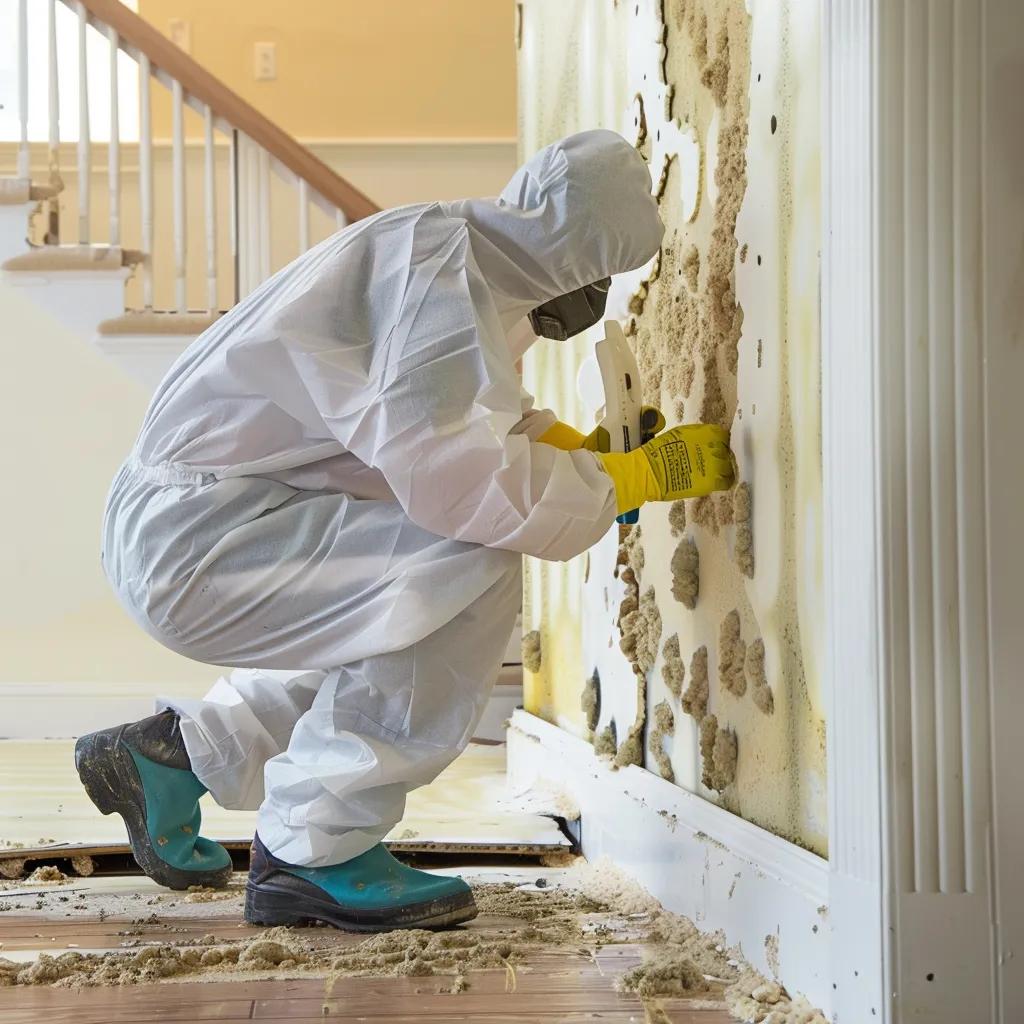
Mold remediation is about more than just cleaning; it’s about protecting your health and your home’s integrity. Our mold remediation specialists expertly identify infestation, meticulously test contamination levels, safely remove affected materials, and implement robust environmental controls to prevent any recurrence. By strictly following ANSI/IICRC S520 standards, we ensure the highest level of indoor air quality and interior health for your family.
Mold Remediation Guidelines: Our Commitment to Your Health and Safety
The ANSI/IICRC S520 standard provides a comprehensive, industry-leading guide for professional mold remediation. It covers every aspect, from initial inspection and thorough assessment to safe and effective removal techniques. This standard emphasizes the critical importance of containment, advanced air filtration, and targeted antimicrobial treatments to prevent the spread of mold spores and ensure a truly safe and healthy environment for you and your loved ones.
This citation underscores our unwavering commitment to following the most rigorous industry standards for mold remediation, ensuring your peace of mind.
What Are the Signs and Risks of Mold After Water Damage?
Visible mold colonies, persistent musty odors, and unexplained respiratory irritation are clear warning signs of microbial growth. Untreated mold isn’t just unsightly; it can severely weaken structural timbers, rapidly deteriorate finishes, and trigger serious health risks such as allergies, asthma, and other respiratory issues. Early detection through periodic, expert inspections is crucial to prevent costly remediation that often entails extensive material removal and rebuilding. Don’t wait for the problem to grow.
How Is Mold Inspection and Testing Conducted?
Our inspection teams meticulously collect surface swabs, tape lifts, and air samples to accurately measure spore concentrations in all affected zones. Laboratory analysis then precisely determines the species type and colony density, directly guiding our targeted removal strategies. This comprehensive testing ensures that all hidden growth—even behind walls or under floors—is accurately identified and addressed, leaving no room for future surprises.
What Are the Industry-Standard Mold Removal and Prevention Techniques We Use?
The following table outlines the core remediation methods we employ and their crucial preventive value, ensuring a thorough and lasting solution:
| Entity | Attribute | Value |
|---|---|---|
| Containment Barriers | Purpose | Isolates the work area to prevent the dangerous spread of mold spores to unaffected parts of your home. |
| HEPA Filtration | Air Cleaning | Utilizes High-Efficiency Particulate Air (HEPA) filters to capture 99.97% of airborne particles ≥0.3 microns, including mold spores. |
| Antimicrobial Treatments | Surface Disinfection | Neutralizes residual mold spores on both porous and non-porous materials, preventing regrowth. |
| Negative Air Machines | Pressure Control | Maintains inward airflow, effectively confining contamination within the contained work area. |
Implementing these advanced techniques actively secures your indoor environment against future mold outbreaks and seamlessly transitions into our proactive humidity control strategies, ensuring long-term protection.
How Does Humidity Control Help in Mold Prevention?
Maintaining relative humidity between 30% and 50% through precise HVAC adjustments and the strategic use of portable dehumidifiers is a critical step that actively stops mold spores from germinating. Our continuous monitoring devices trigger immediate alerts when moisture levels climb, allowing for proactive mitigation rather than reactive, costly cleanup. It’s about preventing the problem before it starts.
How Does Our 24/7 Emergency Response Support Homeowners in Damage Situations?
When disaster strikes, every moment counts. Our round-the-clock availability ensures that critical assessment and mitigation begin the instant damage occurs, dramatically reducing overall restoration time and severely limiting secondary losses. Our rapid emergency response teams are always ready to deploy nationally, fully equipped to stabilize your property at any hour, day or night. We’re here for you, 24/7.
What Makes Rapid Emergency Response Critical in Damage Restoration?
Immediate action is the cornerstone of effective damage restoration. It prevents water migration into unseen cavities, stops corrosive smoke residues from etching valuable surfaces, and curtails mold growth windows before they even begin. This urgency directly correlates with significantly lower repair costs and dramatically shorter rebuild timelines, providing homeowners with accelerated recovery and less disruption to their lives. It’s about minimizing your stress and maximizing your savings.
How Are Emergency Damage Assessment Professionals Available Around the Clock?
National Emergency Water Damage Experts maintains strategically located, on-call dispatch centers and highly trained crews to cover major regions 24/7. Our dedicated field teams receive notifications instantly and arrive promptly with all necessary diagnostic tools, ready to assess damage and initiate immediate mitigation. When you call, we respond—no matter the time, no matter the day.
What Immediate Steps Should Homeowners Take After Damage Occurs?
In the face of property damage, knowing what to do immediately can make a significant difference. Homeowners should:
- **Shut off main water or gas supply:** *Only if it is safe to do so.* This can prevent further damage or hazards.
- **Remove valuable items:** Carefully move irreplaceable items from affected zones to a safe, dry area.
- **Document visible damage:** Take clear photos and detailed notes of all visible damage for insurance purposes.
- **Call 24/7 emergency services:** Contact our expert team at nationalemergencywaterdamageexperts.com immediately. We’re ready to guide you.
How Do Emergency Board-Up and Mitigation Services Protect Your Property?
Securing openings with temporary boards or tarps is a crucial immediate step. This prevents unauthorized entry, discourages pests, and stops further water intrusion from external elements. Early structural shoring stabilizes load-bearing elements, ensuring the safety of your property and preventing further collapse until permanent repairs can be meticulously scheduled. These proactive measures are vital for protecting your investment and ensuring safety.
How Can Homeowners Navigate Insurance Claims for Emergency Damage Restoration?
Navigating complex insurance claims requires accurate damage documentation, timely claim submission, and a clear understanding of your policy provisions. Our restoration professionals are here to help. We expertly translate technical findings into clear, insurer-acceptable reports, acting as your trusted advocate throughout the entire process.
What Types of Damage Are Typically Covered by Homeowners Insurance?
Most standard homeowners insurance policies typically cover sudden and accidental water damage (such as burst pipes or toilet overflows), fire and smoke losses, and mold that arises directly from a covered peril. However, it’s crucial to note that exclusions often apply to gradual leaks and flood events, unless you have separate flood insurance specifically in place. We can help you understand these nuances.
How Do Our Professionals Assist with Insurance Documentation and Claims?
Our dedicated restoration teams compile comprehensive, detailed scope-of-loss reports, itemized cost estimates, and extensive photographic evidence that precisely align with insurance adjuster requirements. By providing clear, IICRC-compliant documentation, we streamline claim approvals, minimize delays, and expedite payment for necessary repairs. We work directly with your insurer to make the process as smooth as possible for you.
What Information Should Homeowners Provide to Insurance Adjusters?
To accelerate adjuster evaluations and funding, homeowners should be prepared to share the following crucial information:
- **Date and precise cause of damage:** Be as specific as possible.
- **Inspection reports:** Including moisture readings and damage categories provided by our team.
- **Before-and-after photos and video walkthroughs:** Visual evidence is incredibly powerful.
- **Receipts for emergency mitigation services:** Document any immediate steps taken.
The completeness and accuracy of this information are key to a swift and successful claim process.
How Does Understanding Insurance Policies Affect Restoration Decisions?
A clear awareness of your coverage limits, deductibles, and any policy exclusions is vital. This knowledge directly informs the restoration scope, ensuring homeowners avoid unexpected out-of-pocket surprises. Furthermore, understanding claim timelines helps us strategically schedule work phases to perfectly align with insurer approvals and inspections, ensuring a seamless and financially sound restoration journey for you.
Why Choose National Emergency Water Damage Experts for Your Emergency Damage Assessment Needs?
Selecting the right restoration partner is a critical decision. It involves evaluating credentials, responsiveness, technology, and, most importantly, customer satisfaction. At National Emergency Water Damage Experts, we seamlessly blend certified expertise with unwavering 24/7 availability to deliver truly exceptional and stress-free recovery experiences for every homeowner.
What Certifications and Standards Do Our Professionals Follow?
Our highly trained technicians don’t just meet standards; they exceed them. We rigorously adhere to ANSI/IICRC S500 and S520 standards for water damage restoration and mold remediation, respectively. Our commitment to continuous education and maintaining IICRC certifications reflects our unwavering dedication to implementing the absolute best practices and ensuring unparalleled quality assurance in every project we undertake.
How Does Our 24/7 Availability Benefit Homeowners in Emergencies?
Our around-the-clock dispatch system ensures there are absolutely no delays between the incident and our immediate intervention. This means immediate mobilization of our expert assessment teams, which critically limits damage progression and dramatically reduces total restoration time and cost for you. When you need us most, we’re there—fast.
What Advanced Equipment and Techniques Do We Use?
We invest in the best because you deserve the best. We deploy state-of-the-art infrared thermal imaging, precise data-logging hygrometers, high-efficiency air movers, and specialized antimicrobial fogging systems. These cutting-edge technologies provide the most accurate diagnostics and ensure the most efficient, thorough remediation, leading to lasting, reliable results for your home.
What Do Our Customers Say?
Our homeowners consistently praise our rapid response, clear, empathetic communication, and meticulous cleanup. Reports of minimized repair expenses and beautifully restored property values underscore the deep trust placed in our dedicated professionals. Your satisfaction is our ultimate measure of success, and our customer testimonials speak volumes about the peace of mind we deliver.
Emergency damage assessment professionals deliver the precision and urgency you desperately need following water, fire, or smoke incidents. We understand the stress, and we’re here to help.
With certified teams, advanced diagnostics, and 24/7 mobilization, National Emergency Water Damage Experts ensures your home recovers safely, swiftly, and completely.
Don’t wait. Contact us any time at nationalemergencywaterdamageexperts.com to begin your restoration journey and reclaim your peace of mind.