Expert Tips for Effective Commercial Water Damage Cleanup
https://nationalemergencywaterdamageexperts.com/https://nationalemergencywaterdamageexperts.com/https://nationalemergencywaterdamageexperts.com/https://nationalemergencywaterdamageexperts.com/Commercial Water Damage Cleanup: What Homeowners Need to Know for Effective Restoration
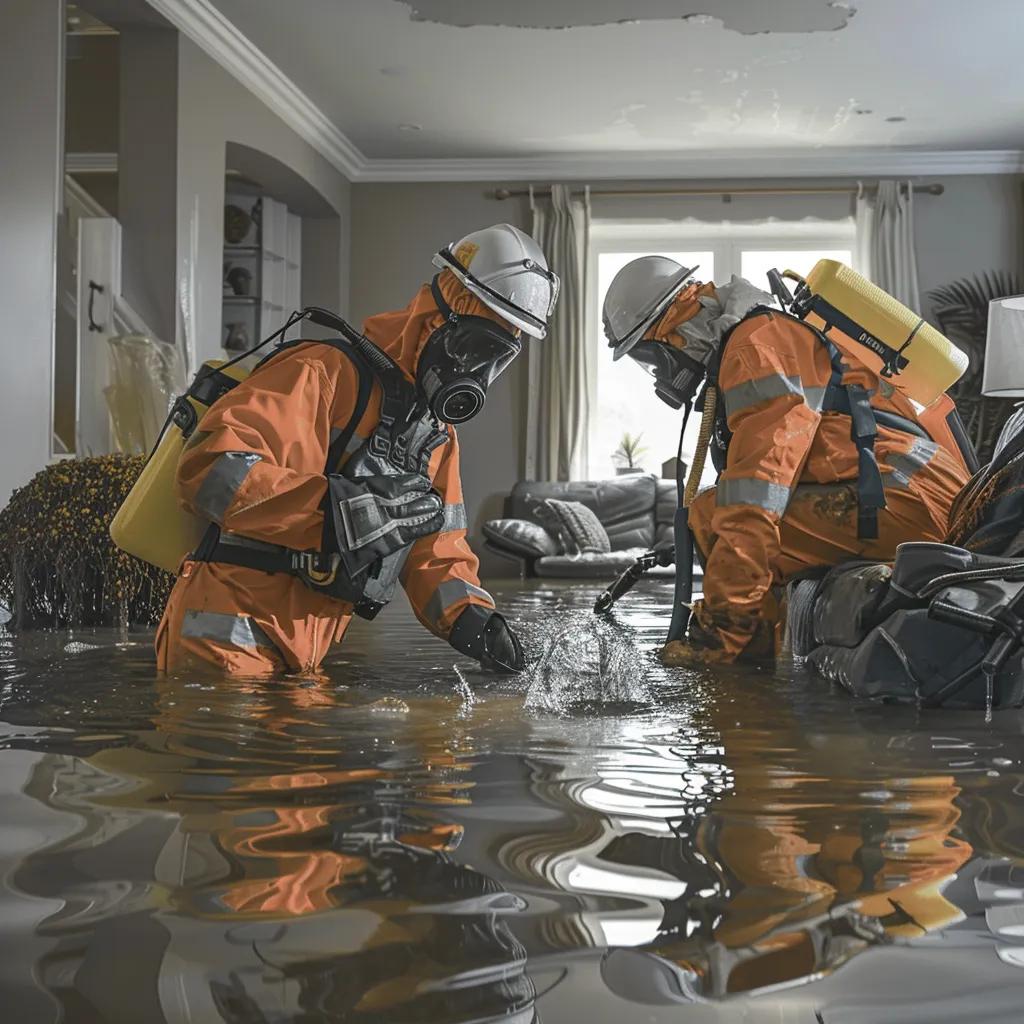
When disaster strikes your home, whether it’s a burst pipe, severe flooding, or a sewage backup, the damage can be overwhelming. This isn’t just about wet floors; it’s about structural integrity, hidden mold risks, and the health of your family. That’s where commercial water damage cleanup comes in. It’s a specialized, professional-grade solution designed to restore residential properties with advanced equipment and certified technicians, minimizing structural loss and preventing dangerous mold proliferation.
Homeowners facing standing water or even hidden moisture pockets risk tens of thousands in damages and serious health hazards. Prompt intervention by a 24/7 emergency restoration team like National Emergency Water Damage Experts is crucial to limit downtime, safeguard your investment, and restore your peace of mind. In this essential guide, you’ll discover:
- What commercial water damage cleanup truly means and when your home absolutely needs it.
- The most common culprits behind large-scale residential water damage.
- A clear, step-by-step overview of our professionalrestoration process.
- How our fire, smoke, and mold services seamlessly integrate with water remediation for a complete solution.
- Expert strategies for navigating complex homeowner insurance claims.
- Why National Emergency Water Damage Experts consistently delivers superior, lasting results.
- Answers to your most pressing homeowner concerns regarding cost, timing, and prevention.
Don’t wait for the damage to worsen. Call us anytime at (555) 123-4567 for an immediate assessment and fast, professional cleanup that protects your home and your family.
Commercial-Grade Water Damage Cleanup: Essential Tips for Homeowners
Commercial water damage cleanup isn’t just a service; it’s a comprehensive restoration strategy. It employs industrial-strength extraction, advanced drying, and rigorous sanitization protocols to fully remediate homes overwhelmed by flooding or severe moisture. By leveraging high-capacity pumps, cutting-edge structural drying systems, and IICRC-certified technicians, this meticulous process actively halts mold growth, prevents structural weakening, and restores pristine indoor air quality. These are critical benefits that protect both your family’s health and your property’s long-term value. For homeowners, the result is a significantly faster return to normal living conditions, minimized repair bills, and reduced complications with insurance claims.
What Types of Water Damage Affect Residential Properties?
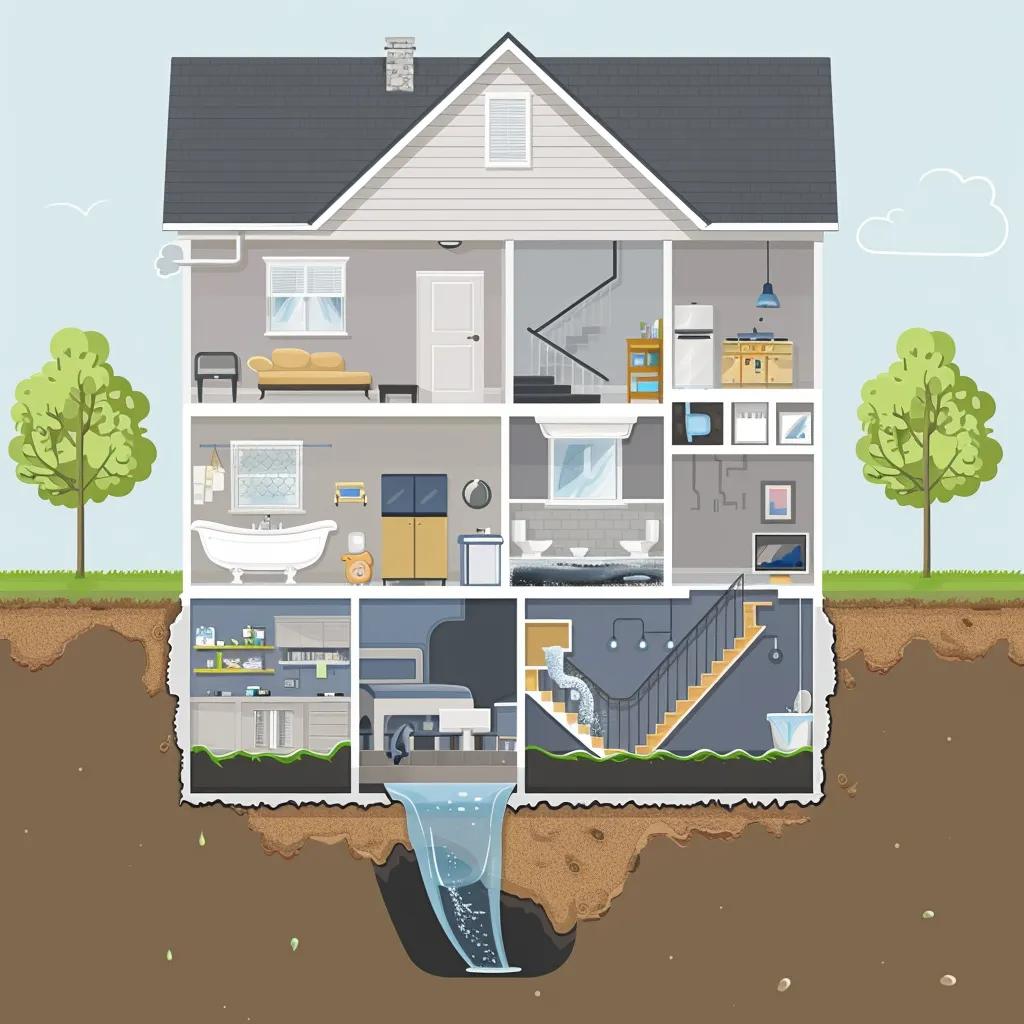
Water damage in homes is precisely classified into three main categories—clean water, gray water, and black water. Each category is defined by its contamination level and associated health risks, which in turn dictate the specific cleanup protocols and safety measures required for effective restoration.
| Water Damage Type | Category | Health & Structural Risks |
|---|---|---|
| Clean Water | Category 1 | Low microbial risk; ideal for prompt removal |
| Gray Water | Category 2 | Moderate contamination from appliances; requires disinfection |
| Black Water | Category 3 | High microbial and toxin levels from sewage; needs full protective gear |
Understanding these distinctions is vital. Each classification guides our restoration experts in selecting the appropriate Personal Protective Equipment (PPE), disinfectants, and disposal methods. This knowledge empowers homeowners with accurate estimates and ensures safe, effective cleanup procedures.
This industry-leading standard provides a robust framework for understanding and addressing the different types of water damage, ensuring appropriate safety measures and cleanup procedures are meticulously followed.
When Does Water Damage Require Commercial-Grade Cleanup?
Your home’s water damage demands a commercial-grade response when the affected area exceeds 100 square feet, involves contaminated sources like sewage or floodwater, or when moisture has penetrated deep into structural cavities such as walls and subflooring. Homes with extensive flooding, insidious slow leaks behind drywall, or prolonged standing water are at an alarmingly high risk of hidden mold growth and severe wood rot. Engaging a professional team ensures rapid containment, thorough moisture mapping, and strict compliance with industry standards—preventing costly secondary damage that DIY methods simply cannot address.
How Do Commercial-Grade Equipment and Certified Technicians Benefit Home Restoration?
Our commercial-grade equipment—including industrial dehumidifiers, high-volume air movers, precision moisture meters, and thermal imaging cameras—accelerates drying, detects even hidden moisture pockets, and restores humidity levels to safe ranges far faster and more effectively than consumer equipment. Our IICRC-certified technicians apply proven protocols from the S500 Standard for Professional Water Damage Restoration, ensuring every single step—from initial extraction to the final inspection—meets rigorous quality benchmarks. This powerful combination of expertise and cutting-edge technology translates directly into reduced microbial growth, fewer structural repairs, and clear, comprehensive documentation for insurance purposes, giving you complete peace of mind.
What Are the Most Common Causes of Commercial-Level Water Damage in Homes?
Identifying the primary sources of large-scale residential water damage is the first step for homeowners to take preventive action and recognize precisely when a commercial-grade cleanup is warranted. Burst pipes, appliance failures, roof leaks, severe storms, and sewage backups consistently rank among the most frequent and devastating culprits.
How Do Burst Pipes and Appliance Leaks Lead to Severe Water Damage?
A sudden pipe rupture or a hidden, insidious leak from common appliances like washing machines and water heaters can unleash hundreds of gallons of water into your home within mere hours. High water pressure propels moisture deep into drywall, insulation, and subflooring, creating ideal, unseen conditions for rapid mold growth and destructive wood decay. While regular maintenance of plumbing lines and immediate shutoff at the main valve can limit initial damage, commercial extraction and drying are absolutely essential once water infiltrates structural components, as DIY efforts will fall short.
What Role Do Storms, Roof Leaks, and Sewage Backups Play in Water Damage?
Heavy rainfall and roof failures allow external water intrusion that often carries not only debris but also dangerous microbial contaminants, significantly compounding cleanup complexity. Sewage backups introduce highly toxic black water, teeming with pathogens, demanding full protective measures and strictly controlled disposal. Proactive preventive steps include regular roof inspections, ensuring gutters are meticulously clear, installing backflow valves, and verifying sump pump operation. However, when natural disasters or system failures overwhelm your home’s defenses, professional mitigation is the only way to halt further contamination and prevent catastrophic structural compromise.
How Can Homeowners Identify Early Signs of Water Damage?
Vigilant homeowners should watch for subtle yet critical signs: persistent musty odors, warped flooring, unexplained discoloration on walls or ceilings, elevated indoor humidity, and sudden spikes in utility bills. Moisture meters and infrared cameras—the very tools used by our restoration specialists—can reveal hidden leaks lurking behind finishes, long before they become visible. Early detection allows for targeted drying and prevents the extensive mold remediation and costly structural repairs that inevitably follow advanced, unchecked water intrusion.
What Are the Step-by-Step Processes in Commercial Water Damage Restoration for Homes?
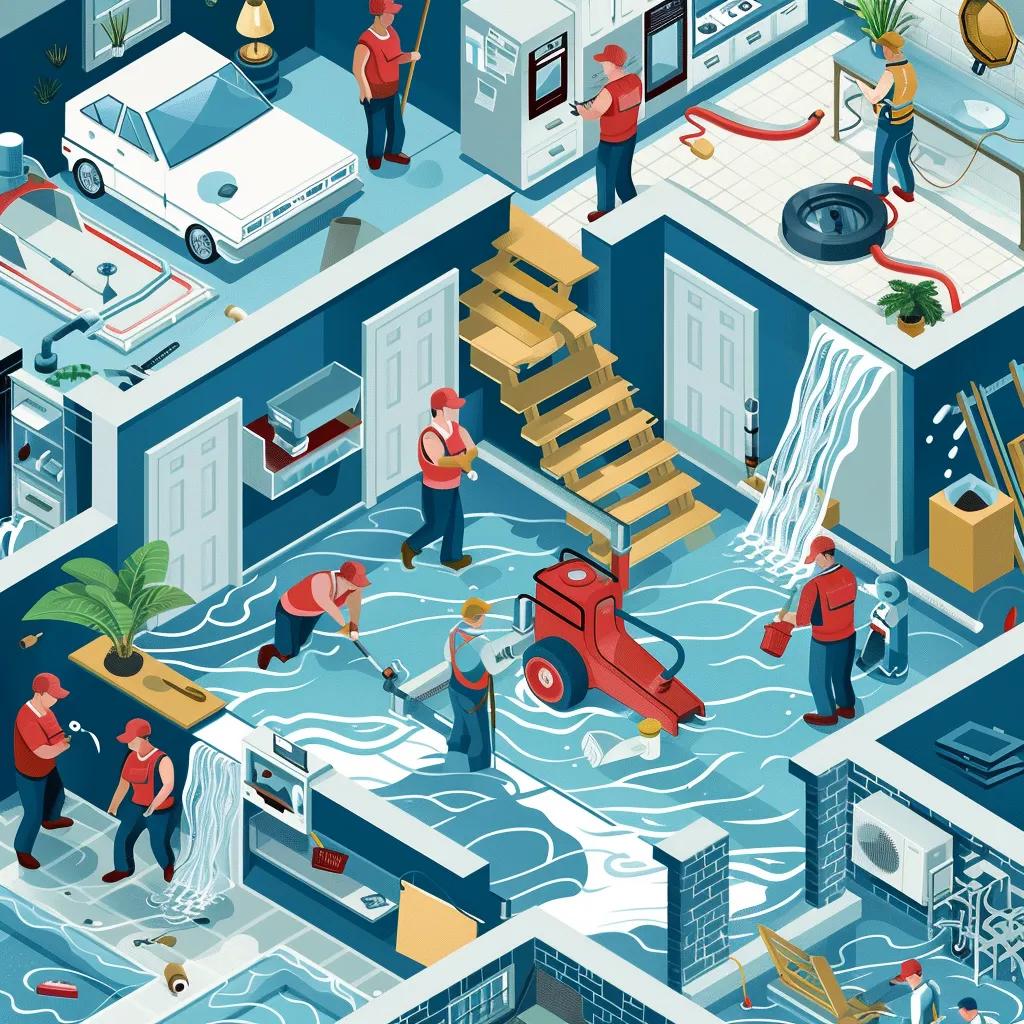
At National Emergency Water Damage Experts, we follow a meticulously standardized workflow. This ensures every critical phase—from emergency response and extraction to drying, cleaning, and final repair—is executed with unparalleled precision, restoring your home safely, efficiently, and completely.
How Does 24/7 Emergency Contact and Initial Damage Assessment Work?
When you call our hotline, you receive immediate dispatch of our highly trained technicians, fully equipped for rapid on-site evaluation. Within minutes of arrival, a certified inspector conducts comprehensive moisture mapping, accurately categorizes the water type, and precisely defines the affected area’s class and severity. This structured, immediate assessment informs a tailored action plan, a transparent cost estimate, and a clear timeline that homeowners can review and approve before any cleanup work even begins. Your peace of mind starts with our rapid response.
What Techniques Are Used for Water Extraction and Removal?
Our water extraction process employs high-capacity submersible pumps and powerful truck-mounted vacuum units to remove hundreds of gallons of water quickly and efficiently. Portable extractors with weighted wands meticulously target trapped liquids in carpets and pads, while specialized moisture meters confirm complete removal, leaving no hidden moisture behind.
- Rapidly deploy submersible pumps for all standing water.
- Utilize powerful truck-mounted vacuums for submerged carpeting and large areas.
- Extract residual moisture from all surfaces with precision portable wands.
- Verify absolute dryness with advanced moisture meters.
By sequencing these advanced extraction methods, our technicians dramatically reduce overall drying times and significantly limit the potential for dangerous fungal growth.
How Is Drying and Dehumidification Performed to Prevent Mold?
Our advanced structural drying relies on industrial-grade air movers, powerful low-grain refrigerant dehumidifiers, and strategic negative-pressure containment systems. Technicians meticulously configure airflow patterns to pull moisture from deep within walls and floors, calibrating equipment based on real-time psychrometric readings. Continuous, vigilant monitoring ensures humidity levels consistently fall below 45%—a critical threshold for halting mold germination and promoting complete structural integrity. This scientific approach ensures thorough dehumidification, significantly reducing the scope of future repairs and preventing costly secondary damage.
| Equipment | Function | Benefit |
|---|---|---|
| Industrial Air Mover | Circulates air at high velocity | Speeds evaporation from surfaces, accelerating drying |
| Refrigerant Dehumidifier | Removes airborne moisture | Maintains optimal humidity for efficient, thorough drying |
| Moisture Meter | Measures water content in materials | Confirms absolute dryness and process efficacy |
What Are the Cleaning, Sanitizing, and Deodorization Steps?
Once your property is thoroughly dry, our technicians apply EPA-registered disinfectants and powerful antimicrobial treatments to all surfaces exposed to gray or black water. HEPA-filtered air scrubbers meticulously remove airborne particulates and odors, while advanced odor-counteractant fogging neutralizes odors at the molecular level, ensuring they don’t just mask, but truly disappear. This comprehensive, multi-step sanitization process ensures your living spaces are completely safe and healthy for your family, pets, and cherished belongings.
How Is Damage Repair and Final Inspection Completed?
Our certified carpenters and trusted trade partners meticulously replace damaged drywall, insulation, and flooring, restoring your home to its original condition or even better. After reconstruction, a thorough final walk-through with you, the homeowner, verifies that all structural repairs meet both aesthetic and stringent safety standards. Detailed documentation, including precise before-and-after moisture readings, supports your insurance claims and provides you with long-term peace of mind, knowing your home is truly restored.
How Does Commercial Water Damage Cleanup Address Related Fire, Smoke, and Mold Damage?
As a holistic restoration provider, National Emergency Water Damage Experts seamlessly integrates water remediation with comprehensive fire, smoke, and mold services. This delivers a single-source solution that dramatically streamlines project management and accelerates your property’s full recovery, no matter the complexity of the damage.
What Fire Damage Restoration Services Are Available for Homeowners?
Fire damage restoration is a complex process that begins with the meticulous removal of soot and char using advanced techniques like dry-ice blasting and soda blasting. This is followed by precise structural repairs and expert surface refinishing. Our highly skilled technicians stabilize any compromised supports and replace all smoke-damaged materials, restoring both the safety and the visual appeal of your home to its pre-loss condition.
How Is Smoke and Soot Cleanup Managed in Residential Properties?
Smoke particles are insidious; they embed deeply in fabrics, permeate HVAC systems, and cling to porous materials, creating lingering odors and discoloration. Our technicians employ specialized dry cleaning sponges, advanced ultrasonic cleaning tanks, and powerful ozone or hydroxyl generators to extract these stubborn odors and residues without causing further harm to your surfaces. This comprehensive, multi-faceted approach ensures the complete elimination of lingering smoke odors and prevents unsightly discoloration of your furniture and fixtures.
What Are the Professional Mold Remediation Processes After Water Damage?
When moisture persists for longer than 48 hours, dangerous mold colonization can rapidly occur. Our certified mold remediation strictly follows the rigorous IICRC S520 standard: establishing containment barriers, creating negative-pressure enclosures, performing meticulous HEPA vacuuming, and applying targeted antifungal treatments. Crucially, post-remediation clearance testing confirms that spore counts are well within safe ranges before reoccupancy, guaranteeing a healthy environment for your family.
How Can Homeowners Navigate Insurance Claims for Commercial Water Damage Cleanup?
Successfully filing a homeowner’s water damage claim requires accurate documentation, a nuanced understanding of policy intricacies, and coordinated communication with adjusters. These are precisely the areas where a professional restoration company like National Emergency Water Damage Experts can provide invaluable support, easing your burden during a stressful time.
What Does a Typical Homeowner’s Water Damage Insurance Policy Cover?
Most standard homeowner’s insurance policies typically cover sudden and accidental water damage stemming from plumbing bursts, appliance overflows, and firefighting efforts. However, it’s crucial to understand that they often exclude flood events, gradual leaks, or damage resulting from maintenance neglect. Understanding these critical coverage distinctions helps homeowners set realistic expectations for reimbursements and avoid unwelcome surprises.
This vital information empowers homeowners to understand the precise scope of their insurance coverage and what to expect when filing a claim for water damage, ensuring a smoother process.
How Should Homeowners Document Damage for Insurance Claims?
To strengthen your insurance claim, homeowners should meticulously photograph all affected areas, record detailed video walkthroughs, and diligently keep receipts for any emergency mitigation steps taken. A professional restoration report from National Emergency Water Damage Experts—detailing precise moisture readings, contamination levels, and comprehensive equipment logs—serves as authoritative, undeniable evidence to significantly speed up your claim approval process.
What Are Best Practices for Working with Insurance Adjusters?
Promptly notify your insurer, provide comprehensive documentation, and always request a joint inspection. Having our certified estimator present during this inspection is a significant advantage; it ensures that all technical details are accurately conveyed to the adjuster, significantly reducing potential disputes over the scope of work or pricing. We advocate for you.
How Does Commercial Water Damage Cleanup Support the Insurance Claim Process?
By delivering detailed scope-of-work reports, precise moisture mapping data, and transparent line-item cost breakdowns, our expert team effectively bridges any gaps between complex policy language and the actual restoration requirements. This invaluable support helps homeowners maximize their claim settlements and significantly minimize out-of-pocket expenses, allowing you to focus on recovery, not paperwork.
Why Choose National Emergency Water Damage Experts for Commercial-Grade Residential Cleanup?
National Emergency Water Damage Experts stands apart. We combine unwavering 24/7 availability, industry-leading certifications, state-of-the-art equipment, and a dedicated local focus to deliver unmatched residential restoration services precisely when homeowners need them most. We are your trusted partner in crisis.
How Does 24/7 Emergency Response Benefit Homeowners?
Our around-the-clock dispatch ensures our expert team arrives at your property within hours of your notification. This immediate response is absolutely crucial for preventing devastating secondary damage, halting rapid mold growth, and avoiding skyrocketing repair costs. Our commitment to immediate action demonstrates our unwavering dedication to protecting your family and your property at any hour, day or night.
What Certifications and Expertise Do Our Technicians Hold?
Our team comprises highly skilled, IICRC-certified Water Damage Restoration Technicians (WRT) and Applied Structural Drying (ASD) specialists. They rigorously adhere to the latest S500 and S520 standards, ensuring every procedure, from initial assessment to final inspection, meets the most stringent quality benchmarks. This specialized training guarantees not only superior results but also documented compliance at every stage of your restoration.
What Advanced Equipment Is Used in Residential Water Damage Restoration?
We deploy an arsenal of commercial-grade equipment typically reserved for large-scale projects: powerful truck-mounted extractors, advanced structural drying systems, precision moisture meters, thermal imaging cameras to detect hidden moisture, HEPA air scrubbers, and ozone generators. This superior technology delivers faster, more thorough, and ultimately more effective results in your home than standard residential equipment ever could.
How Does Our Local Service Focus Improve Customer Experience?
As a deeply rooted, community-based provider, we maintain local inventory, ensure lightning-fast mobilization, and cultivate personal relationships with homeowners, adjusters, and subcontractors. This local focus ensures transparent communication, timely updates, and trusted craftsmanship on every single restoration project, providing you with a seamless and reassuring customer experience.
What Are the Most Frequently Asked Questions About Commercial Water Damage Cleanup for Homes?
Homeowners often have critical questions about costs, timelines, mold coverage, immediate emergency steps, and future prevention. These are vital topics that shape restoration decisions and preparedness, and we’re here to provide clear answers.
How Much Does Commercial Water Damage Cleanup Cost for Residential Properties?
Cleanup costs vary significantly based on the water type, the total affected area, and the class of damage. Typically, costs can range from $1,000 for minor Category 1 incidents to over $20,000 for extensive Category 3 flooding. The most accurate estimate tailored to your home’s specific conditions can only be provided through a thorough on-site evaluation by our experts.
How Long Does the Restoration Process Typically Take?
Most residential water damage projects are completed efficiently within 3–7 days, though this timeline can vary depending on the specific drying requirements, contamination levels, and the scope of necessary repairs. Rapid extraction and drying techniques can significantly reduce timelines, while extensive structural rebuilds or complex mold remediation may extend the process slightly.
Is Mold Remediation Included in Commercial Water Damage Services?
Absolutely. Professional water damage cleanup from National Emergency Water Damage Experts integrates proactive mold remediation steps—such as targeted antimicrobial treatments and meticulous HEPA vacuuming—whenever moisture intrusion exceeds 48 hours or contamination risks arise. This ensures a comprehensive, single-call solution that addresses all aspects of your home’s recovery.
What Should Homeowners Do Immediately After Water Damage Occurs?
Your immediate safety is paramount. First, ensure safety by cutting off electricity to affected areas and shutting off the main water supply. Then, without delay, call our 24/7 emergency hotline for immediate professional assistance. Taking prompt action prevents hidden moisture from spreading, halts dangerous mold growth, and mitigates severe structural deterioration.
How Can Homeowners Prevent Future Water Damage?
Proactive, routine maintenance is your best defense. Regularly inspect roof shingles, test sump pumps, replace aging pipes before they fail, and keep gutters meticulously clear to minimize risk. Installing smart leak-detection sensors and backflow valves provides crucial early warnings that can avert large-scale water intrusion, saving you significant stress and expense.
Don’t let water damage overwhelm you. Call National Emergency Water Damage Experts anytime at (555) 123-4567 for rapid, commercial-grade cleanup that protects your home and your family, restoring your peace of mind.
Residential water damage cleanup, when handled by true experts, combines precision assessment, advanced equipment, and certified expertise to resolve flooding, mold, fire, and smoke challenges seamlessly under one roof. By choosing a local, 24/7 emergency provider with commercial-grade capabilities, homeowners gain faster recovery, lower restoration costs, and a safer, healthier living environment—empowering families to move forward with confidence and security.