
How Depreciation Affects Your Water Damage Insurance Claim
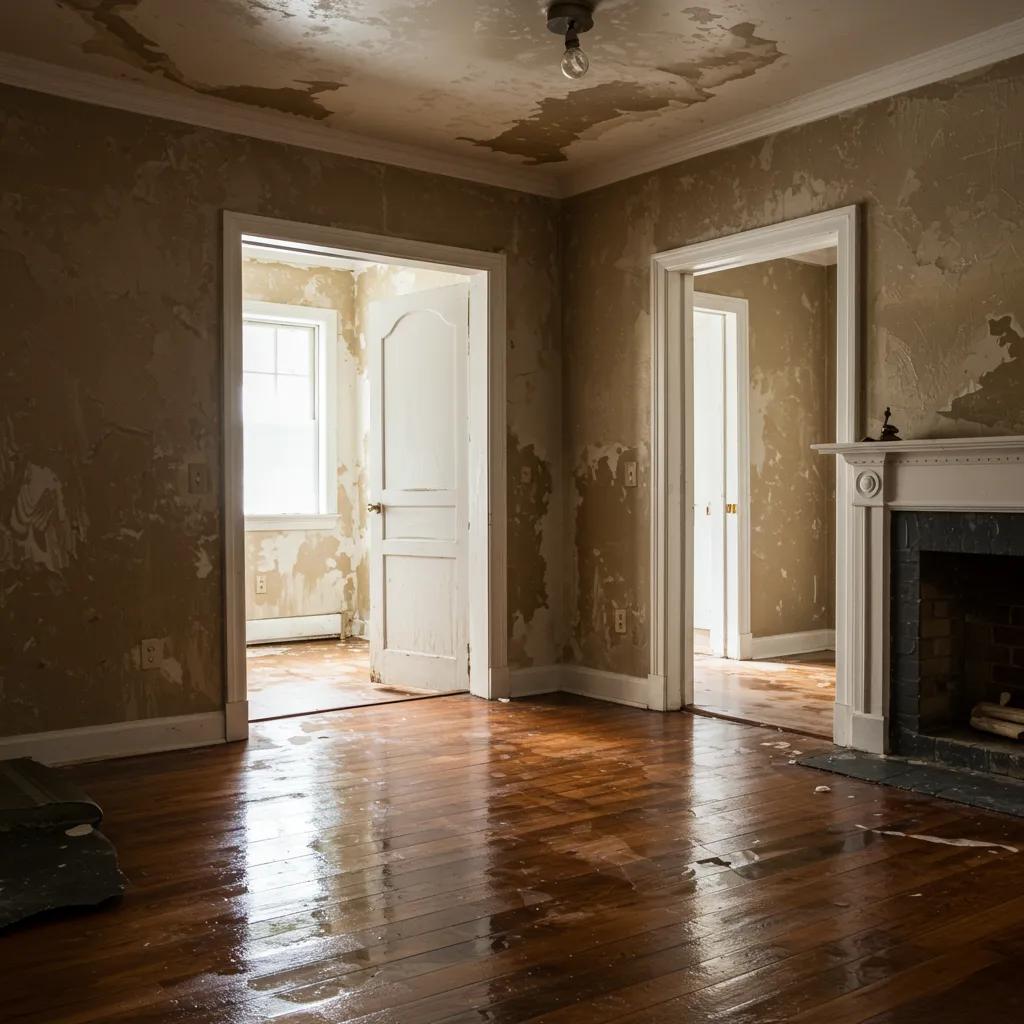
Navigating Depreciation in Water Damage Claims: How It Impacts Your Insurance Payout
When water breaches your walls, floors, or ceilings, every saturated item loses value through depreciation—a calculation insurers use to diminish your settlement. Understanding how depreciation affects water damage insurance claims empowers property owners to secure fair compensation and enlist professional restoration services when it counts. This guide breaks down what depreciation means, contrasts Actual Cash Value (ACV) with Replacement Cost Value (RCV), explains insurer calculation methods, explores recoverable depreciation, details how to challenge unfair assessments, offers strategies to boost your claim, and highlights specific considerations for commercial properties. Armed with this knowledge and backed by the rapid-response expertise of National Emergency Water Damage Experts, you’ll confidently manage your claim and ensure you receive everything you’re entitled to.
What Exactly Is Depreciation in Water Damage Insurance Claims?
Depreciation in water damage insurance claims refers to the decrease in value of damaged items due to their age, wear and tear, or obsolescence at the time of the loss. Insurers apply depreciation to calculate the Actual Cash Value, subtracting it from the Replacement Cost to determine your initial payout.
Depreciation accounts for three primary factors:
- Age: The item’s age, measured against its expected service life.
- Wear and tear: Normal usage over time.
- Obsolescence: When newer models or materials make the damaged item outdated.
Knowing how insurers evaluate these elements helps property owners contest low valuations and plan restoration with realistic cost expectations. Understanding depreciation is key to maximizing your settlement, regardless of your policy type.
How Does Depreciation Affect Your Water Damage Claim?
Depreciation directly shrinks your insurance payout by deducting an estimated loss in value from the cost to replace water-damaged items. When you file a claim, your insurer first determines the Replacement Cost, then subtracts depreciation to arrive at the Actual Cash Value.
This process can significantly reduce your settlement for items like flooring or kitchen cabinets. Recognizing this impact early allows you to gather supporting evidence—such as purchase receipts and maintenance records—to minimize depreciation’s effect and build a stronger case for recoverable depreciation under RCV policies.
What Factors Influence How Depreciation Is Calculated?
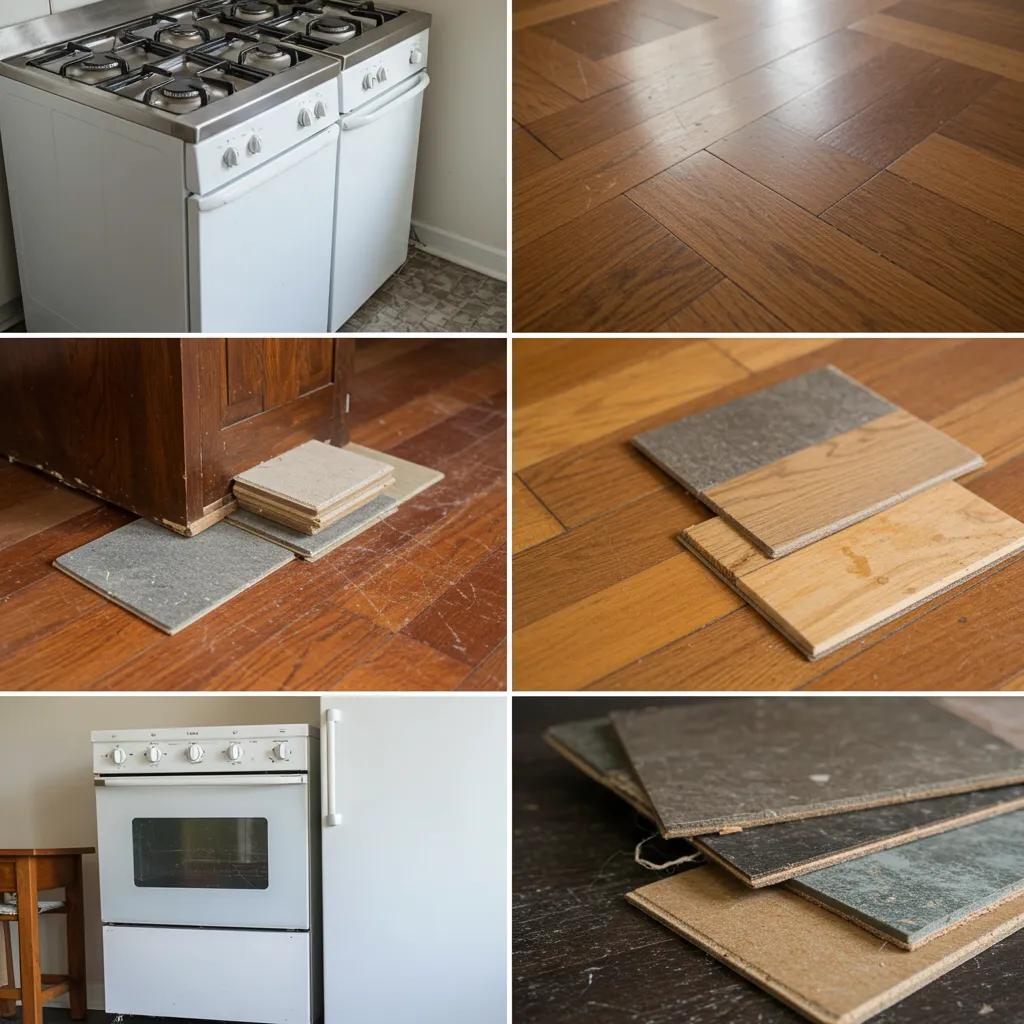
Insurers calculate depreciation by assessing:
- Useful life: The standard expected lifespan for each type of asset.
- Current condition: An evaluation of wear, damage, or maintenance history.
- Original quality: The brand, material, and installation quality at the time of purchase.
- Age: The time elapsed since installation or acquisition.
- Obsolescence: Market shifts that diminish the value of older designs.
These factors are combined using methods like straight-line depreciation. Understanding which attributes carry the most weight helps you present compelling evidence of your property’s condition and quality to your adjuster.
Why Is It Crucial for Property Owners to Understand Depreciation?
Understanding depreciation empowers property owners to:
- Prepare documentation that effectively counters excessive value reductions.
- Choose the right policy (ACV vs. RCV) to ensure optimal payouts.
- Engage professional advocates before disputes escalate.
- Plan restorations that align with insurer recovery processes.
Awareness of how depreciation works prevents unwelcome surprises when you review your settlement and positions you to claim recoverable depreciation or contest unfair assessments with solid documentation and expert backing.
What's the Difference Between Actual Cash Value (ACV) and Replacement Cost Value (RCV) in Water Damage Claims?
Actual Cash Value and Replacement Cost Value are two distinct valuation methods that dictate your insurer’s payout following water damage.
Here’s a comparison of their key characteristics:
| Valuation Method | Depreciation Deduction | Payout Timing | Benefit |
|---|---|---|---|
| Actual Cash Value (ACV) | Yes | Single payment upon claim approval | Lower premiums |
| Replacement Cost Value (RCV) | No initial deduction | Two-stage payment: ACV first, then the balance | Full replacement funds after repairs |
The distinction between Actual Cash Value (ACV) and Replacement Cost Value (RCV) is fundamental to understanding how insurance payouts are calculated after water damage, with ACV reflecting current market value and RCV aiming for full restoration.
Actual Cash Value versus Replacement Cost in Insurance Payouts
… since both replacement insurance and valued policy laws are frequently used to affect “actual cash value”, we … Replacement cost insurance, when used at all, changes the effect of the …The Meaning of Actual Cash Value, Unknown Author, 1967
How Is Actual Cash Value (ACV) Calculated for Water-Damaged Property?
Actual Cash Value is calculated as Replacement Cost minus depreciation. Insurers determine the cost to replace the item with new materials, then calculate a depreciation amount based on the item’s age, condition, and useful life. Subtracting depreciation gives you your ACV payment.
For instance, a ten-year-old boiler with a twenty-year useful life would have 50 percent depreciation. If the replacement cost is £2,000, the depreciation is £1,000, and the ACV payout would be £1,000. Understanding this calculation helps you anticipate cash flow needs and plan for any necessary additional funds or financing.
What Does Replacement Cost Value (RCV) Cover in Water Damage Insurance?
Replacement Cost Value covers the full expense to repair or replace water-damaged items with new equivalents of similar quality and type, without an initial deduction for depreciation. Under RCV:
- You receive an initial payment equivalent to the ACV.
- After submitting receipts for completed repairs, you can claim the recoverable depreciation as a second payment.
RCV ensures you have adequate resources for high-quality restoration without the delay caused by aging factors reducing your payment.
How Do ACV and RCV Affect Your Insurance Settlement?
ACV and RCV impact your settlement in three primary ways:
- Payment amount: RCV generally results in higher overall funds after depreciation is recovered.
- Timing: ACV is paid in a single installment, while RCV requires proof of repair for the second payment.
- Premium cost: RCV coverage typically has slightly higher premiums but guarantees replacement at full value.
Balancing premium costs with restoration needs is key to selecting the right policy, and understanding these effects helps you negotiate coverage levels effectively upfront.
Can You Choose Between ACV and RCV Coverage?
Yes, policyholders often have the option to choose between ACV and RCV coverage when purchasing or renewing their insurance. Key factors to consider include:
- Your budget for insurance premiums.
- The age and value of the insured assets.
- Whether full-quality replacements are a priority over budget constraints.
Discussing these options with your insurer or a qualified broker ensures you select coverage that minimizes your out-of-pocket expenses during a water damage restoration.
How Do Insurance Companies Calculate Depreciation for Water Damage Claims?
Insurers use standard depreciation methods to determine value reductions for water-damaged property. While these calculations promote consistency, they can lead to disputes when assessments of an item’s condition differ.
The straight-line depreciation method is a common approach insurers use to systematically reduce an asset’s value over its lifespan.
Methods of Depreciation in Claims for Damages: Straight-Line versus ‘New for Old’
Furthermore, the Fifth Circuit’s ruling indicates that the ‘new for old’ principle and straight-line depreciation methods are flawed when seeking properly allocated damages in…A Bridge over Troubled Waters: Straight Line Depreciation vs. New for Old Rule, Unknown Author, 2019
What Is the Straight-Line Depreciation Method?
Straight-line depreciation allocates the cost of an asset evenly across its useful life. To calculate it:
- Determine the Replacement Cost.
- Divide the Replacement Cost by the expected useful life (in years).
- Multiply the annual depreciation by the asset’s age.
This straightforward formula provides a clear depreciation figure but may undervalue items that have been well-maintained. Highlighting exceptional condition can help reduce straight-line deductions in your favor.
How Is the Useful Life of Property Determined?
Useful life is the period an insurer considers an asset to be functional under normal use. Industry standards and manufacturer specifications guide these estimates:
- Boilers: 15–20 years
- Carpets: 5–10 years
- Kitchens and cabinets: 20–25 years
Providing maintenance records, service logs, and certifications can persuade adjusters to extend useful life allowances, thereby lowering depreciation.
Which Items Are Most Affected by Depreciation in Water Damage Claims?
Depreciation has a more significant impact on assets with shorter useful lives or those subjected to intensive use. Common examples include:
- Flooring materials like laminate, wood, or tile.
- Kitchen appliances such as refrigerators and ovens.
- Plumbing fixtures and bathroom fittings.
- Electrical components and light fixtures.
Mapping out each item’s expected lifespan and current condition helps you prioritize documentation for those most vulnerable to substantial depreciation losses.
How Do Condition and Wear and Tear Influence Depreciation?
Insurers inspect the condition of items to adjust depreciation rates. Factors considered include:
- Visible damage or stains beyond the water intrusion itself.
- Regular servicing logs that indicate proactive maintenance.
- Evidence of upgrades or partial replacements.
- Signs of neglect, such as mold growth or rust.
Asserting superior condition through photographs, service invoices, and expert reports can reduce depreciation deductions and improve your settlement.
What Is Recoverable Depreciation and How Can You Claim It?
Recoverable depreciation is the portion of value initially withheld under an RCV policy that becomes payable once you complete repairs or replacements and provide proof to your insurer.
What's the Difference Between Recoverable and Non-Recoverable Depreciation?
Recoverable depreciation is refunded after work is completed, while non-recoverable depreciation remains a permanent deduction under ACV policies. In essence:
- Recoverable depreciation: A deferred payment under RCV policies.
- Non-recoverable depreciation: A final deduction under ACV policies.
Understanding this distinction clarifies which policy types allow you to reclaim the full replacement value over time.
How Does the Two-Payment Process Work for Recoverable Depreciation?
The two-stage payment process operates as follows:
- Initial payment: The insurer pays the ACV amount, which is the Replacement Cost minus depreciation.
- Second payment: After you submit invoices and proof of completion, the insurer releases the recoverable depreciation.
This system ensures you have funds to begin restoration and can reclaim the withheld depreciation upon completion of the work.
What Documentation Is Required to Claim Recoverable Depreciation?
To claim recoverable depreciation, you’ll need to prepare:
- Detailed invoices from licensed contractors.
- Proof of purchase for replacement materials.
- Photographs of the completed work from various angles.
- Official receipts showing payment dates and amounts.
Submitting a comprehensive package expedites the approval process and avoids bureaucratic delays that could hold up your final settlement.
Are There Time Limits for Recovering Depreciation on Water Damage Claims?
Most insurers set deadlines—typically ranging from 180 days to one year—from the date of loss to submit proof and claim recoverable depreciation. Always check your policy details for:
- The specific timeframe for submitting documentation.
- Requirements for requesting extensions under special circumstances.
Adhering to these deadlines is crucial to avoid forfeiting recoverable funds and ensure you receive the full replacement value you are entitled to.
When and How Should You Challenge a Depreciation Assessment on Your Water Damage Claim?
You should dispute depreciation assessments when the valuations seem inconsistent with the actual condition or age of your property items. Challenging unfair deductions can significantly increase your settlement amount.
What Are Common Signs of Unfair Depreciation Assessments?
Warning signs include:
- Applying maximum useful-life depreciation despite recent upgrades.
- Overlooking maintenance history and service records.
- Valuing high-quality materials as if they were standard or economy grade.
- Disregarding partial replacements that were completed before the water damage occurred.
These indicators suggest an assessment that undervalues your assets and warrants a formal challenge.
How Can Public Adjusters Help Dispute Depreciation?
Public adjusters are independent claim experts who can:
- Review the insurer’s depreciation schedules.
- Gather additional evidence of condition and quality.
- Negotiate revised valuations on your behalf.
Their specialized knowledge of depreciation methods often results in higher settlements for policyholders.
What Documentation Supports Challenging Depreciation?
To build a strong case for disputing depreciation, gather:
- Original purchase receipts detailing the brand and quality level.
- Professional maintenance or servicing records.
- Dated photographs taken before and after the loss, showing the condition.
- Manufacturer warranties or certifications.
Solid evidence demonstrating superior condition or recent upgrades can compel insurers to reconsider steep depreciation rates.
What Steps Should Property Owners Take to Dispute Depreciation?
Follow these steps:
- Review your insurer’s depreciation schedule for each affected item.
- Compile additional evidence regarding age, condition, and maintenance.
- Contact your adjuster to request a re-inspection or a depreciation recalculation.
- Escalate the issue to a public adjuster or an ombudsman if initial discussions are unsuccessful.
Proactive engagement and clear documentation often lead insurers to adjust depreciation assessments fairly.
How Can You Maximize Your Water Damage Claim Payout Despite Depreciation?
Even with depreciation factored in, strategic actions can help preserve your settlement value and ensure you receive the best possible outcome from your insurance policy.
Why Is Pre-Damage Documentation Crucial for Minimizing Depreciation Impact?
Maintaining an inventory of your assets, complete with photos, purchase receipts, and service records, establishes a baseline of their condition. This proactive approach:
- Demonstrates minimal wear and tear.
- Supports requests for extended useful life allowances.
- Counters insurer assumptions of heavy usage.
A comprehensive pre-damage file serves as powerful evidence when disputing significant depreciation deductions.
How Do Restoration Experts Assist with Insurance Claims and Depreciation?
Restoration experts from National Emergency Water Damage Experts provide:
- Accurate damage assessments that meticulously document condition before any replacements are made.
- Detailed reports designed to meet insurer requirements.
- Guidance on recoverable depreciation to expedite the second-stage payment process.
Their industry experience enhances your claim’s credibility and reduces the likelihood of undervaluation.
What Negotiation Strategies Are Effective When Dealing with Insurers on Depreciation?
Effective tactics include:
- Presenting a side-by-side comparison of similar replacements, highlighting condition variances.
- Citing manufacturer data to justify extended useful life for items.
- Proposing independent appraisals when depreciation rates appear excessive.
- Leveraging specific policy language that limits depreciation for well-maintained assets.
Assertive, evidence-based negotiation often persuades insurers to revise depreciation downwards.
How Does Choosing Replacement Cost Coverage Benefit Your Claim?
Opting for RCV coverage:
- Prevents immediate deductions for depreciation.
- Allows you to recover withheld funds after repairs are completed.
- Ensures you receive sufficient resources to restore your property to its original standard.
While premiums might be higher, RCV coverage eliminates the long-term financial burden associated with non-recoverable depreciation.
What Are the Unique Depreciation Considerations for Commercial Property Water Damage Claims?
Commercial properties contain a diverse range of assets, from specialized machinery to office furnishings, requiring distinct depreciation evaluations compared to residential claims.
How Does Depreciation Affect Business Property Differently?
Commercial assets often experience:
- Faster obsolescence due to rapid technological advancements.
- Higher initial quality reflecting industrial or specialized usage.
- Complex maintenance schedules meticulously documented by service providers.
Insurers may use different useful-life tables and potentially allow extended lifespans for heavy-duty equipment. Presenting detailed maintenance logs is essential.
What Impact Does Depreciation Have on Business Income Claims?
Depreciation deductions can also reduce the replacement component in business interruption policies. Recoverable depreciation delays the release of revenue-restoration funds, impacting cash flow. Demonstrating full value replacement costs and promptly reclaiming depreciation is vital to minimizing operational downtime.
How Can Commercial Property Owners Prepare for Depreciation in Claims?
Preparation involves:
- Conducting regular asset inventories with detailed value assessments.
- Maintaining factory and service documentation for all equipment.
- Engaging specialized restoration firms for immediate mitigation and accurate valuation.
These measures help reduce the risk of significant depreciation deductions and preserve funds for business continuity.
Are There Different Policy Options for Commercial Water Damage Depreciation?
Commercial insurance policies may offer:
- Agreed value coverage, which eliminates depreciation disputes for specifically listed equipment.
- Inflation guard, which automatically adjusts replacement cost limits annually.
- Extended period of indemnity, providing more time to accommodate repair timelines.
Evaluating these options with your insurance broker helps tailor coverage to minimize depreciation deductions on complex commercial assets.
Water damage claims are significantly influenced by nuanced depreciation rules that can substantially reduce settlement amounts. By mastering the principles of ACV and RCV, securing thorough pre-damage documentation, enlisting expert restoration services, and challenging unfair assessments with strong evidence, property owners—both residential and commercial—can maximize their payouts. National Emergency Water Damage Experts is ready to assist at every stage, from immediate mitigation to expert claim navigation, ensuring you recover the full value you deserve.
Understanding the various depreciation methods is crucial for accurately assessing the value of damaged assets and ensuring fair compensation.
Depreciation Methods for Firms’ Assets: A Comprehensive Overview
Depreciation is the systematic allocation of the cost of a fixed asset over its useful economic life. Several methods are employed to estimate depreciation expense: the Straight-Line Method, the Sum of the Years’ Digits Method, the Declining Balance Method, the Declining Balance Method switched to the Straight-Line Method, Interest Methods (Sinking Fund Method and Annuity Method), Usage Methods (Machine Hours Method and Production Units Method), and the Depletion Method. Each of these depreciation methods has been examined in detail, concluding this work with an analytical and critical comparison between them.Depreciation methods for firm’s assets, B Manganelli, 2016