Key Strategies for Emergency Damage Assessment You Need Now
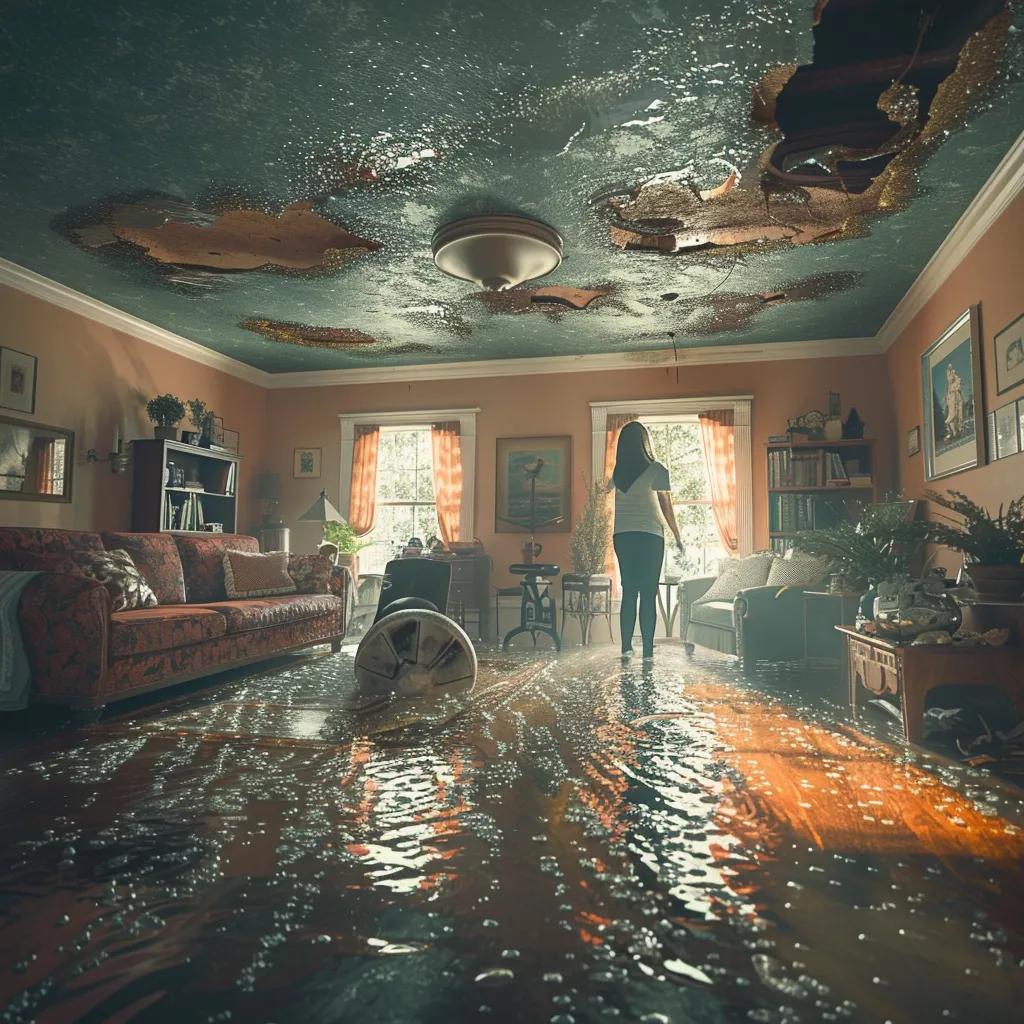
Emergency Damage Assessment Strategies You Need Now: Your Comprehensive Guide to Protecting Your Home
When disaster strikes—be it water, fire, or smoke—every single minute counts. Delays in action can dramatically escalate repair costs, introduce serious health hazards, and complicate your insurance claims. That’s why having a clear understanding of emergency damage assessment strategies is crucial. These strategies empower you, the homeowner, to act swiftly, secure your safety, meticulously document your losses, and engage expert restoration services without hesitation. In this essential guide, you’ll discover the critical safety steps to take immediately after damage, how to pinpoint water intrusion and its hidden impacts, key methods for fire and smoke inspection, the undeniable value of professional 24/7 assessment from National Emergency Water Damage Experts, vital post-assessment next steps, and smart preparation tactics to ensure our experts arrive ready to help. These proven protocols lay the foundation for effective recovery and seamless coordination with our dedicated restoration specialists.
What Are Your Immediate Safety Steps After Emergency Damage?
Assessing hazards and securing the scene immediately after damage is your first line of defense. It prevents injury, limits secondary losses, and sets the crucial stage for a thorough evaluation and eventual restoration.
How Do You Prioritize Safety After Water, Fire, or Smoke Damage?
Prioritizing safety after water, fire, or smoke damage means quickly evaluating electrical, structural, and air-quality risks to protect everyone in your home and preserve your property’s integrity.
- **Cut the Power:** Turn off utilities at the main shut-off valves to eliminate electrical shock and gas leak dangers.
- **Check for Instability:** Inspect load-bearing walls and ceilings for any cracks or sagging that could indicate a collapse risk.
- **Ventilate Safely:** Open windows and doors to ventilate enclosed areas, dispersing hazardous smoke, fumes, or mold spores.
By focusing on these critical electrical, structural, and air-quality checks, you minimize immediate dangers and prepare for accurate damage documentation.
What Should You Avoid to Prevent Further Damage or Injury?
Avoiding certain actions is paramount to safeguarding both your family and your property from compounding harm when a disaster has struck.
- **No Electrical Use:** Do not operate electrical appliances or use extension cords in damp or wet areas.
- **Stay Out of Standing Water:** Never enter rooms with standing water without non-conductive footwear and appropriate protective gear.
- **Don’t Disturb Debris:** Avoid disturbing soot or charred materials, as this can release toxic particles into the air.
Recognizing and eliminating these risky behaviors reduces additional harm and paves the way for safe, systematic documentation.
How Do You Safely Document Damage for Insurance Claims?
Safely documenting damage means capturing clear, timestamped visuals while maintaining safe access and preserving crucial evidence for your insurer.
- **Protect Yourself:** Always wear gloves and eye protection when photographing debris or potential mold.
- **Steady Shots:** Use a tripod or stable platform to prevent blurry images, ensuring clarity for your claim.
- **Comprehensive Coverage:** Record both wide-angle overviews and detailed close-up shots of specific damage.
- **Organize Your Files:** Label each file with the date, time, and specific location within your home for easy reference.
Thorough, organized documentation establishes an accurate baseline for professional assessment and significantly strengthens your insurance claims, leading seamlessly into specialized water-damage identification.
How Do You Identify and Assess Water Damage Effectively?
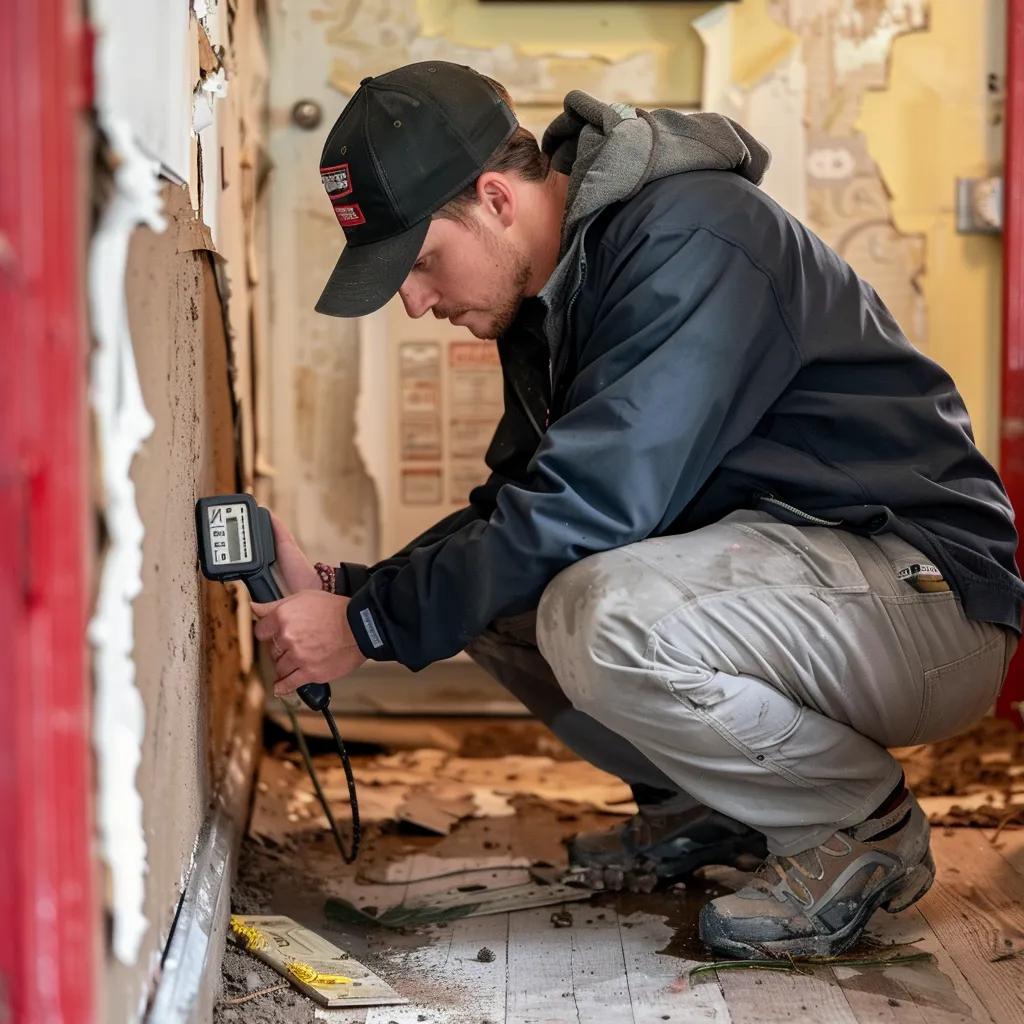
Identifying and assessing water damage effectively requires a keen eye for visible staining and the ability to detect hidden moisture, which is crucial for preventing structural failure and dangerous mold proliferation.
What Are the Visible and Hidden Signs of Water Damage?
Water damage often manifests in obvious discoloration, but it also leaves subtle cues that frequently go unnoticed until mold becomes a serious problem.
Before evaluating moisture tools, consider these critical indicators:
| Entity | Attribute | Value / Example |
|---|---|---|
| Ceiling stains | Color change | Brown rings around light fixtures, indicating leaks above |
| Floor warping | Surface distortion | Buckled hardwood boards or lifting vinyl, signaling moisture absorption |
| Paint blistering | Delamination | Bubbling or peeling paint on drywall, a clear sign of trapped moisture |
| Hidden moisture | Elevated RH (%) | Relative humidity above 60% in affected areas, ideal for mold growth |
| Wall cavity dampness | Spongy texture | Soft or yielding drywall when pressed, indicating saturation within the wall |
How Are Moisture Detection Tools Used in Water Damage Assessment?
Moisture detection tools like thermal cameras and advanced moisture meters are indispensable. They measure subsurface humidity to locate concealed water intrusion and guide precise remediation efforts.
- **Pin-Type Moisture Meters:** These tools probe materials to provide accurate moisture content readings in wood, drywall, and other porous surfaces.
- **Non-Invasive Infrared Thermal Imaging:** Reveals temperature anomalies associated with hidden moisture pockets, allowing for non-destructive detection.
- **Hygrometers:** Track ambient relative humidity to predict and monitor mold-friendly conditions, ensuring comprehensive drying.
Employing these instruments uncovers hidden leaks and informs precise drying strategies to curb mold, leading naturally into critical structural integrity considerations.
How Does Water Damage Affect Structural Integrity and Mold Growth?
Water infiltration doesn’t just cause visible damage; it actively weakens framing members and substrates while creating an ideal, rapid environment for mold spores to flourish, threatening both your home’s safety and your family’s health.
| Entity | Attribute | Evidence / Impact |
|---|---|---|
| Mold growth | Onset timeline | Can begin within 24–48 hours after water exposure |
| Joist rot | Load-bearing loss | Significant reduction (10–20% or more) in load capacity, compromising stability |
| Drywall decay | Material breakdown | Crumbling, softening, and complete loss of rigidity |
| Subfloor swelling | Structural shift | Uneven flooring, nail pops, and potential floor collapse |
Impact of Water Damage on Structural Integrity
Water infiltration can severely weaken structural components like framing members and substrates, potentially leading to a significant reduction in load capacity. This damage can compromise the safety and stability of your entire building, highlighting the urgent need for thorough assessment and prompt repair.
This citation reinforces the article’s discussion of the structural consequences of water damage, emphasizing the importance of professional assessment.
The Speed of Mold Growth
Mold can begin to grow within a mere 24 to 48 hours after water exposure, making rapid assessment and drying absolutely crucial to prevent extensive remediation and serious health risks. This rapid growth underscores the importance of immediate action after water damage to mitigate potential health hazards and structural issues.
This source supports the article’s emphasis on the urgency of addressing water damage to prevent mold growth.
Identifying mold early prevents costly abatement and protects your indoor air quality, safeguarding your family’s health.
How Is Structural Damage Evaluated After Water Exposure?
Structural damage evaluation meticulously examines load-bearing elements, surface substrates, and fastener integrity to determine precise repair needs.
- **Inspect Key Components:** Carefully check floor joists, wall studs, and beams for any signs of softening, warping, or bowing.
- **Measure Stability:** Use levels and straightedges to measure deflection and settlement, identifying any structural shifts.
- **Check Connections:** Examine fasteners and connectors for corrosion or separation, which can compromise structural integrity.
Accurate structural assessment informs safe restoration design and supports detailed reporting for seamless insurance adjustment.
What Are the Key Strategies for Fire Damage Inspection?
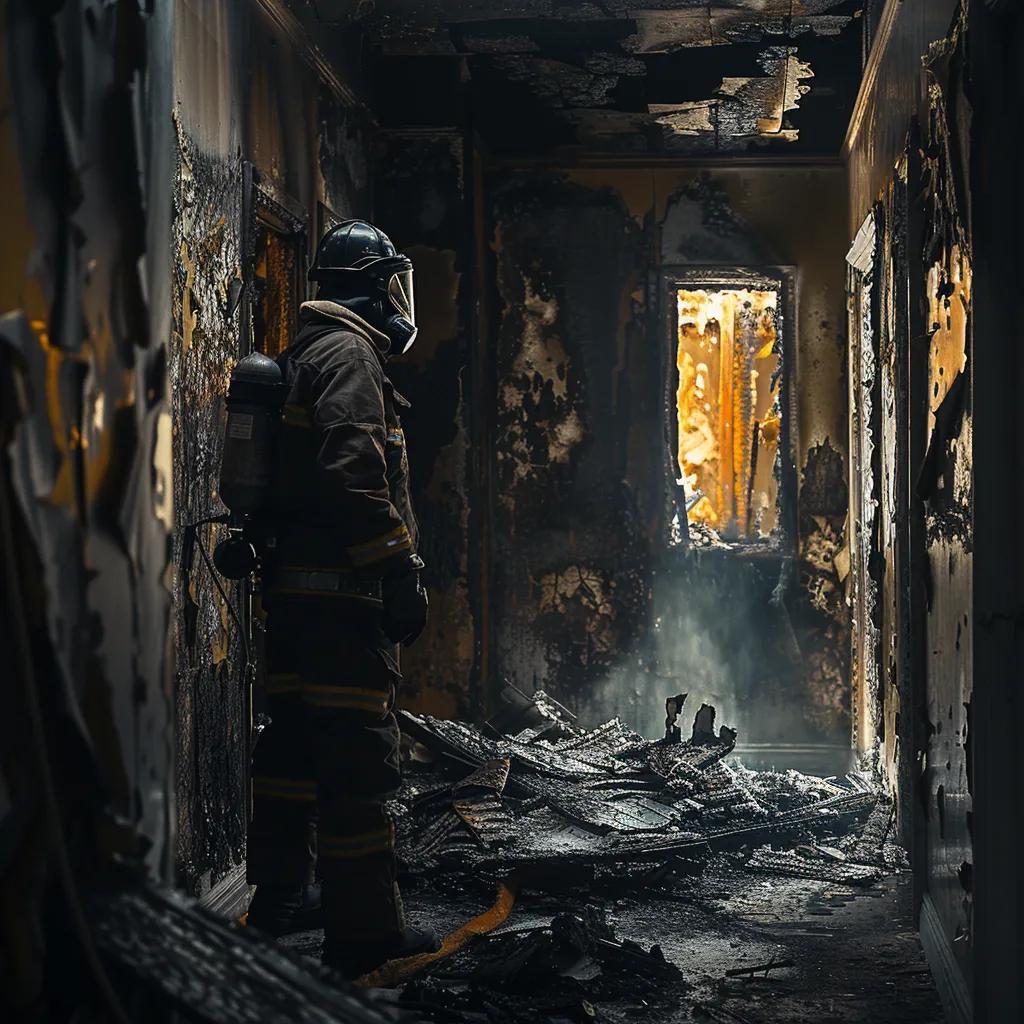
Effective fire damage inspection combines meticulous visual analysis of charring, precise soot testing, and thorough heat-impact evaluation to determine the full restoration scope and critical safety requirements.
How Do You Recognize Different Types of Fire Damage?
Different fire damage categories—soot staining, thermal spalling, and smoke residue—each require distinct inspection approaches to ensure comprehensive restoration.
- **Soot Extent:** Analyze the light, medium, or heavy coating for its composition and acidity, which dictates cleaning methods.
- **Heat Exposure:** Look for thermal spalling of concrete and masonry surfaces, indicating the peak temperatures reached during the fire.
- **Smoke Penetration:** Identify protein-based films on surfaces, often creating yellowish discoloration, a sign of deep smoke infiltration.
Recognizing these specific damage forms guides appropriate cleaning methods and informs crucial structural integrity checks.
What Are the Steps to Assess Structural Fire Damage?
Assessing structural fire damage involves a meticulous examination of load-bearing elements, connection points, and charring depth to verify the stability and safety of your home.
- **Steel Components:** Evaluate steel beams and columns for any loss of cross-section due to heat warping.
- **Wood Framing:** Inspect wood framing for char depth greater than one-third of its thickness, which indicates significant structural compromise.
- **Masonry & Concrete:** Check masonry and concrete for spalling and cracking under fire stress, signs of severe heat impact.
This targeted approach ensures accurate damage categorization and safe planning for repair or replacement, protecting your home’s foundation.
How Is Electrical Fire Damage Evaluated Safely?
Evaluating electrical fire damage requires strict safety protocols: de-energizing circuits and meticulously inspecting wiring, outlets, and panels for fire-induced faults.
- **Power Down:** Shut off power to affected circuits at the main breaker to prevent shock hazards.
- **Inspect Wiring:** Carefully examine wiring insulation for any signs of melting or brittleness.
- **Test Connections:** Test outlets and junction boxes for continuity and short circuits, identifying hidden electrical dangers.
Safe electrical inspection prevents shock hazards and lays the essential groundwork for comprehensive electrical restoration.
How Do You Document Fire Damage for Insurance Purposes?
Documenting fire damage for insurance claims means creating a comprehensive, undeniable record of structural, content, and charring evidence to fully support your coverage.
- **Overall Views:** Capture wide-angle photos of each room’s overall condition to show the extent of damage.
- **Detailed Shots:** Photograph close-ups of char depth, soot patterns, and heat-marked materials for precise evidence.
- **Inventory Everything:** Generate a detailed inventory of all damaged items, including serial numbers and approximate values, for a complete claim.
Robust documentation underpins claim accuracy and significantly accelerates the restoration contracting process, getting you back on track faster.
How Can You Detect and Evaluate Smoke Damage Thoroughly?
Detecting smoke damage thoroughly combines visual cues, expert odor assessment, meticulous HVAC inspection, and precise residue testing to reveal hidden contamination that can linger for years.
What Are the Signs of Hidden Smoke Damage in Your Home?
- **Lingering Odors:** Musty or acrid odors that persist stubbornly even after initial cleanup attempts.
- **Subtle Discoloration:** Faint discoloration on ceilings, behind appliances, or inside cabinets, often overlooked.
- **HVAC Deposits:** Dusty or oily soot deposits found within HVAC registers, indicating system contamination.
Spotting these subtle smoke indicators is crucial; it triggers deeper cleaning protocols and essential air-quality testing to protect your family’s health.
How Is Smoke Odor Assessed and Remediated?
- **Pinpoint Odor Zones:** Conduct a thorough walkthrough to pinpoint the exact high-odor zones within your home.
- **Measure VOC Levels:** Use electronic nose sensors or PID detectors to accurately measure volatile organic compound (VOC) levels, indicating smoke presence.
- **Neutralize Odors:** Deploy advanced hydroxyl or ozone treatments to effectively oxidize and neutralize odor molecules at their source.
How Does Smoke Affect HVAC Systems and Indoor Air Quality?
Smoke infiltration into HVAC systems deposits harmful particulates on coils and ducts, drastically reducing airflow and continuously circulating dangerous contaminants throughout your home.
| Entity | Attribute | Impact |
|---|---|---|
| HVAC coil fouling | Efficiency loss | Up to 25% reduced heat transfer, leading to higher energy bills |
| Duct contamination | Particulate load | Increased exposure to carcinogenic soot and other harmful airborne particles |
| Air filter clogging | Pressure drop | Higher energy consumption and reduced system performance |
Thoroughly cleaning HVAC systems is paramount; it prevents ongoing smoke recirculation and protects occupant health, ensuring clean, safe air.
What Tools Do Professionals Use to Detect Smoke Residue?
- **Infrared Imaging:** Reveals heat-damaged drywall and ceilings, often where smoke has deeply penetrated.
- **Soot Swipe Kits:** Collect residue for precise laboratory analysis of carbon composition, confirming smoke presence.
- **Particle Counters:** Measure airborne particulates post-cleanup, ensuring your indoor air quality is truly restored.
These advanced tools deliver precise data to guide effective smoke-damage remediation, ensuring no hidden residue is left behind.
Why Is Professional Emergency Damage Assessment Crucial for Homeowners?
Professional emergency damage assessment isn’t just a service; it’s your peace of mind. It brings certified expertise and advanced technology to uncover hidden risks, accelerate safe restoration, and protect your most valuable asset.
What Are the Benefits of IICRC Certified Damage Assessors?
- **Standardized Protocols:** Application of standardized assessment protocols, universally recognized and trusted by insurers.
- **Thorough Documentation:** Meticulous documentation consistent with industry-accepted reporting formats, leaving no detail overlooked.
- **Up-to-Date Expertise:** Ongoing education and strict compliance with evolving restoration guidelines, ensuring the best practices are always applied.
IICRC Certification translates directly into efficient, credible assessments that expedite insurance approvals and guarantee quality repairs, getting your life back to normal faster.
How Do Advanced Tools Like Thermal Cameras Improve Assessment?
- **Detect Hidden Water:** Identify cold spots indicating hidden water pooling or insidious leaks behind walls.
- **Reveal Fire Damage:** Reveal heat-absorbing structural elements that have been compromised by fire, even if not visibly charred.
- **Map Airflow:** Map airflow patterns to precisely locate duct leaks and hidden smoke channels, ensuring comprehensive cleanup.
This non-destructive, cutting-edge technology delivers rapid, reliable insights that guide targeted interventions, saving you time and money.
How Does Professional Assessment Prevent Hidden Damage and Health Risks?
- **Early Mold Detection:** Curbs mold growth before air-quality impacts worsen and become a serious health threat.
- **Structural Integrity:** Structural analysis flags corrosion, rot, or instability requiring immediate, critical repair.
- **Air Quality Testing:** Indoor air testing uncovers dangerous VOCs and soot particulates unseen by the untrained eye, protecting your family.
By uncovering these hidden threats, our certified assessors safeguard your health and significantly reduce long-term restoration costs, providing true peace of mind.
How Does Professional Documentation Support Insurance Claims?
- **Clear Visuals:** Detailed diagrams and moisture maps vividly illustrate damage locations and severity.
- **Validated Readings:** Lab-tested moisture and soot readings provide undeniable validation of severity levels.
- **Streamlined Process:** Clear, itemized cost estimates and comprehensive repair plans streamline claim processing, accelerating your recovery.
Solid documentation fosters insurer confidence and accelerates restoration funding, ensuring you get the coverage you deserve without unnecessary delays.
What Are the Post-Assessment Next Steps for Homeowners?
After a professional assessment, you transition from evaluation to targeted restoration. This means taking immediate precautions and coordinating seamlessly with your insurers and our expert contractors.
How Do You Transition from Damage Assessment to Restoration Services?
- **Review the Report:** Carefully review the professional report with your dedicated 24/7 restoration provider.
- **Approve the Plan:** Approve the comprehensive scope of work and material recommendations, ensuring you understand every step.
- **Schedule Services:** Schedule emergency drying, debris removal, or structural repairs to begin the recovery process immediately.
This seamless handoff ensures rapid mobilization of our restoration crews and minimizes downtime, getting your home back faster.
What Immediate Actions Prevent Further Property Damage?
- **Stop the Source:** Shut off water sources at the main valve to immediately halt any ongoing leaks.
- **Secure Openings:** Board up broken windows and doors to prevent further weather intrusion and secure your property.
- **Protect from Elements:** Cover exposed areas with tarps to keep rain and debris out, safeguarding your home from further harm.
These interim steps maintain property integrity while you finalize comprehensive restoration plans with our team.
How Should You Communicate Findings to Your Insurance Provider?
- **Submit the Report:** Submit the professional damage report, including all photos and moisture charts, as your primary evidence.
- **Provide Estimates:** Provide itemized estimates for structural, content, and specialty services, ensuring transparency.
- **Schedule Walkthrough:** Schedule an adjuster walkthrough to review findings in person, facilitating a smoother claim process.
Transparent, thorough communication accelerates approvals and funding for restoration work, getting you the help you need, when you need it.
How Can Homeowners Prepare for Emergency Damage Assessments?
Preparing for a professional assessment streamlines the entire process, ensures safety for everyone involved, and maximizes the value of expert insights when our team arrives.
What Should You Do Before Professionals Arrive?
- **Clear the Way:** Secure pets and clear pathways to damaged zones, ensuring safe and efficient access for our team.
- **Gather Records:** Provide previous maintenance records and appliance histories, which can offer valuable context.
- **Leave Damaged Items:** Remove obstructive furniture, but leave damaged items in place for thorough inspection by our experts.
These actions enable our assessors to focus immediately on damage analysis rather than logistical delays, saving you precious time.
How Do You Safely Document Damage with Photos and Videos?
- **Optimal Conditions:** Use a stable, well-lit vantage point for each shot, ensuring clarity and detail.
- **Comprehensive Coverage:** Capture both wide-angle and detail-focused images of every single damaged area.
- **Narrated Walkthroughs:** Record video walkthroughs with voice-over notes describing your observations, adding crucial context.
Your detailed media files reinforce our assessment findings and significantly support your insurance settlements, ensuring a fair outcome.
What Questions Should You Ask Your Damage Assessment Experts?
- Which areas pose the greatest immediate safety risks to my family and home?
- What secondary damage (like mold or corrosion) should I be vigilant for in the coming days?
- How will the proposed mitigation plan minimize long-term costs and protect my investment?
- What timeline should I expect for each restoration phase, from start to finish?
National Emergency Water Damage Experts stands ready 24/7 to conduct comprehensive emergency damage assessments and provide seamless restoration services. Don’t wait. Call our emergency hotline any time at (786)919-0159 to secure your home and health with certified professionals and advanced technology. Your peace of mind is our priority.