
Navigate Insurance Limits: What You Need to Know

Understanding Your Insurance Policy Limits: A Complete Guide for Property Owners
Introduction
Facing sudden flooding, fire, or storm damage without knowing your insurance limits can lead to unexpected out-of-pocket expenses and project delays. Understanding your insurance policy limits equips you to plan restoration budgets, negotiate with insurers, and avoid costly underinsurance. In this guide, you will discover what policy limits are, why they matter, the main types of limits, how limits affect water, fire, mold, and storm damage claims, practical steps to review your policy documents, and criteria for selecting adequate coverage levels. You will also learn how emergency restoration experts support you through complex limits and claims so you can secure prompt assistance and maximum payout for your restoration work. By mastering these concepts, you improve your financial protection, gain clarity on coverage scopes, and empower yourself to respond confidently when property emergencies strike.
What Are Insurance Policy Limits and Why Do They Matter?
Insurance policy limits define the maximum amount an insurer will pay for covered losses, creating a clear boundary between insurer responsibility and policyholder exposure. By capping payouts per incident or policy period, limits balance risk for both parties and ensure predictable budgets for restoration projects. For example, a dwelling limit of £200,000 guarantees funding for rebuilding up to that figure, while any overage becomes the homeowner’s responsibility. Grasping these parameters prevents surprise bills after water, fire, or storm damage and establishes a framework for strategic coverage selection.
What Is a Policy Limit in Insurance?
A policy limit is the maximum payout specified in an insurance contract for a covered loss, either per incident or over the policy term. This quantitative cap ensures that insurers and policyholders share risk predictably and that restoration costs remain within known boundaries. For instance, a per-occurrence limit of £100,000 for water damage means the insurer will not pay beyond that amount for a single flood event. Understanding this value sets the stage for evaluating how policy limits financially protect property owners.
How Do Policy Limits Protect Property Owners Financially?
Policy limits safeguard property owners by defining clear financial boundaries, reducing exposure to open-ended liability and enabling accurate budgeting for repair or rebuilding. They prevent catastrophic loss by ensuring insurers cover major expenses up to the agreed cap, while homeowners plan for any potential excess. Key benefits include:
- Predictable restoration funding and cost forecasting
- Protection against unexpected large-scale repair bills
- Transparent insurer-policyholder risk sharing
By establishing these caps, policyholders maintain control over out-of-pocket costs and avoid claim disputes that could delay emergency restoration services.
What Is the Difference Between Policy Limits and Coverage?
Coverage describes which risks—such as water ingress, fire outbreak, or hail impact—are included under an insurance policy, whereas policy limits specify the maximum payout for those covered events. In essence, coverage defines “what” is protected, and limits define “how much” will be paid. For example, a policy may cover mold remediation but caps that benefit at a per-occurrence limit of £25,000. Recognizing this distinction helps property owners choose both the right scopes and sufficient limits for their specific risk profile.
What Are the Main Types of Insurance Policy Limits?

Policy limits determine how insurers allocate payouts across incidents and timeframes. In property insurance, three primary structures define the maximum sums available: per occurrence limits, aggregate limits, and variations such as split and combined limits. Each type shapes the way restoration budgets are supported and requires careful selection to match expected damage scenarios.
| Limit Structure | Definition | Typical Application |
|---|---|---|
| Per Occurrence Limit | Maximum payout for a single incident | Flood event in basement |
| Aggregate Limit | Total payout cap over entire policy period | Multiple storm events within 12 months |
| Combined Single Limit | Single cap covering all liability categories | Combined property and liability coverage |
This breakdown clarifies how each structure influences funding availability for restoration work and guides property owners in aligning limits with their repair needs.
What Is a Per Occurrence Limit?
A per occurrence limit sets the maximum amount an insurer will pay for any single covered event, offering clear boundaries on individual losses. This limit improves financial predictability by isolating each incident’s cost to a defined cap. For instance, a per-occurrence limit of £150,000 for fire damage ensures each fire event is funded up to that threshold, regardless of other claims. Establishing a suitable per-occurrence limit prevents single events from exhausting your policy’s value and allows you to plan for multiple, separate restorations if needed.
What Is an Aggregate Limit?
An aggregate limit defines the maximum total an insurer will pay over the entire policy period, encompassing all covered incidents. This cap protects insurers from unlimited liability while requiring policyholders to monitor cumulative claim amounts. For example, an aggregate limit of £300,000 for storm damage means that once paid claims reach that overall figure, further damage costs fall to the homeowner. Properly balancing per occurrence and aggregate limits ensures sufficient funds are available for repeated losses without unexpected shortfalls.
How Do Split and Combined Limits Work?
Split limits allocate separate caps for different coverage categories, such as separate amounts for structure, contents, and liability. In contrast, combined single limits pool all categories under one overall cap. Split limits might specify £200,000 for dwelling and £50,000 for contents, while a combined single limit of £250,000 covers both in any mix. Choosing between split and combined formats impacts flexibility in fund allocation during complex claims and requires understanding of likely damage scenarios.
What Are Common Examples of Limit Types in Property Insurance?
Property owners often encounter these limit combinations when reviewing policies:
| Damage Type | Limit Format | Illustrative Value |
|---|---|---|
| Water Damage | Per Occurrence | £100,000 per flood |
| Fire Damage | Aggregate | £250,000 annually |
| Storm Damage | Split (Structure/Contents) | £300,000/£75,000 |
| Liability Claims | Combined Single Limit | £500,000 total cover |
These examples demonstrate how different structures align with the scale and frequency of typical property emergencies, guiding limit selection for comprehensive protection.
How Do Insurance Policy Limits Affect Property Damage Claims?
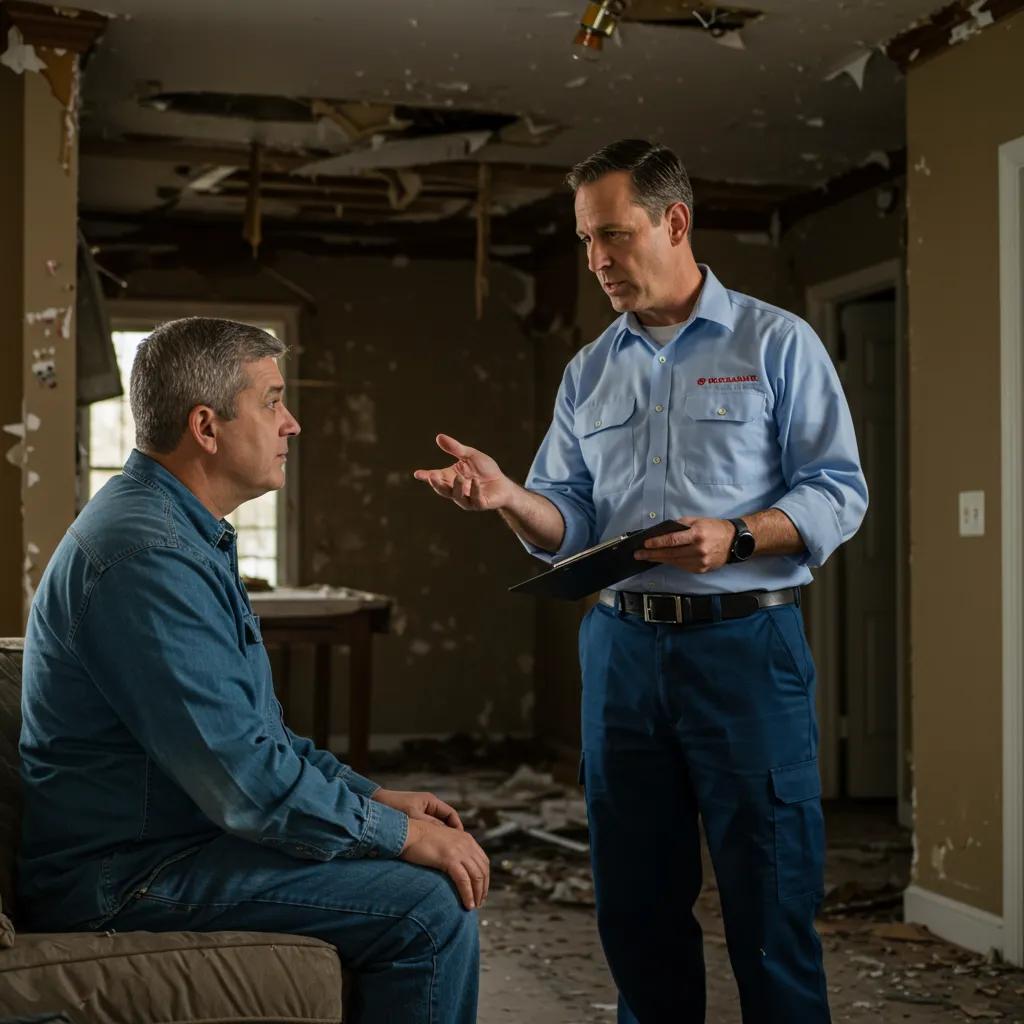
Insurance policy limits directly influence the scope of financial support available for restoration work after property damage. They determine how much funding is provided for water leaks, fires, mold outbreaks, or storm destruction, and shape decision-making on repair methods and materials. By understanding limit interactions with each damage type, property owners can anticipate coverage gaps and partner with restoration experts to maximize claim outcomes.
How Are Water Damage Claims Impacted by Policy Limits?
Water damage claims hinge on per occurrence limits for sudden events like burst pipes and aggregate limits for persistent issues such as seasonal flooding. A per-occurrence cap of £80,000 will cover one major flood but might leave remediation costs beyond that figure unfunded. Aggregate caps further restrict the total annual payout for repeated leaks or floods. Knowing these caps in advance enables property owners to prioritize immediate mitigation and confirm whether additional endorsements are needed to cover long-term moisture damage.
What Are Fire Damage Insurance Limits and Their Role in Claims?
Fire damage limits typically combine per occurrence and aggregate structures to cover structural repairs, smoke cleaning, and temporary accommodation. A per-occurrence limit of £200,000 ensures each fire event is funded up to that sum, while an aggregate cap prevents unlimited payouts across multiple incidents. These limits guide restoration planning, from rebuilding timber frames to replacing roof trusses, and inform choices about specialized fire-resistant materials that may require higher limits for full compensation.
An Examination of Fire Damage and Policy Limits within Homeowners’ Insurance
the full insurance policy limit in instances where a home is rendered a total loss due to fire, and … 94 Fire damage and smoke damage are treated as distinct perils within the dataset, yet they were …Playing with Fire: Testing Moral Hazard in Homeowners Insurance Valued Policies, P Molk, 2018
How Do Mold and Storm Damage Limits Influence Restoration Coverage?
Mold outbreaks often fall under water damage limits and may require specific mold remediation endorsements. Storm damage can count toward both per occurrence and aggregate limits if multiple weather events occur in a policy period. A split limit structure—such as £150,000 for structure and £30,000 for contents—provides targeted coverage for wind-driven rain damage versus interior property loss. Recognizing these distinctions helps property owners secure the correct endorsements and liaise with insurers for seamless claim approval.
What Happens If Your Claim Exceeds Your Policy Limits?
If restoration costs surpass policy limits, the policyholder becomes responsible for excess expenses and may face project delays while securing alternative funding. Out-of-pocket payments, personal loans, or phased repairs become necessary to bridge coverage gaps. In these scenarios, emergency restoration services assist by advocating with insurers, itemizing detailed estimates to maximize eligible payouts, and suggesting cost-effective repair methods to stay within available limits.
How Can You Review and Understand Your Insurance Policy Limits?
Reviewing your insurance policy limits requires careful examination of the declaration page, relevant clauses, and coverage schedules. By identifying numeric caps, coverage categories, and conditions, property owners gain clarity on funding availability for different damage types. This process empowers proactive decisions on limit adjustments and collaboration with restoration experts for claim preparation.
Where to Find Your Policy Limits on the Declaration Page?
The declaration page summarizes your policy’s key attributes, including per occurrence and aggregate limits for each coverage category. Locate sections titled “Limits of Liability,” “Coverage A – Dwelling,” or “Coverage C – Personal Property” to find numeric caps. Reviewing this page first ensures you know the exact payout boundaries for structure repairs, contents replacement, and liability expenses before filing any claim.
What Key Sections Should You Check for Coverage Limits?
When assessing coverage limits, focus on these clauses:
- Limits of Liability – Defines maximum payouts per category.
- Endorsements and Riders – Lists additional coverages or increased limits.
- Exclusions – Highlights scenarios not covered or subject to sub-limits.
- Deductible Amounts – Specifies the policyholder’s out-of-pocket responsibility before limits apply.
Understanding each section ensures comprehensive awareness of all financial caps and conditions.
How to Interpret Policy Language About Limits and Coverage?
Policy documents use defined terms and cross-references; interpreting them requires mapping each term to your restoration needs. Look for definitions of “occurrence,” “aggregate,” “loss of use,” and “replacement cost value.” Simplify jargon by translating contract language into plain terms—“occurrence” means “single incident,” and “aggregate” means “total for the year.” If ambiguity arises, consult an insurer representative or emergency restoration expert who specializes in claims advocacy.
Interpreting Insurance Policies and Understanding Policy Limitations
… a disputed policy provision is ambiguous, the first step in understanding insurance policy … the policy limitation did not satisfy the objectively reasonable expectations of the purchaser). …A theory of insurance policy interpretation, KS Abraham, 1996
How to Choose the Right Insurance Policy Limits for Your Property?
Selecting appropriate insurance policy limits involves balancing risk exposure, property value, and premium cost trade-offs. Adequate limits ensure full restoration coverage without excessive expenditure, while under-limits leave you vulnerable to underinsurance. By evaluating critical factors and monitoring market trends, property owners optimize protection and budget.
What Factors Should Influence Your Coverage Limit Decisions?
Key factors include:
- Property Replacement Cost – Estimate rebuilding expenses using current material and labor rates.
- Risk Profile – Assess likelihood of water, fire, storm, or mold events in your area.
- Inflation and Market Trends – Account for rising restoration costs due to material shortages.
- Occupancy Type – Commercial properties often require higher liability caps than residences.
- Local Regulations – Some jurisdictions mandate minimum liability limits for rental or commercial premises.
Evaluating these elements ensures your limits align with potential restoration scenarios.
How Do Premium Costs Relate to Policy Limits?
Premiums increase as policy limits rise, reflecting the insurer’s higher potential payout liability. Each additional £50,000 of cover might add several percent to your annual premium. This trade-off requires weighing marginal premium increases against the value of extra protection. Consulting an insurance advisor or restoration specialist can clarify whether the additional cost secures meaningful restoration funding.
When Should You Consider Increasing Your Insurance Limits?
Consider raising limits when:
- Renovations or Additions – Significant property upgrades increase replacement costs.
- Inflation Surges – Rapid material and labor price increases push restoration budgets upward.
- Regulatory Changes – New building codes require costlier compliant repairs.
- Underinsurance Concerns – Previous claims approached existing limits, signaling coverage gaps.
Adjusting limits proactively prevents surprise expenses and ensures full restoration support.
How Do Emergency Restoration Services Assist with Insurance Policy Limits?
Emergency restoration services bridge the gap between property damage and accurate insurance payouts by providing expertise in damage assessment, claims documentation, and insurer negotiations. These specialists ensure your policy limits are fully utilized and that restorations proceed without delay.
How Can Restoration Experts Help Navigate Complex Policy Limits?
Restoration professionals generate detailed scope-of-work estimates, categorize losses according to coverage definitions, and liaise directly with insurers to clarify ambiguous limit clauses. By aligning project invoices with policy language, they maximize eligible payouts and reduce out-of-pocket spending.
What Role Do Restoration Companies Play When Claims Exceed Limits?
When damage costs exceed policy limits, restoration companies advocate for partial funding adjustments, phased repair plans, or alternative materials that meet insurer guidelines. They also provide transparent cost breakdowns to insurers, supporting requests for endorsements or excess coverage where available.
How Does Immediate Assistance Impact Insurance Claims and Limits?
Swift emergency response minimizes secondary damage, preserving salvageable materials and reducing total claim costs. Immediate mitigation—such as water extraction or board-up services—demonstrates proactive loss control, which insurers recognize when evaluating limit applications and can prevent limit erosion due to expanded damage.
What Are Common Questions About Insurance Policy Limits?
Property owners often seek clarity on ideal limits, quick limit lookup methods, and the risks of being underinsured. These critical queries guide limit adjustments for both residential and commercial properties.
What Is a Good Policy Limit for Property Insurance?
A good policy limit aligns with your property’s full replacement cost plus a contingency buffer of 10–20 percent for unexpected price fluctuations. This ensures sufficient funding for comprehensive restoration without regularly exhausting your limit in typical claims.
How Do I Find My Insurance Policy Limits Quickly?
To locate limits swiftly, review the policy declaration page under “Limits of Liability” or contact your broker for a summary of coverage caps. Insurance portals often display limit details in an easily navigable dashboard, enabling instant verification.
What Are the Risks of Being Underinsured for Property Damage?
Underinsurance exposes property owners to large out-of-pocket expenses, project delays, and potential disputes with insurers over uncovered costs. It can result in incomplete restorations and lasting structural issues if funds run short mid-repair.
How Do Policy Limits Differ Between Residential and Commercial Properties?
Residential limits typically focus on dwelling, contents, and personal liability, while commercial policies include higher liability caps, business interruption cover, and specific endorsement limits for equipment, inventory, and tenant damage. Commercial limits often exceed residential caps to accommodate larger property values and increased liability exposure.
Facing an emergency property restoration scenario armed with clear knowledge of your insurance policy limits empowers you to secure prompt service, optimize claim outcomes, and avoid financial surprises. By reviewing your declaration page, selecting appropriate limit types, and partnering with a skilled restoration team, you enhance coverage certainty and restore your property efficiently. Contact experienced restoration professionals to assess your policy limits and request a complimentary inspection that aligns your coverages with real-world restoration costs.