Signs Your Home Needs Immediate Attention vs. Wait-and-See
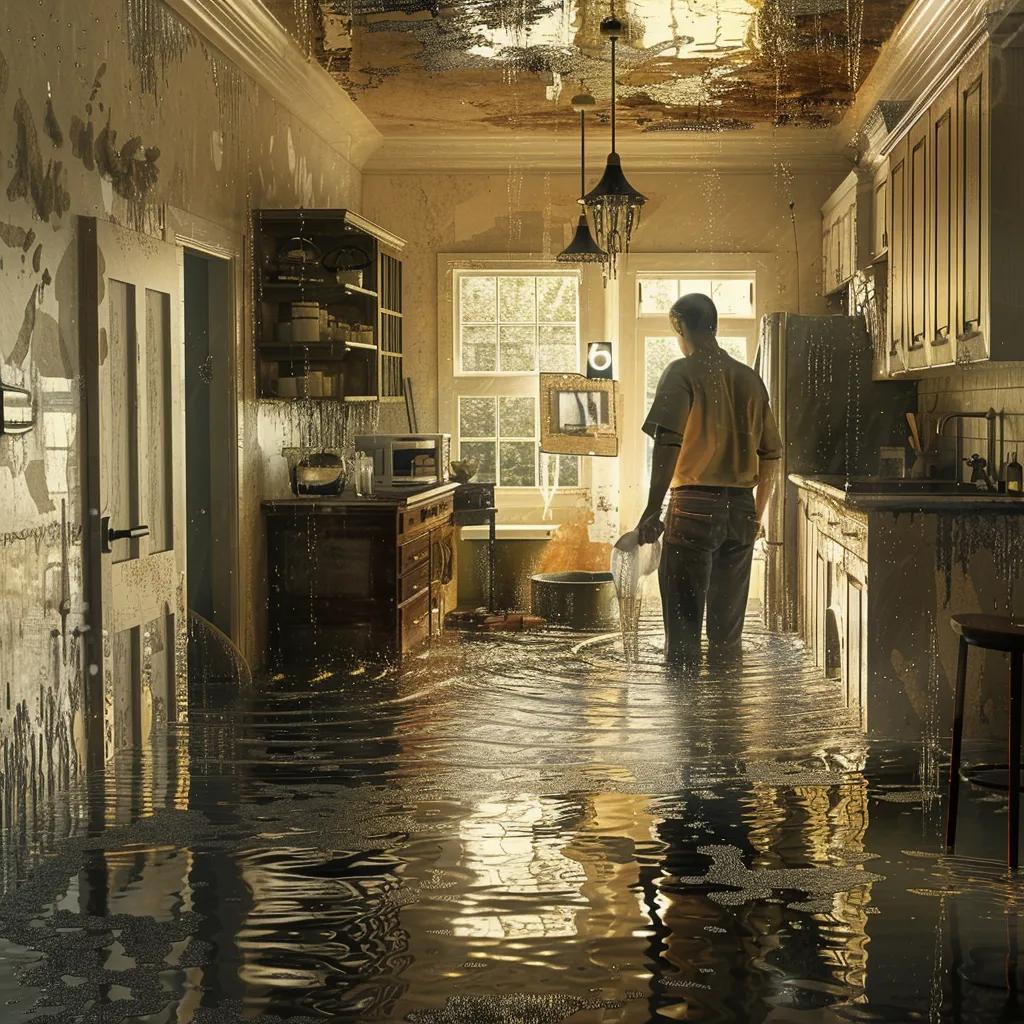
How to Know If Your Home Needs Emergency Help or Can Wait: Critical Signs Demanding Immediate Attention
When disaster strikes your home, the clock starts ticking. Water intrusion, fire damage, or structural threats can quickly escalate from a minor inconvenience into a devastating, costly catastrophe. Knowing how to determine if you need emergency help or can wait for repairs is crucial for protecting your property, your family’s health, and your financial well-being. In this essential guide, you’ll discover:
- The unmistakable indicators that demand immediate professional intervention versus issues that are safe to monitor.
- The serious health hazards linked to delays, from rapid mold growth to dangerous electrical risks.
- Actionable, safe steps you can take before our experts arrive.
- The critical advantages of our 24/7 emergency water damage restoration services in halting damage escalation and restoring your peace of mind.
- How to quickly tell water, fire, and smoke emergencies apart—and why every second truly matters.
By understanding these vital signs, you’ll know precisely when to call National Emergency Water Damage Experts at any hour, and when a watchful eye truly suffices. Your home’s safety and your peace of mind are our top priorities.
Emergency or Wait-and-See? Key Home Repair Warning Signs
Emergency-level issues aren’t just inconvenient; they pose severe, immediate risks to your home’s structural integrity and your family’s health. These situations often require professional restoration within a critical 24–48 hour window. Ignoring a bursting pipe or a hidden leak can rapidly lead to widespread mold, dangerous electrical hazards, and even foundation damage. Immediate intervention is the only way to stop progressive deterioration and prevent far more costly rebuilds.
Water Damage and Structural Integrity: A Critical Threat
Water intrusion, if left unchecked, can severely compromise your building’s structural integrity. Research from FEMA emphasizes that prolonged water exposure can lead to devastating wood rot, foundation damage, and even the potential for collapse. Immediate action isn’t just recommended—it’s absolutely crucial to mitigate these profound risks to your home’s very foundation.
Which Water Damage Signs Demand Urgent Professional Restoration?
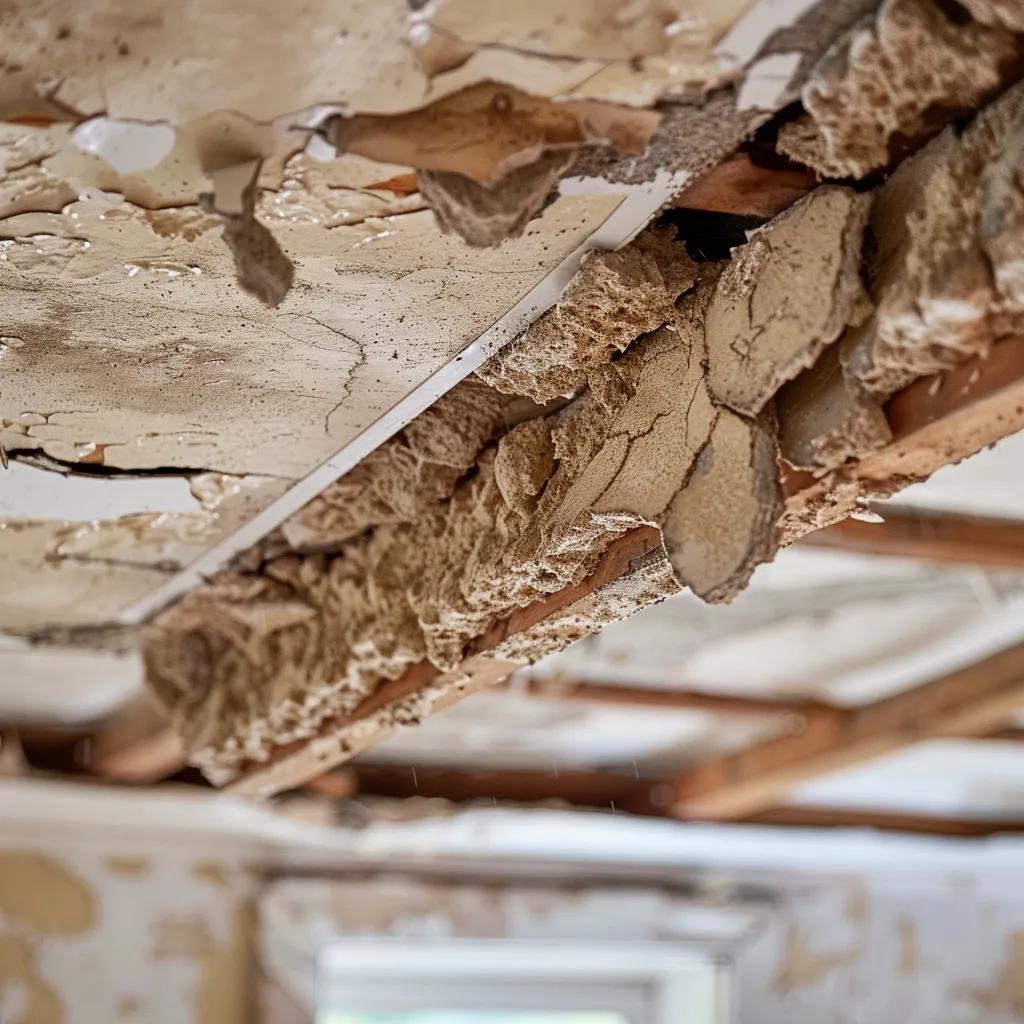
Visible water pooling, warped floors, and persistent musty odors are not just nuisances; they are clear signals that water has penetrated deep beyond surface materials. When you notice any of these critical signs:
- Standing water covering your floors or saturating carpeting.
- Bulging drywall or visibly sagging ceiling panels.
- Persistent dampness that remains despite your attempts at drying.
These indicators confirm advanced moisture infiltration that only specialized drying equipment and expert structural repairs can truly resolve. Professional water extraction and precise moisture mapping are essential to prevent hidden mold colonies from taking hold and causing further damage.
How Do Burst Pipes and Flooding Signal Emergency Repairs?
Burst pipes and sudden flooding instantly elevate the risk to your home by overwhelming drainage and electrical systems. Key telltales that demand immediate action include:
- A sudden, uncontrollable rush of water near supply lines.
- Floodwater visibly rising above baseboards.
- A sudden, significant loss of water pressure, indicating a major breach.
Addressing burst pipes requires immediate action: shutting off the main water supply, contacting a 24/7 restoration team like ours, and assessing water contamination levels. Rapid mitigation is your best defense against structural swelling and dangerous microbial growth.
What Fire Damage Symptoms Indicate Immediate Action Is Needed?
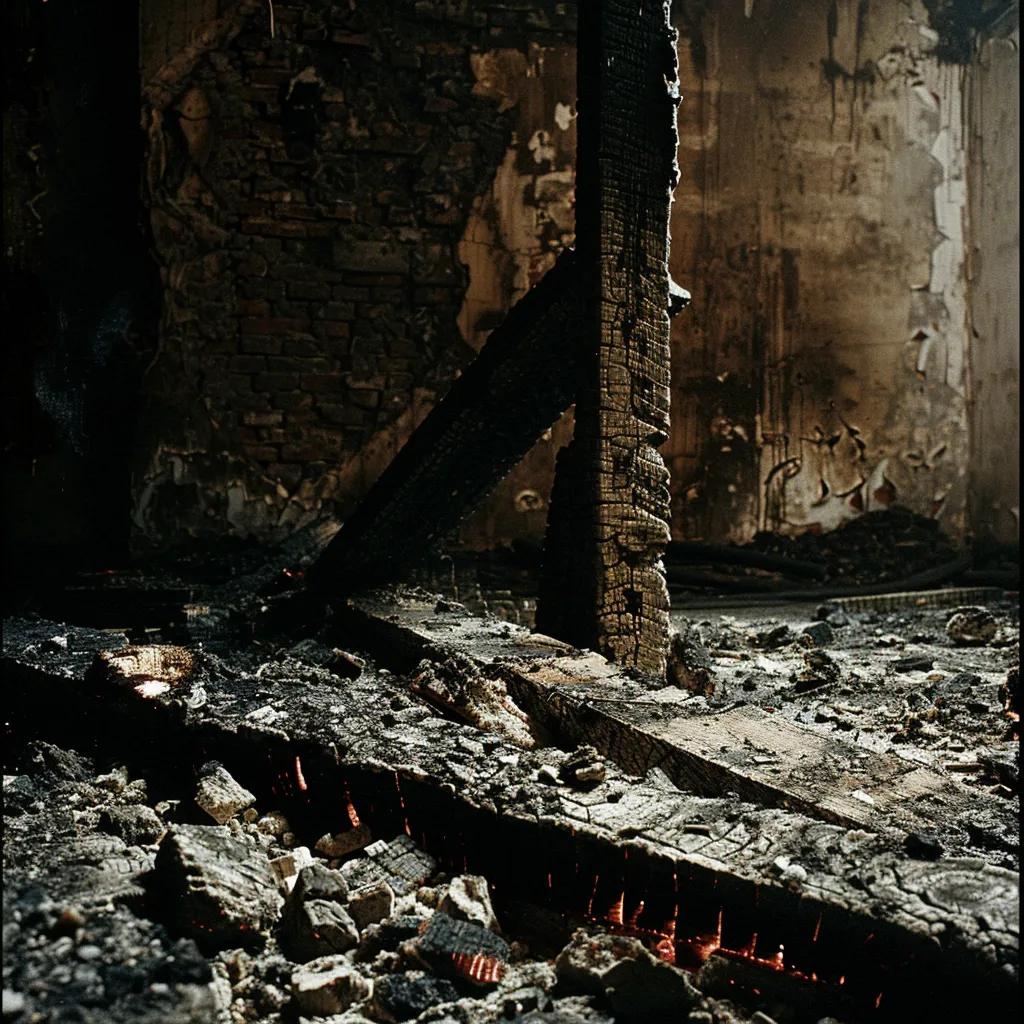
Fire-damaged areas often conceal far more than meets the eye, including dangerously weakened supports and toxic residues. Emergency warning signs that demand immediate professional assessment include:
- Charring on critical load-bearing beams or structural elements.
- Cracked masonry or spalling concrete, indicating heat damage.
- Active, pervasive smoke odors that linger stubbornly despite ventilation efforts.
Professional intervention is vital to thoroughly clean soot, accurately evaluate structural integrity, and apply specialized sealants to prevent corrosion and lingering fire residues from causing long-term damage.
How Can Smoke Damage Affect Your Home and When Should You Act?
Smoke isn’t just an odor; it permeates walls, HVAC ducts, and personal belongings, posing serious respiratory risks and staining surfaces. Act immediately if you detect:
- Sharp, acrid odors that are present in multiple rooms.
- Yellowing walls or ceilings, especially near the top.
- Granular soot deposits on fabrics, furniture, or other surfaces.
Timely professional smoke remediation is crucial to prevent permanent odor absorption and protect your family’s health.
How Can You Identify Signs That Allow for Wait-and-See Repairs?
Not every drip or hairline crack demands an emergency call. Understanding which low-risk issues can be safely monitored can save you costs without compromising your home’s safety, provided they remain stable and minor.
What Minor Water Damage Symptoms Can Be Monitored Before Repair?
Small leaks and isolated water stains under sinks or along window sills often indicate surface-level infiltration that may not require immediate emergency intervention. Watch carefully for:
- Hairline cracks in grout that don’t appear to be expanding.
- Light discoloration around faucets or fixtures.
- Slow drips that don’t saturate surrounding materials or spread rapidly.
If these symptoms remain unchanged over several days and you maintain proper ventilation, scheduling standard repairs can suffice. However, always be vigilant for any escalation.
When Is Mold Growth a Sign to Wait or Call for Immediate Help?
Early mold may appear as small black specks on grout or window frames. You can monitor if colonies cover less than 1 square foot and remain surface-bound. However, it’s time to call for professional remediation when:
- Mold patches exceed pocket-size areas and are visibly spreading.
- Musty odors intensify significantly despite airing out your home.
- Allergy symptoms or respiratory issues develop in occupants.
Larger colonies require professional mold remediation to safely remove hidden hyphae and prevent dangerous airborne spores from spreading throughout your home.
How to Recognize Non-Critical Structural Issues That Can Wait?
Minor cosmetic cracks in drywall or hairline fissures in plaster usually pose a low risk if they don’t widen, lengthen, or recur. Indicators that you can likely defer repairs include:
- Surface-only cracks under 1/16 inch wide.
- Isolated chips in non-load-bearing walls.
- Paint peeling without any underlying bulges or signs of moisture.
Always keep a close eye on any recurring movement or changes, and schedule routine maintenance before small flaws have a chance to escalate into larger problems.
What Are the Health Risks Associated with Delaying Emergency Repairs?
Postponing critical repairs allows hazardous conditions to worsen rapidly, exposing your family to mold, contaminated water, and severe shock risks. Understanding these profound dangers underscores the absolute urgency of professional intervention.
How Does Mold Growth Within 24–48 Hours Affect Respiratory Health?
Mold spores can colonize damp materials within a mere two days, rapidly releasing allergens and mycotoxins into your indoor air. Early symptoms of exposure can include:
- Chronic coughing and persistent wheezing.
- Nasal congestion and throat irritation.
- Skin rashes from direct contact exposure.
Mold Growth and Health Risks: A Serious Concern
Mold exposure can lead to a wide range of health issues, including significant respiratory problems and skin irritation. The Centers for Disease Control and Prevention (CDC) highlights that mold exposure can cause symptoms such as coughing, wheezing, and skin rashes, especially in individuals with allergies or asthma. Protecting your family means acting fast.
What Are the Dangers of Black Water and Contaminated Flooding?
Black water—which includes sewage, chemical spills, or river floodwater—carries dangerous bacteria, viruses, and toxins. Exposure risks are severe and include:
- Gastrointestinal infections.
- Skin infections and complications from open wounds.
- Long-term health effects from chemical irritants.
Professional teams are equipped to classify contamination levels and apply specialized disinfectants to restore safe, healthy conditions to your home.
How Can Untreated Water Damage Lead to Electrical Hazards?
Water contacting wiring, outlets, and appliances creates immediate, life-threatening shock and fire hazards. Warning signs that demand extreme caution include:
- Tripped breakers or fuses that repeatedly won’t reset.
- Sparking outlets or flickering lights.
- Corroded wiring insulation behind walls, often indicated by a burning smell.
Only licensed technicians, working in conjunction with restoration experts, can safely de-energize circuits and thoroughly dry hidden cavities to prevent catastrophic electrical failures.
Electrical Hazards and Water Damage: A Deadly Combination
Water and electricity pose significant, life-threatening dangers when combined. The Electrical Safety Foundation International (ESFI) stresses that water is an excellent conductor of electricity, leading to severe shock and fire hazards. They strongly recommend immediate action to shut off power and address water damage to prevent electrical incidents. Your safety is paramount.
What Immediate Steps Should Homeowners Take Before Professional Help Arrives?
While waiting for our expert team, there are crucial steps you can take to minimize further damage and ensure your safety. These precautions are vital before professional help arrives.
How to Safely Shut Off Water and Electricity During Emergencies?
Your first priority is safety. Turn off the main water valve, typically located near your water meter, and switch off breakers at your fuse box, starting with the affected zones. Always remember to:
- Wear insulated gloves when handling electrical panels.
- Use a flashlight instead of candles in flooded areas to avoid fire risks.
- Verify power outage with a non-contact voltage tester if you have one.
These precautions minimize shock risks and help isolate damage zones, making our job safer and more efficient upon arrival.
What Documentation and Damage Assessment Should You Perform?
Thoroughly photograph all affected areas, noting timestamps and room locations. This documentation is invaluable. Be sure to include:
- Close-ups of stains, drips, and any visible mold patches.
- Wide shots showing the full extent of flooding or damage.
- Receipts for any immediate containment purchases, such as tarps or buckets.
Accurate records not only support your insurance claims but also help our restoration crews prioritize tasks and develop the most effective plan.
When Should You Avoid DIY Repairs to Prevent Further Damage?
While it’s natural to want to fix things yourself, avoid attempting repairs on burst pipes, electrical panels, or mold-infested materials. DIY attempts can:
- Spread contaminants further throughout your home.
- Worsen structural cracks and compromise integrity.
- Potentially invalidate your insurance coverage.
Waiting for certified technicians ensures your safety, prevents additional damage, and preserves your property’s value. Trust the experts.
Why Is Professional 24/7 Emergency Restoration Critical for Urgent Home Issues?
Rapid intervention is not just a convenience; it’s a necessity. It halts progressive damage, safeguards your family’s health, and significantly reduces long-term costs. Our around-the-clock team leverages advanced techniques and unparalleled expertise to restore your home swiftly and effectively.
How Does Rapid Damage Mitigation Prevent Structural and Mold Damage?
Immediate water extraction and professional structural drying are paramount. They disrupt mold’s life cycle and stabilize load-bearing components, protecting your home’s very foundation. Key benefits include:
- Significantly reduced moisture content, preventing devastating wood rot.
- Controlled humidity levels, minimizing dangerous fungal proliferation.
- Immediate debris removal, eliminating hidden moisture traps where mold thrives.
What Does a Professional Damage Assessment Include and Why Is It Important?
A thorough, professional assessment uses state-of-the-art moisture meters, thermal imaging, and contamination testing to precisely map all affected zones—even those you can’t see. Our assessment phases include:
- A comprehensive visual inspection of all visible damage.
- Advanced instrumentation to detect hidden moisture pockets.
- Precise contamination classification to ensure proper cleanup protocols.
This systematic approach uncovers latent issues and informs a tailored, effective restoration plan, ensuring no hidden damage is left behind.
How Do Emergency Services Protect Your Health and Home Integrity?
Our 24/7 restoration services combine specialized equipment with highly certified technicians to deliver comprehensive protection. We provide:
- HEPA-filtered air scrubbing to effectively remove airborne spores and contaminants.
- Antimicrobial treatments to neutralize pathogens and prevent future growth.
- Structural shoring to secure weakened frameworks, ensuring your home’s stability.
We don’t just clean; we restore your home to a safe, healthy, and stable condition.
How Can You Differentiate Between Water, Fire, and Smoke Damage Emergencies?
Different types of damage manifest unique signs and require highly tailored responses. Recognizing these distinctions ensures you summon the right expertise promptly, saving time and preventing further harm.
What Are the Unique Signs of Emergency Water Damage?
- Rapidly expanding pools or visible streaming flows of water.
- Ceiling bulges that appear to be filled with water.
- Sudden, widespread discoloration on multiple surfaces, indicating deep saturation.
A timely water extraction crew is essential to halt structural decay and prevent dangerous microbial colonization.
How to Recognize Critical Fire Damage Signs Requiring Fast Response?
- Charred load-bearing elements that compromise your home’s stability.
- Heat-weakened metal supports that may be warped or discolored.
- Widespread soot deposits that are actively corroding surfaces.
Specialized fire restoration teams are crucial to secure structures, remove hazardous residues, and begin the complex restoration process.
When Is Smoke Damage an Emergency That Needs Immediate Cleanup?
- Pervasive, acrid odors that linger stubbornly even after airing out your home.
- Film-like soot layers on walls, ceilings, and personal belongings.
- HVAC system contamination, actively distributing smoke particulates throughout your home.
Professional deodorization and deep cleaning are vital to prevent lasting odor absorption and protect your family from long-term health impacts.
What Are the Risks and Costs of Delaying Emergency Repairs?
Deferring urgent repairs doesn’t save money; it compounds damage, elevates health threats, and dramatically drives up restoration expenses. A clear look at these escalating consequences highlights precisely why prompt action pays off—and why delay is so costly.
| Delay Duration | Escalating Risk | Projected Cost Increase |
|---|---|---|
| 0–24 hours | Initial mold colonization, minor material saturation | Base emergency rate |
| 24–48 hours | Widespread mold growth, significant material rot, odor permeation | +30% for extra remediation and specialized drying |
| 48–72 hours | Structural weakening, extensive decay, potential secondary damage | +60% for reconstruction and extensive repairs |
| 72+ hours | Electrical fires, foundation shifts, irreversible damage, health crises | +100% of original estimate, potentially total loss |
As this table clearly shows, delaying even a single day can more than double your overall repair costs and introduce new, severe hazards to your home and family.
How Does Delayed Action Increase Structural Damage and Repair Costs?
When water saturates framing and subfloors, wood fibers swell, warp, and rapidly degrade, leading to compromised load paths and dangerous sagging floors. Unchecked moisture also creates an ideal breeding ground for destructive termite infestations—each factor adding thousands, if not tens of thousands, to your repair bills. The longer you wait, the more your home’s very foundation is at risk.
What Are the Long-Term Health Consequences of Postponed Mold Remediation?
Extended mold exposure significantly increases risks of chronic asthma, severe sinus infections, and even neurological symptoms from mycotoxins. Families with young children, elderly members, or those with compromised immune systems face amplified vulnerability without timely, professional cleanup. Your family’s health is too important to delay.
How Quickly Can Mold Develop After Water Exposure?
Mold can appear within a shocking 24 to 48 hours in damp, low-light environments. Within just three days, colonies can exceed visible thresholds, requiring aggressive remediation and creating airborne spore clouds that can linger for months, continuously impacting your indoor air quality and health.
In emergencies, every minute truly counts. Whether you spot rippling ceiling stains, burst pipes flooding the basement, or persistent smoke odors, our 24/7 team stands ready to restore your home safely, swiftly, and with the utmost care. For immediate professional help, visit our Contact Us page or call National Emergency Water Damage Experts at 786-919-0159. Don’t let small signs turn into major catastrophes—reach out now for rapid assessment and expert remediation. Your peace of mind is just a call away.