Swift, Reliable Fire and Water Damage Restoration Services
https://nationalemergencywaterdamageexperts.com/emergency-water-extraction/https://nationalemergencywaterdamageexperts.com/emergency-water-extraction/https://nationalemergencywaterdamageexperts.com/emergency-water-extraction/https://nationalemergencywaterdamageexperts.com/https://nationalemergencywaterdamageexperts.com/Facing Fire or Water Damage? Get 24/7 Emergency Restoration & Peace of Mind.
When disaster strikes, every second counts. A home exposed to fire or water damage isn’t just losing structural integrity; it’s risking your family’s health and your peace of mind. At National Emergency Water Damage Experts, we understand the urgency and the emotional toll. That’s why we offer 24/7 emergency fire and water damage restoration services, standing ready for homeowners facing floods, burst pipes, wildfires, or smoke intrusion. This comprehensive guide isn’t just about repairs; it’s your roadmap to recovery. You’ll discover the common causes of damage, a clear overview of our rapid restoration process, the unique advantages of choosing our certified team, practical prevention strategies, the cutting-edge equipment we deploy, and essential insurance guidance. From immediate water extraction and soot removal to complete rebuilding support, we’re here to guide you through every crucial phase, restoring not just your property but your sense of security.
24/7 Emergency Fire and Water Damage Restoration for Peace of Mind
Fire and water damage restoration addresses the devastating harm caused by flooding, leaks, structural fires, or smoke exposure. Each scenario demands specialized mitigation to prevent escalating issues like mold, corrosion, and structural failure. Understanding these common causes and damage categories empowers you to recognize risks, request urgent assistance, and minimize costly repairs. The following sections will build your foundation for effective emergency restoration by exploring water damage origins, fire damage impacts, water contamination categories, and the mechanisms of smoke and soot.
What Causes Water Damage in Your Home?
Water damage in residential and commercial properties occurs when unwanted water breaches building envelopes, leading to saturation, swelling, and potential microbial growth. These intrusions often stem from natural disasters, plumbing failures, appliance malfunctions, or roof leaks.
Here are the frequent water intrusion scenarios homeowners encounter:
- **Burst or Frozen Pipes:** Releasing large volumes of water into walls and floors, causing rapid saturation.
- **Leaking Appliances:** Malfunctions from washing machines, dishwashers, and water heaters can cause significant, often hidden, damage.
- **Roof or Window Seal Failures:** Allowing rainwater to penetrate your home, leading to ceiling and wall damage.
- **Basement Flooding:** Due to heavy rainfall, sewer backups, or inadequate drainage, your basement into a hazardous zone.
Each scenario accelerates deterioration and potential mold formation. Recognizing these sources early enables immediate contact with our professional team to begin water extraction and drying without delay, protecting your home from further harm.
How Does Fire Damage Impact Your Property?
Fire damage occurs when a blaze’s intense heat, destructive flames, and even the extinguishing efforts compromise building materials, contents, and air quality. Combustion weakens structural timbers, warps metal supports, and fractures concrete surfaces, threatening your home’s integrity. Simultaneously, the water used to suppress flames can soak floors, ceilings, and insulation, creating complex combined fire-water damage scenarios. This interplay of burned materials and residual moisture demands a coordinated extraction, dehumidification, and reconstruction plan to guarantee safe occupancy once restoration is complete.
What Are the Different Categories of Water Damage?
Water damage is precisely classified into three categories based on contamination level and health risk. This classification guides our restoration protocols and sanitation measures, ensuring your safety and the effectiveness of our work.
Below is a clear breakdown of each category:
| Category | Contamination Level | Restoration Priority |
|---|---|---|
| Clean Water (1) | Fresh, potable water (e.g., burst pipe from a clean source) | Fast extraction and drying are critical to prevent mold growth. |
| Gray Water (2) | Contains soaps, chemicals, or biological contaminants (e.g., washing machine overflow, toilet water without feces) | Requires disinfection and controlled disposal to prevent health risks. |
| Black Water (3) | Highly contaminated, containing sewage or floodwater from rivers/oceans | Demands full decontamination and strict PPE for technicians due to severe health hazards. |
Understanding these distinctions ensures our mitigation technicians select the proper disinfectants, disposal methods, and personal protective equipment. Classifying damage accurately protects occupants and prevents secondary hazards throughout the restoration process.
How Does Smoke and Soot Damage Occur After a Fire?
Smoke and soot damage arise when incomplete combustion produces fine carbon particles and acidic compounds that adhere to surfaces, penetrate porous materials, and corrode metals. Soot discoloration affects walls, furniture, and HVAC ducts, while lingering smoke odors embed deeply in fabrics and structural cavities. Addressing smoke and soot requires specialized HEPA filtration, chemical cleaning, and odor-neutralizing treatments to fully restore indoor air quality and surface appearance. Identifying these residues early prevents long-term degradation and persistent health irritants, ensuring your home is truly clean and safe.
Transitioning from damage assessment to hands-on correction, the next section outlines our Emergency Restoration Process—a seamless combination of rapid response, expert equipment, and certified procedures designed to return your home to its pre-loss condition.
Your Path to Recovery: The Emergency Fire and Water Damage Restoration Process
Our emergency restoration process integrates immediate contact, detailed inspection, targeted mitigation, structural drying, specialized cleaning, and final repairs to restore safety and functionality to your fire- or water-damaged property. By following a proven, systematic sequence, we minimize secondary issues like mold growth, structural weakening, and lingering odors, all while securing your well-being and peace of mind.
What Happens During the Initial Emergency Contact and Damage Assessment?
Upon your call to our 24/7 hotline, a compassionate restoration specialist gathers critical details—the type of damage, affected areas, water source, or fire extent—and dispatches a certified technician within the fastest possible window. On arrival, our team completes a thorough damage assessment using advanced moisture meters, infrared cameras, and visual inspection to precisely document affected zones, contamination levels, and structural risks. This rapid, expert evaluation forms the basis for a clear scope of work, transparent cost estimate, and comprehensive safety plan, enabling you and your insurance provider to move forward with confidence.
How Is Water Extracted and Removed Quickly?
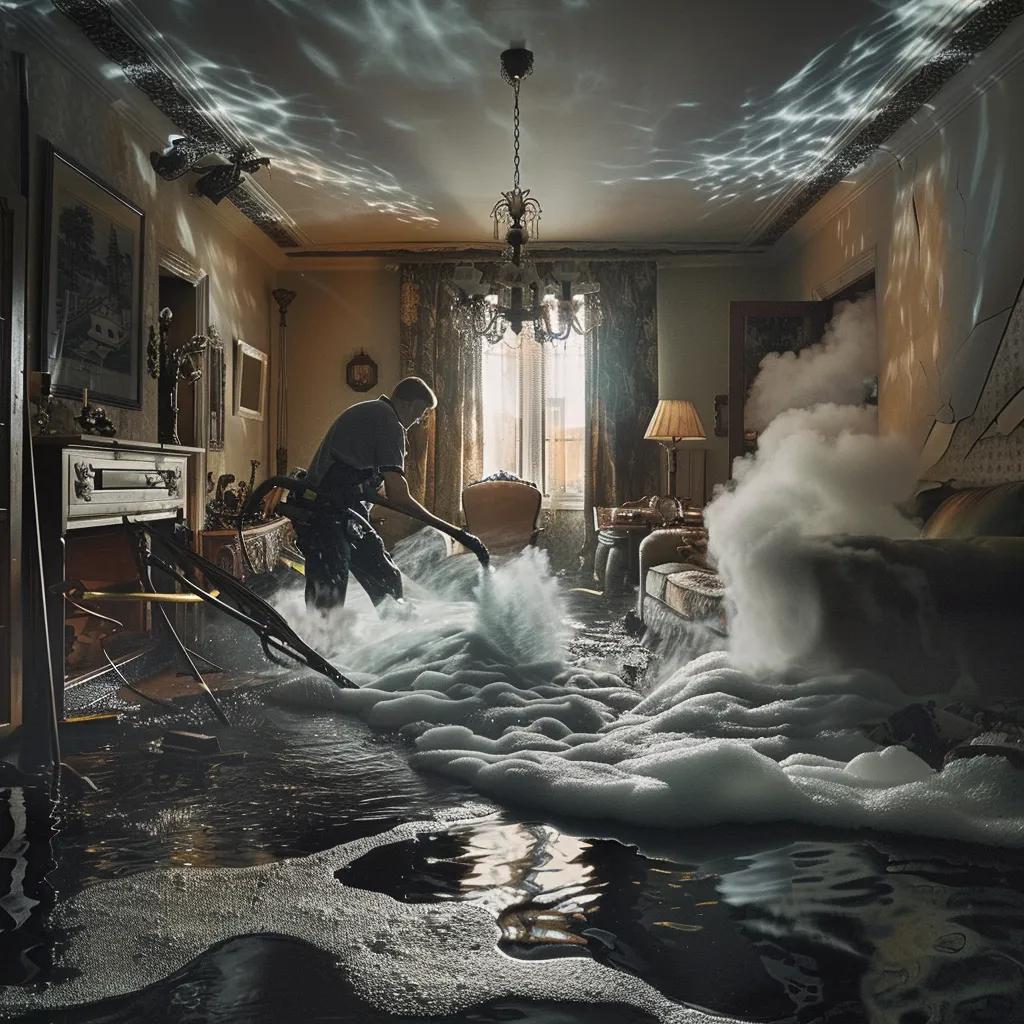
Water extraction hinges on powerful, industrial-grade pumps and high-capacity vacuums to remove standing water before it soaks deeper into subfloors and drywall. Swift action is paramount to prevent further damage and mold growth.
Our key extraction methods include:
- **Portable and Truck-Mounted Pumps:** For high-volume water removal, ensuring rapid clearance.
- **Submersible Pumps:** Ideal for basement floods and efficiently removing trapped water.
- **Self-Priming Trash Pumps:** Specifically designed for gray and black water containing debris, ensuring safe and effective removal.
Swift extraction dramatically lowers humidity, curtails material deterioration, and establishes the essential foundation for thorough structural drying.
What Are the Steps for Drying, Dehumidification, and Mold Prevention?
Efficient structural drying and humidity control are critical to preventing mold colonization by eliminating residual moisture from walls, carpets, and furniture. Our meticulous drying protocol ensures your home is truly dry and safe.
A concise drying protocol features:
- **Strategic Placement of Industrial Air Movers:** To enhance evaporation and target moisture effectively.
- **Use of Commercial Dehumidifiers:** To capture airborne moisture, reducing overall humidity levels.
- **Continuous Moisture Monitoring:** To confirm that precise drying targets are met, leaving no hidden moisture.
- **Application of Antimicrobial Agents:** To inhibit mold growth and ensure a healthy environment.
Achieving balanced humidity levels under 50% and moisture content within safe thresholds ensures mold spores cannot thrive, safeguarding your property’s health standards and preventing future issues.
How Is Fire Damage Cleaned, Including Soot and Odor Removal?
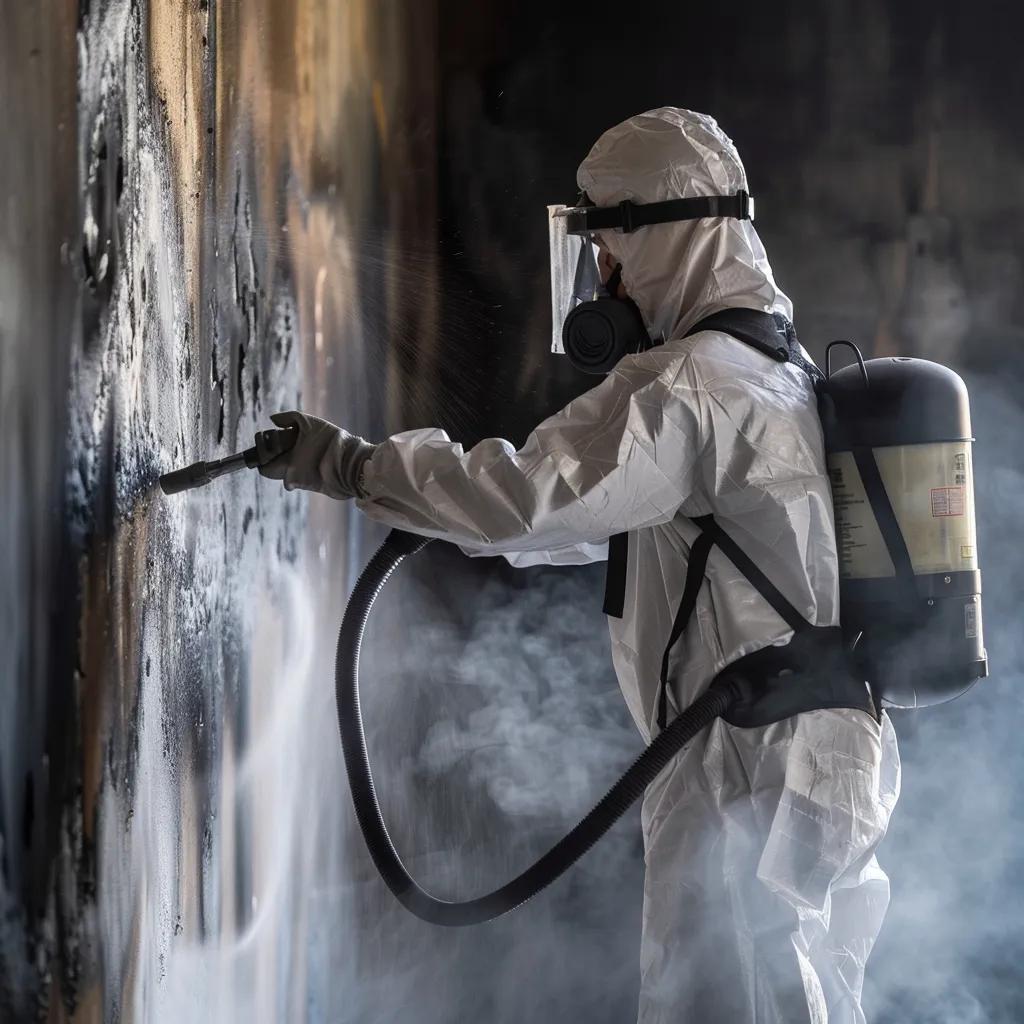
Fire damage cleanup combines advanced mechanical and chemical strategies to meticulously remove char, soot, and pervasive smoke odor from structural elements and contents. Our specialists employ a multi-faceted approach:
| Entity | Attribute | Value |
|---|---|---|
| HEPA Vacuum | Particulate Removal | Captures microscopic soot from surfaces and ducts, ensuring thorough cleaning. |
| Soot Sponge | Surface Cleaning | Loosens and lifts embedded carbon residues from delicate and porous surfaces. |
| Ozone and Thermal Fogging | Odor Neutralization | Breaks down smoke compounds at a molecular level, eliminating lingering odors. |
Following this targeted cleaning, airtight odor sealing and powerful air scrubbing restore indoor air quality to safe, breathable conditions. These comprehensive techniques ensure that no hidden contamination remains before reconstruction begins, giving you a truly fresh start.
Fire Damage Restoration Techniques
This source validates the use of specific techniques and technologies in fire damage restoration, as described in the article.
What Does the Final Restoration and Repair Involve?
Final restoration covers the crucial reconstruction and cosmetic repairs needed to return your home or business to its pre-loss appearance and full function. This stage includes essential work like drywall replacement, expert painting, precise flooring installation, and structural carpentry. Coordinating seamlessly with licensed contractors and inspectors, our dedicated project managers oversee every detail—from permit acquisition to the finishing touches—to deliver a seamless, high-quality rebuild. Completing this phase restores not only your property’s value but also your homeowner confidence and daily routines.
Why Choose National Emergency Water Damage Experts for Your Restoration Needs?
Choosing a restoration partner means relying on proven expertise, advanced technology, and unwavering availability to protect your home when disaster strikes. National Emergency Water Damage Experts offers IICRC-certified technicians, state-of-the-art equipment, comprehensive insurance assistance, and deep local knowledge to accelerate your recovery and relieve homeowner stress. We’re not just restoring your property; we’re restoring your peace of mind.
How Do Certified Technicians and Advanced Equipment Ensure Quality?
Our IICRC-certified technicians undergo rigorous, industry-leading training in water mitigation, fire restoration, and mold remediation standards. Equipped with the most advanced pumps, dehumidifiers, thermal cameras, and HEPA filtration systems, our team precisely diagnoses hidden moisture pockets, targets contamination with unparalleled accuracy, and documents progress in real time. This powerful combination of unparalleled expertise and cutting-edge technology ensures every restoration step meets or exceeds professional best practices, delivering superior results you can trust.
What Is the Importance of 24/7 Emergency Availability and Rapid Response?
Emergencies don’t adhere to office hours, and delaying action even for a moment exacerbates damage, accelerates mold growth, and increases structural risks. By offering around-the-clock dispatch and our “Faster to Any Size Disaster” service pledge, we minimize loss, stabilize affected areas, and restore safety within hours of your initial call. This rapid mobilization is absolutely essential to preserve your property and protect your health, giving you immediate relief when you need it most.
How Does Insurance Claims Assistance Simplify the Restoration Process?
Navigating complex insurance paperwork can be overwhelming and stressful during a crisis. Our dedicated insurance claims specialists work directly with carriers to meticulously document losses, submit detailed estimates, and handle direct billing, significantly reducing your out-of-pocket expenses and administrative hurdles. This streamlined support accelerates claim approval and fosters a transparent, stress-free recovery process, allowing you to focus on what matters most: getting your life back to normal.
What Local Expertise Does the Company Offer for Faster Service?
With highly trained technicians strategically dispatched from nearby service areas, we leverage intimate knowledge of regional weather patterns, local building codes, and common disaster types—from hurricanes on the Gulf Coast to severe winter freeze events in northern climates. Our local staging ensures shorter travel times, familiarity with local inspectors, and rapid permit processing, all contributing to a faster, more efficient, and truly seamless restoration experience tailored to your community.
Empowering You: How Homeowners Can Prevent Future Fire and Water Damage
Proactive prevention significantly reduces your home’s vulnerability to leaks, floods, fires, and mold infestations by addressing common failure points and adopting routine maintenance. Implementing these preventive strategies boosts your home’s resilience and lowers long-term repair expenses, giving you greater peace of mind.
What Are Effective Tips to Prevent Water Damage and Mold Growth?

Effective water damage prevention relies on regular inspections, diligent maintenance, and timely repairs. Here are our key recommendations to protect your home:
- **Seal Foundation Cracks and Grade Soil:** Divert runoff away from your home’s foundation to prevent water intrusion.
- **Clean Gutters and Downspouts Seasonally:** Prevent roof backups and overflowing, which can lead to fascia and foundation damage.
- **Install Water-Alarm Sensors:** Place them near appliances, water heaters, and sump pumps for early leak detection.
- **Schedule Annual Plumbing and Roof Inspections:** Proactive checks of fixtures, seals, and roof penetrations can catch issues before they escalate.
Routine vigilance interrupts moisture intrusion before it evolves into structural damage or pervasive mold colonization, saving you significant stress and expense.
When Should Homeowners Schedule Mold Inspections and Air Quality Testing?
Professional mold assessments and indoor air quality tests are highly recommended whenever you notice unexplained odors, experience allergy-like symptoms, or have a history of water events in your home. Scheduling inspections within 24–48 hours after any significant water intrusion or before returning post-remediation ensures that hidden microbial growth is identified and addressed promptly, safeguarding your family’s health and your property’s integrity.
Water Damage and Mold Growth
This EPA guide supports the article’s emphasis on the speed of mold growth and the importance of immediate professional intervention after water damage.
How Can Fire Risks Be Minimized in Residential Properties?
Reducing fire risk involves adopting safe practices, ensuring proper equipment, and maintaining awareness of potential ignition sources. Homeowners should prioritize these measures to protect their families and properties:
- **Install and Maintain Smoke Alarms:** Place them on every level of your home and inside all bedrooms, testing them monthly.
- **Keep Fire Extinguishers Accessible:** Ensure they are readily available in kitchens, garages, and utility rooms, and know how to use them.
- **Clean Dryer Vents and Avoid Overloading Electrical Outlets:** These are common sources of residential fires.
- **Store Flammable Materials Safely:** Keep them away from heat sources, pilot lights, and electrical units.
These proactive measures significantly lower the likelihood of ignition and speed detection and response when fire threats emerge, potentially saving lives and property.
The Power Behind Our Process: Equipment and Technology in Fire and Water Damage Restoration
At National Emergency Water Damage Experts, we leverage advanced tools and diagnostics to ensure superior results. Our cutting-edge equipment enables our technicians to precisely locate hidden damage, remove contaminants effectively, and verify the success of every restoration effort. By utilizing industry-leading machinery, we guarantee efficient mitigation and lasting protection for your home.
How Do Dehumidifiers and Air Movers Aid in Water Damage Drying?
Structural drying hinges on high-capacity air movement and powerful moisture extraction to prevent secondary damage like mold growth and structural warping. Our specialized equipment is designed for maximum efficiency:
| Equipment | Attribute | Value |
|---|---|---|
| Industrial Dehumidifier | Moisture Removal | Removes up to 200 pints of water per day, rapidly reducing humidity. |
| Centrifugal Air Mover | Air Circulation | Generates 3,500 CFM to accelerate evaporation across affected surfaces. |
By combining targeted airflow with powerful dehumidification, these machines restore humidity levels under 50% within hours, preventing mold and structural warping, and ensuring your home is thoroughly dry.
What Role Do Thermal Imaging Cameras and Moisture Meters Play?
Thermal imaging cameras are invaluable for detecting temperature differentials behind walls, ceilings, and floors, instantly revealing hidden moisture pockets or heat-damaged areas that are invisible to the naked eye. Paired with electronic moisture meters that precisely quantify moisture content in various materials, these advanced tools guide our technicians to focus drying and extraction efforts exactly where they’re needed most, ensuring no moisture is left behind.
How Are HEPA Vacuums and Soot Sponges Used in Fire Damage Cleanup?
High-efficiency particulate air (HEPA) vacuums are essential for capturing microscopic soot particles from carpets, upholstery, and ductwork, ensuring thorough removal. Simultaneously, specialized dry cleaning sponges (soot sponges) effectively lift carbon residues from walls and delicate surfaces without smearing. By using these specialized devices within negative-pressure enclosures contained by powerful air scrubbers, we ensure soot and smoke particulates are removed without cross-contamination, meticulously restoring surface appearance and dramatically improving indoor air quality.
Navigating the Aftermath: What Homeowners Should Know About Insurance Claims
Navigating insurance claims effectively ensures timely funding for restoration and minimizes financial strain during an already stressful time. A clear grasp of the process, required documentation, and available billing options helps homeowners focus on recovery—not paperwork. We’re here to help simplify this complex process for you.
How Does the Insurance Claims Process Work After Damage Occurs?
As a homeowner, your first step should be to notify your insurance carrier as soon as possible to report the loss. Typical steps in the claims process include:
- Claim Initiation: Contact your insurer, provide incident details, and policy information to start your claim.
- Adjuster Inspection: Schedule a property walkthrough with an adjuster to document the damage thoroughly.
- Estimate Review: Coordinate closely with our restoration professionals to finalize the scope of work and associated costs.
- Approval and Disbursement: Receive claim authorization and funds to commence the necessary restoration work.
What Documentation Is Needed for Successful Insurance Claims?
Accurate and comprehensive paperwork is vital for securing maximum coverage and a smooth claims process. Essential records include:
- Photographs and Videos: Capture extensive visual documentation of all damage *before* mitigation begins.
- Detailed Inventory: Create a thorough list of all affected items, including descriptions and estimated values.
- Copies of Estimates and Invoices: Keep all repair estimates and professional invoices from our services.
- Correspondence Logs: Maintain records of all communications with insurers, adjusters, and contractors.
How Does Direct Billing to Insurance Companies Benefit Homeowners?
Direct billing allows National Emergency Water Damage Experts to invoice your insurers directly for services rendered, significantly reducing your upfront out-of-pocket expenses during a challenging time. This streamlined approach offers several key benefits:
- Eliminates Payment Delays: You won’t have to wait for reimbursement, allowing work to proceed faster.
- Simplifies Accounting: We handle all cost forwarding to insurers, reducing your administrative burden.
- Prevents Coverage Surprises: Thanks to pre-approved scopes of work, you’ll have clear expectations of coverage.
Direct billing enhances transparency and financial ease, allowing you to focus on your recovery process with less stress.
Your Questions Answered: Frequently Asked Questions About Emergency Fire and Water Damage Restoration
Homeowners often have urgent questions about immediate actions after damage, realistic timelines, mold risks, cost expectations, and service distinctions. Addressing these topics empowers you to make informed decisions and sets proper expectations. The next sections offer clear, direct guidance to help you navigate this challenging time.
What Should I Do Immediately After Fire or Water Damage?
Your safety is paramount. First, confirm all occupants are safe and immediately shut off utilities (water, gas, electricity) if it’s safe to do so. Then, contact emergency services if needed. Document all visible damage with photos and videos, and most importantly, call National Emergency Water Damage Experts at our 24/7 hotline: 1-800-RESCUE-NOW. Early notification triggers our rapid assessment and board-up services, preventing further weather intrusion or vandalism and starting your path to recovery.
How Long Does Water Damage Restoration Usually Take?
Standard water damage restoration typically takes 3–7 days, depending on the scope of damage, building materials involved, and drying conditions. Initial extraction and drying often require 24–48 hours, followed by meticulous cleaning, antimicrobial treatment, and reconstruction phases. While complex or widespread damage may extend the project duration, our continuous moisture monitoring ensures every affected area meets dryness standards before any repairs begin, guaranteeing a thorough restoration.
Can Mold Grow Quickly After Water Damage?
Yes, mold can begin colonizing within a mere 24–48 hours of moisture exposure, posing significant health risks and structural harm to your home. Rapid water extraction, thorough drying, and immediate antimicrobial application are absolutely critical to interrupt the mold lifecycle and maintain healthy indoor air quality. Engaging professionals immediately reduces the scope of remediation needed and prevents expensive, extensive mold abatement, protecting your family and your investment.
Water Damage and Mold Growth
This EPA guide supports the article’s emphasis on the speed of mold growth and the importance of immediate professional intervention after water damage.
How Much Does Fire and Water Damage Restoration Cost?
Restoration costs vary based on the category of damage, the affected square footage, and the extent of required repairs. Typical factors include the volume of water extraction, duration of equipment rental, antimicrobial treatments, structural repairs, and content restoration. We provide a free, transparent on-site estimate that outlines all charges, and our dedicated insurance assistance ensures you only pay approved deductibles, making the financial process as clear and manageable as possible.
What Is the Difference Between Water Mitigation and Restoration?
Water mitigation focuses on immediate, critical actions—such as water removal, drying, and dehumidification—to halt damage progression and prevent further harm. Restoration, on the other hand, encompasses the full rebuild: replacing drywall, refinishing surfaces, deodorizing, and completing all final repairs to return your home to its pre-loss condition. Mitigation lays the essential groundwork for successful restoration by stabilizing conditions and minimizing long-term losses, ensuring a comprehensive recovery.
Ready to Restore Your Peace of Mind?
Don’t let fire or water damage leave you feeling helpless. Our expert team is available 24/7 to provide rapid, reliable restoration services.