The Complete Process of Fire Damage Restoration Services
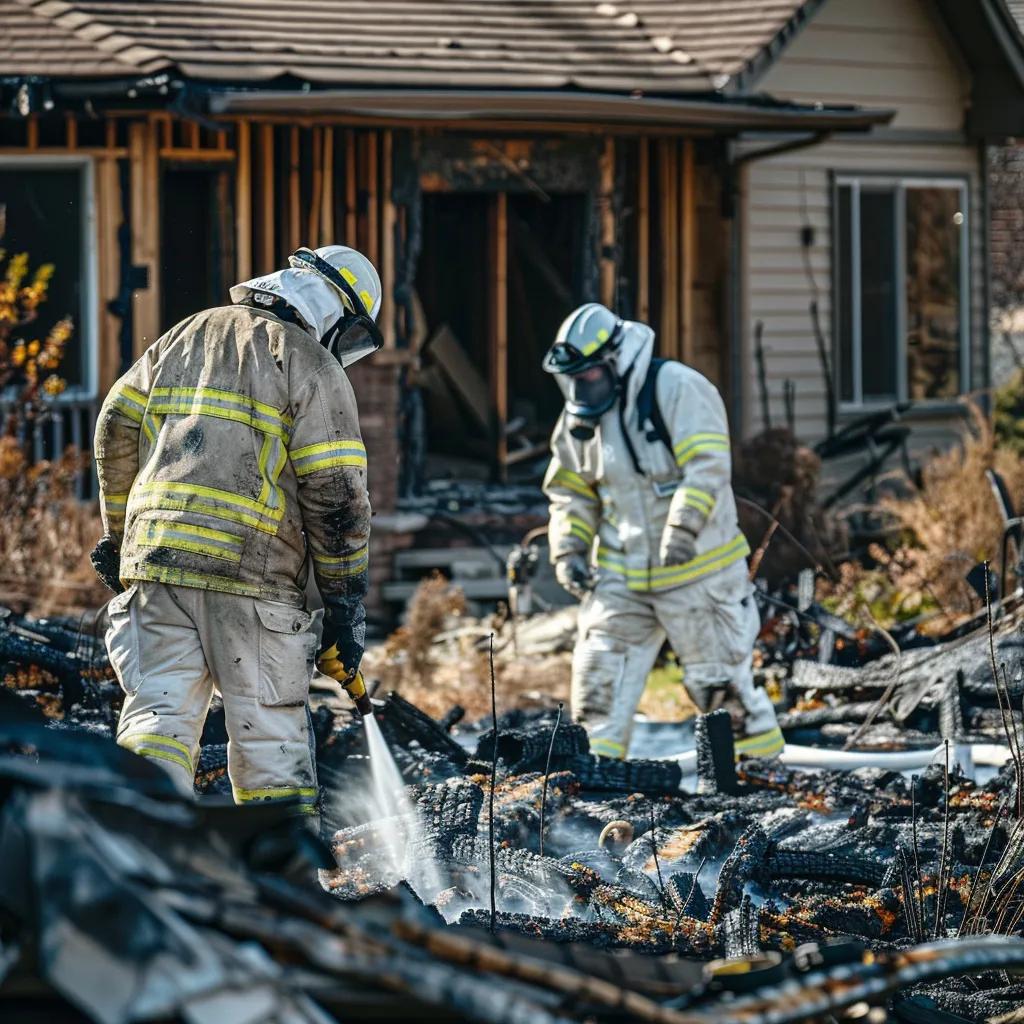
Emergency Fire Damage Restoration Services: Cleanup to Final Repairs
The aftermath of a fire can leave homeowners feeling utterly overwhelmed, facing a landscape of uncertainty and loss. But you don’t have to navigate this challenging path alone. By reaching out to a 24/7 emergency water damage restoration service, you unlock immediate access to expert fire damage restoration. Our certified professionals are ready to secure your property, eliminate hazards, and meticulously restore your home from charred remnants to safe, livable spaces once more. In this comprehensive guide, we’ll walk you through:
- The critical first steps to protect lives and property in the immediate aftermath of a fire.
- A detailed, phase-by-phase breakdown of our proven fire damage restoration process.
- Specialized techniques for comprehensive smoke, soot, water, and mold remediation.
- Expert guidance on navigating complex insurance claims and understanding cost estimates.
- Why IICRC certification and round-the-clock availability are non-negotiable for your peace of mind.
- Practical tips to keep your family safe and comfortable throughout the restoration journey.
Together, these insights form a complete roadmap, guiding you from the initial emergency response through to the final client approval, ensuring your home’s restoration is efficient, transparent, and built on trust.
What Are the Immediate Steps After a Fire?
Once the flames are extinguished, the critical moments that follow demand swift and precise action. Your immediate response can significantly maximize safety and minimize long-term damage. These crucial first steps include securing the scene, contacting certified professionals, and preventing any further harm until our expert remediation teams arrive.
How Do You Ensure Safety After a House Fire?
Ensuring safety after a house fire is paramount. This means carefully checking for structural integrity, strictly avoiding any unstable areas, and always using protective gear to minimize injury. Wearing sturdy boots and respirators is essential to prevent cuts and the inhalation of hazardous ash or chemical residues. Immediately turning off gas and electricity at the main panel eliminates the risk of leaks or sparks. Clear signage or tape around unsafe zones will keep family members and visitors away from danger while you await our experts.
When Should You Contact Fire Damage Restoration Professionals?
Contact fire damage restoration professionals the moment the fire department gives the all-clear. Engaging certified technicians immediately is crucial to prevent secondary issues like hidden water intrusion, rapid mold growth, and corrosive damage to electrical systems. This early intervention preserves more of your salvageable materials, drastically reduces cleanup time, and accelerates your path back to normalcy and comfort.
What Should You Avoid Doing Before Restoration Begins?
Before our restoration teams arrive, it’s vital to avoid certain actions that could worsen the damage or complicate your insurance claim. Do not attempt to clean soot-covered surfaces, turn on HVAC systems, or discard damaged items without proper documentation. Disturbing debris can inadvertently spread soot and smoke particles deeper into ductwork and upholstery. Always document all damage with photographs to support your insurance claims, and wait for a professional assessment to guide the most efficient cleanup and rebuilding efforts.
What Is the Complete Fire Damage Restoration Process?
Our structured approach ensures that every category of damage—fire, smoke, soot, and water—is meticulously addressed. Our certified experts follow a comprehensive six-phase process, delivering a complete recovery from the initial inspection through to your final approval.
Fire Damage Restoration Process
Fire damage restoration is a meticulously structured, multi-phase approach designed to tackle the diverse types of damage left behind by a fire, including the direct impact of flames, pervasive smoke, stubborn soot, and extensive water damage. Our certified experts adhere to a rigorous six-phase process: initial inspection, thorough water removal, precise smoke and soot removal, comprehensive cleaning and sanitizing, expert structural repairs, and finally, client approval. This ensures a complete and seamless recovery from any fire incident.
This framework, endorsed by leading industry standards, underpins our commitment to a thorough and effective restoration process, guiding every step we take to bring your property back to life.
How Is the Initial Fire Damage Assessment Conducted?
The initial fire damage assessment is the cornerstone of your restoration journey. It meticulously establishes the full scope and scale of restoration needs by evaluating structural damage, smoke infiltration, water intrusion, and the condition of your contents. Our technicians document findings room by room, carefully noting compromised load-bearing elements and contamination levels. This crucial evaluative groundwork informs precise resource allocation, accurate timeline estimates, and stringent safety protocols for every subsequent step, ensuring a tailored and effective recovery plan.
What Happens During Water Removal and Drying After Fire?
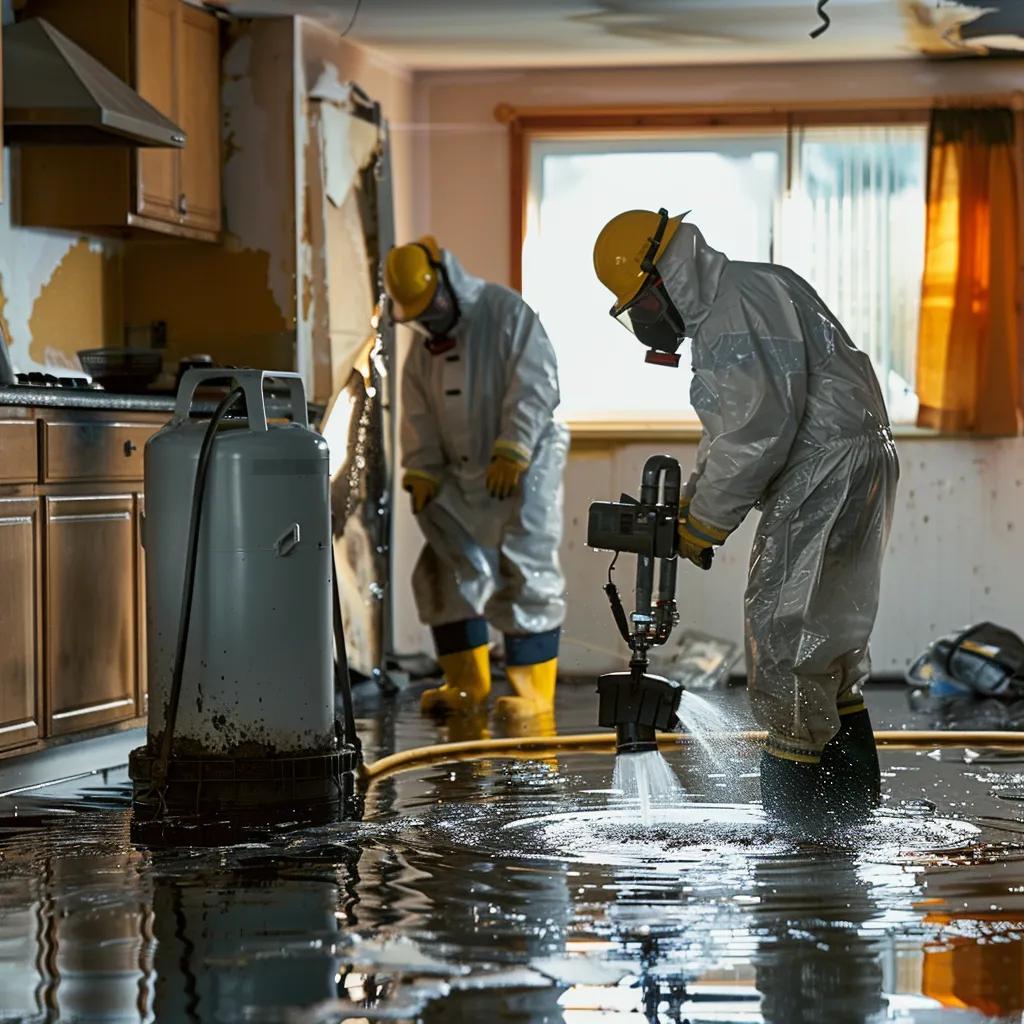
Water extraction is a critical, immediate step when sprinkler systems or firefighting efforts have saturated building materials. Our technicians deploy high-capacity pumps and industrial wet-vacs to swiftly remove all standing water. Strategic placement of powerful air movers and dehumidifiers then accelerates the drying process by circulating warm, dry air and rapidly lowering humidity. We continuously monitor moisture levels with advanced thermal imaging and hygrometers, ensuring all structural elements return to safe, dry conditions before any repairs begin, preventing secondary damage like mold.
How Are Smoke and Soot Removed Effectively?
Our certified specialists employ advanced techniques for effective smoke and soot removal. We use specialized vacuum systems equipped with HEPA filtration to meticulously capture loose soot particles from all surfaces and air ducts. Dry-chemical sponges are then expertly used to lift ingrained residues from walls and ceilings without smearing. For pervasive odors, thermal fogging applies deodorizing solvent vapors that penetrate deeply into porous materials, neutralizing smoke odors at a molecular level. This powerful combination of mechanical and chemical techniques fully restores air quality and the appearance of your home.
What Cleaning and Sanitizing Steps Are Involved?
Our comprehensive cleaning and sanitizing process is designed to eliminate all health hazards and ensure a truly livable environment. Technicians apply EPA-registered antimicrobial solutions to thoroughly disinfect hard surfaces, followed by fogging treatments that reach even hidden cavities. Our contents pack-out services carefully transport your furniture and personal items to specialized cleaning facilities, where advanced ultrasonic cleaning and sealed drying chambers meticulously remove contaminants. All reintroduced items are guaranteed odor-free and fully sanitized before being returned to your restored home.
How Are Structural Repairs and Restoration Completed?
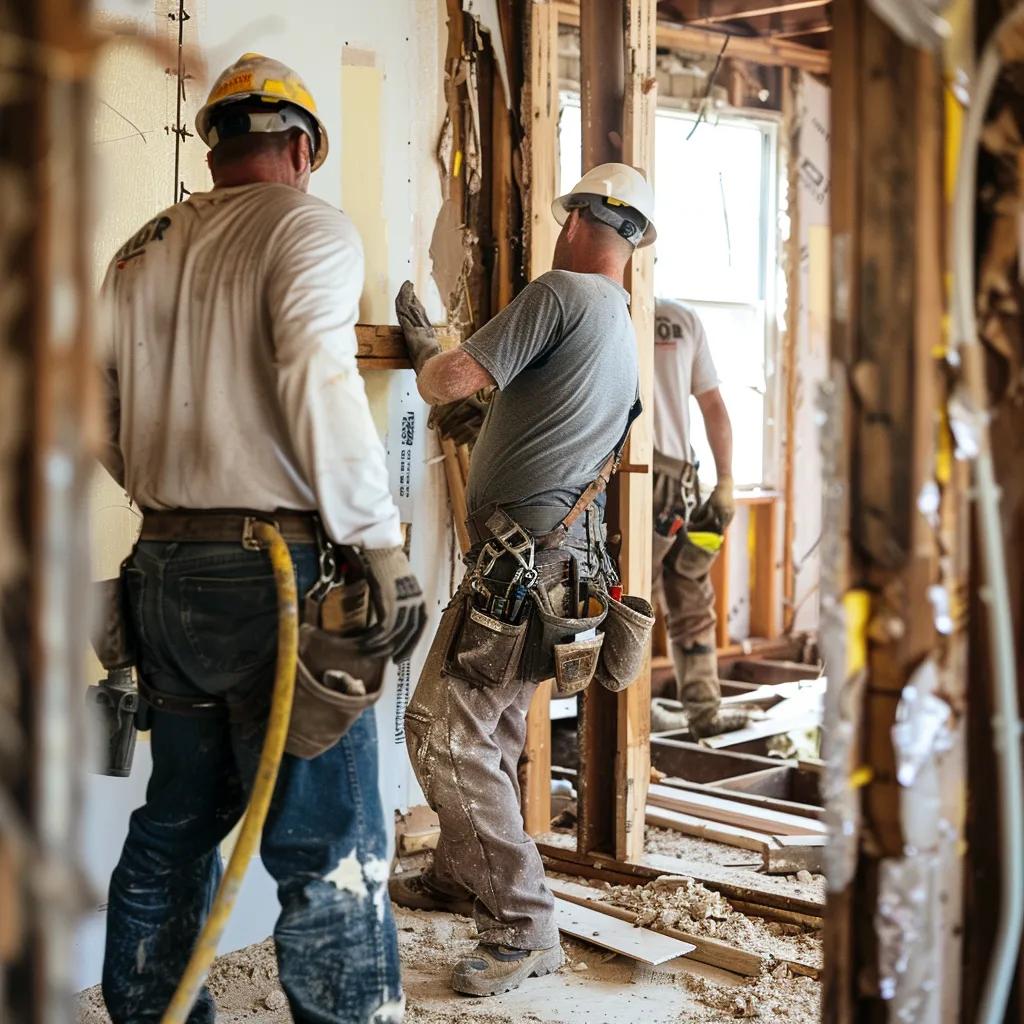
Structural repairs are where we meticulously rebuild and restore your home’s integrity and aesthetics. This phase includes essential framing replacement, precise drywall installation, and insulation upgrades to reestablish building integrity and energy efficiency. Exterior repairs can encompass roof replacement, siding restoration, and window glazing. The final finish work—painting, trim, and flooring—meticulously restores your home’s original appearance. Throughout this crucial phase, our dedicated project managers expertly coordinate all subcontractors and rigorously inspect quality, ensuring every repair meets or exceeds the highest industry standards, bringing your sanctuary back to life.
What Is the Final Walk-Through and Client Approval Process?
The final walk-through is your moment to confirm that all restoration objectives have been met to your complete satisfaction. Together with your dedicated project manager, you will meticulously inspect each room, verifying that structural repairs, cleaning, and odor removal meet your highest expectations. Our technicians will address any remaining concerns on the spot, ensuring every detail is perfect. Your sign-off triggers project completion, unlocking comprehensive warranties on workmanship and equipment, and marking the triumphant return of a fully restored, safe, and comfortable home.
How Does Smoke Damage Restoration Work?
A dedicated smoke restoration protocol is essential to thoroughly remove residues and odors, safeguarding both your health and your home’s structure from lingering contamination. Our specialized approach ensures no trace of smoke remains.
What Are the Common Signs of Smoke Damage in a Home?
Smoke damage often leaves distinct and pervasive signs, including:
- Discolored surfaces with tell-tale yellow-brown stains on walls and ceilings.
- Lingering, acrid odors that persist despite ventilation efforts.
- Tacky, greasy residues on electrical switches, plumbing fixtures, and glass surfaces.
Noticing these indicators early is crucial, as it guides our targeted remediation efforts and prevents deeper, more pervasive penetration into drywall and fabrics, ensuring a more efficient and complete restoration.
Which Techniques Are Used for Smoke Odor Removal?
Effective smoke odor removal requires a multi-faceted approach that combines cutting-edge techniques:
- Thermal Fogging to deeply penetrate and neutralize odors within porous materials.
- Ozone Treatment to powerfully oxidize airborne smoke compounds, breaking them down at a molecular level.
- Hydroxyl Generators for continuous, safe indoor air purification, actively scrubbing the air clean.
Implementing these advanced methods together ensures the complete restoration of fresh air quality, eliminating odors at their source for lasting relief.
How Does Smoke Damage Affect Indoor Air Quality?
Smoke contamination introduces harmful volatile organic compounds (VOCs) and fine particulate matter into your indoor air, significantly increasing respiratory irritation and posing long-term health risks. Our expert process focuses on meticulously removing these dangerous pollutants through advanced filtration, strategic ventilation, and chemical neutralization. This comprehensive approach dramatically improves air quality, directly supports the well-being of your family, and prevents secondary damage to your HVAC systems, ensuring a truly healthy living environment.
What Should You Know About Soot Damage Cleanup?
Soot, an oily, abrasive byproduct of incomplete combustion, can cause severe staining and corrosion if not handled with expert care. Understanding its unique properties is key to effective cleanup.
How Is Soot Different from Smoke Damage?
While related, soot and smoke damage require distinct approaches. Soot consists of tangible, carbon-rich particles that settle on surfaces, creating visible residue. In contrast, smoke damage refers to the gas-phase byproducts and pervasive odors that permeate materials and air. Therefore, soot cleanup primarily relies on mechanical removal, whereas smoke remediation specifically targets the elimination of odors and chemical residues, ensuring a comprehensive restoration.
What Are Professional Soot Removal Methods?
Our expert technicians employ specialized methods for thorough soot removal, including:
- Dry-chemical sponges that effectively absorb oily residues without smearing.
- HEPA-filtered vacuuming to meticulously capture loose particles from all surfaces and air.
- Solvent-based detergents specifically formulated for stubborn stains on resilient materials like metal or masonry.
These precise methods ensure surfaces are restored to their pre-damage condition without causing any abrasion or further smearing, preserving your home’s integrity.
How Can You Protect Surfaces During Soot Cleanup?
Protecting your home’s surfaces during soot cleanup is paramount to prevent further damage. Our protective steps include meticulously covering unimpacted areas with plastic sheeting, applying specialized surface sealants to prevent re-soiling, and using gentle, pH-balanced cleaners that maintain the integrity of your paint and finishes. This careful preparation ensures that undamaged materials are preserved throughout the entire cleaning process, safeguarding your home’s beauty and value.
What to Expect from Water Damage Restoration After Fire?
Water damage often presents a significant secondary threat after a fire, demanding specialized extraction, thorough drying, and proactive mold prevention to fully safeguard your home’s structure and your family’s health.
Why Is Water Extraction Essential After Fire Damage?
Rapid water extraction is absolutely critical after fire damage. It immediately halts material deterioration by removing excess moisture that can warp wood, degrade drywall, and rapidly foster microbial growth. This swift removal not only protects your structural elements from further harm but also significantly speeds up the overall restoration timeline, getting you back into your home faster.
What Equipment Is Used for Drying and Dehumidification?
Our commitment to thorough drying and dehumidification relies on state-of-the-art equipment, ensuring your property is returned to optimal conditions:
| Equipment | Attribute | Value |
|---|---|---|
| Desiccant Dehumidifier | Moisture Reduction | Lowers indoor humidity to 30–50% for accelerated, deep drying |
| Axial Air Mover | Air Circulation | Delivers high-velocity airflow to speed evaporation across surfaces |
| Negative Air Machine | Air Filtration | Removes airborne particles and maintains superior indoor air quality |
How Is Mold Prevention Managed Post-Water Damage?
Effective mold prevention post-water damage is a cornerstone of our restoration process. Our technicians apply EPA-registered antimicrobial coatings to all porous materials, maintain continuous, powerful air movement, and meticulously monitor moisture levels daily. Dehumidification units run relentlessly until readings indicate stable, safe humidity levels. These proactive steps are crucial to prevent mold spores from taking hold in hidden cavities and structural voids, safeguarding your home and health long-term.
How Does Mold Remediation Work After Fire Damage?
Mold can unfortunately flourish in damp, dark spaces following water removal if not proactively and expertly addressed. Our mold remediation process is designed to eliminate this threat thoroughly and safely.
What Causes Mold Growth After Fire and Water Damage?
Mold develops when the perfect storm of moisture, organic materials, and warm temperatures coincides within building cavities. Water intrusion from firefighting efforts often saturates drywall, insulation, and wood framing, creating ideal conditions for dormant fungal spores to rapidly germinate and spread. Our experts understand these triggers and act swiftly to prevent widespread growth.
What Are the Steps for Safe Mold Removal?
Our protocol for safe and effective mold removal is rigorous and comprehensive:
- Containment of affected zones using negative-pressure barriers to prevent spread.
- HEPA Filtration of air to meticulously prevent cross-contamination throughout your home.
- Mechanical Removal of all mold-infested materials, ensuring complete eradication.
- Antimicrobial Treatment of all exposed surfaces to inhibit future growth.
- Post-Remediation Verification through independent clearance testing to confirm a mold-free environment.
This meticulous protocol ensures thorough removal and provides absolute confirmation of a healthy, mold-free environment for your family.
How Can Mold Prevention Be Maintained Long-Term?
Maintaining long-term mold prevention is key to a healthy home. This involves consistently keeping indoor humidity below 50%, promptly repairing any leaks, and scheduling periodic moisture inspections in vulnerable areas like basements and attics. Installing vapor barriers and ensuring adequate ventilation in bathrooms and kitchens further significantly reduces fungal risk, providing lasting peace of mind.
How Do Fire Damage Insurance Claims Work?
Navigating fire damage insurance claims can be complex, but with prompt documentation, professional support, and a clear understanding of your policy coverages, you can achieve a smoother, more favorable outcome.
What Documentation Is Needed for Fire Damage Claims?
To expedite your fire damage claim and ensure a fair settlement, your insurer will typically require comprehensive documentation, including:
- Photographic Evidence of all damaged areas and contents, capturing the full extent of the loss.
- Detailed Inventory Lists with precise item descriptions and estimated values for all personal property.
- Official Fire Department Reports verifying incident details and the cause of the fire.
- Restoration Estimates from licensed, reputable contractors like us, outlining the scope and cost of repairs.
Organizing these documents meticulously will significantly expedite claim approval and settlement, reducing your stress.
How Can Restoration Companies Assist with Insurance?
Our restoration professionals are your expert advocates when it comes to insurance. We work directly with adjusters, providing detailed line-item estimates, transparent progress reports, and robust validation of repair scopes. Our comprehensive technical documentation and industry certifications support accurate coverage decisions, helping to prevent claim disputes and ensuring you receive the full benefits you’re entitled to under your policy.
What Are Common Insurance Coverage Questions for Fire Damage?
Policyholders frequently have questions about their fire damage coverage. Common inquiries include whether smoke damage is fully covered, how depreciation affects payouts for personal property, and if temporary housing costs (Additional Living Expenses or ALE) qualify for reimbursement. Understanding your policy’s dwelling, personal property, and ALE sections is crucial. We’re here to help clarify these boundaries and your out-of-pocket responsibilities, ensuring you’re fully informed.
Why Choose IICRC Certified Fire Damage Restoration Experts?
Partnering with IICRC-certified technicians isn’t just a choice; it’s an assurance. It guarantees adherence to the highest industry-standard practices, ethical conduct, and verifiable expertise in every single phase of your restoration journey, providing unparalleled peace of mind.
What Is IICRC Certification and Why Does It Matter?
IICRC certification signifies that our technicians have undergone rigorous, specialized training in fire and water restoration standards, including the globally recognized S500 and S520 guidelines. This prestigious credential demonstrates an unwavering commitment to competence in inspection, mitigation, and quality control. For you, it means the absolute assurance of professional, consistent, and superior results, every time.
IICRC Certification Importance
IICRC certification is the gold standard in fire damage restoration, signifying that our technicians have undergone rigorous, specialized training in the most advanced fire and water restoration standards. This crucial certification ensures that our professionals adhere to industry-leading practices, uphold the highest ethical conduct, and possess verifiable expertise throughout every stage of the restoration process, consistently delivering professional and exceptional results for your peace of mind.
This endorsement from the leading industry authority underscores our unwavering commitment to excellence and the meticulous standards our certified technicians follow, ensuring your home receives the highest level of care.
How Do Certified Technicians Ensure Quality Restoration?
Our certified teams ensure unparalleled quality restoration by meticulously following standardized protocols for every step: damage assessment, containment, cleaning, and repairs. Through ongoing education and rigorous third-party audits, we consistently maintain the highest workmanship levels. Our documented procedures guarantee reproducibility and accountability on every project, ensuring your home is restored with precision and care, meeting the most stringent quality benchmarks.
What Are the Benefits of 24/7 Emergency Fire Restoration Services?
The profound benefit of our round-the-clock availability means that damage is addressed immediately, drastically limiting structural deterioration, mitigating mold risk, and preventing costly secondary damage. Our rapid response teams are on standby to stabilize hazards, secure your property, and initiate crucial drying or de-smoking processes without a moment’s delay, helping homeowners return to normal life faster and with greater peace of mind.
What Are the Typical Costs and Timeframes for Fire Damage Restoration?
Understanding the key cost drivers and realistic project durations is essential for setting accurate expectations and making informed decisions about your fire damage restoration. We believe in complete transparency.
What Factors Influence Fire Damage Restoration Costs?
Fire damage restoration costs can vary significantly, primarily influenced by:
- Severity of Damage: The extent of structural, smoke, and water impact is the primary determinant.
- Square Footage: The total area of your home requiring cleanup, drying, and repairs.
- Contents Restoration Needs: The volume of personal property requiring careful pack-out and specialized cleaning.
- Required Repairs: The complexity of reconstruction and the need for specialized trades.
Tracking these factors precisely allows for clear budget planning and seamless alignment with your insurance coverage.
How Long Does Fire Damage Restoration Usually Take?
While every situation is unique, most residential fire restoration projects typically complete within 1 to 3 weeks. This timeframe depends on the extent of the damage, the specific drying requirements, and any necessary permitting processes. Our commitment to clear communication and expert project management ensures timelines remain predictable and transparent, keeping you informed every step of the way.
How Can You Get Accurate Restoration Estimates?
To receive the most accurate restoration estimates, we highly recommend requesting on-site visits from IICRC-certified professionals. Our experts conduct comprehensive assessments and provide detailed, itemized proposals. Comparing multiple quotes—while ensuring consistent scopes of work—will yield the most precise cost and duration projections for your personalized restoration plan, empowering you to make confident decisions.
How Can You Prepare Your Home and Family During Fire Restoration?
Effective preparation is key to minimizing disruption and safeguarding your family’s well-being as your home undergoes the restoration process. We’re here to guide you through every practical consideration.
Can You Live in Your Home During Restoration?
Depending on the severity and location of the damage, partial occupation may be possible in unaffected areas of your home. Our restoration team will carefully evaluate all safety and comfort factors—such as air quality, noise levels, and structural integrity—before recommending temporary relocation or phased living arrangements, always prioritizing your family’s safety and comfort.
What Should You Expect During Contents Pack-Out and Cleaning?
Our contents pack-out services involve the meticulous labeling, inventorying, and careful transportation of your cherished items to our secure, climate-controlled facilities. There, our expert technicians use advanced techniques like ultrasonic cleansing, ozone chambers, and secure drying chambers to restore linens, electronics, and furniture. You’ll have the ability to track the status of your items via digital inventories until their safe return to your fully restored home.
How to Communicate Effectively with Your Restoration Team?
Effective communication is the cornerstone of a smooth restoration process. We recommend establishing a single point of contact, scheduling regular progress meetings, and reviewing daily reports on completed tasks, moisture readings, and any emerging issues. Clear, consistent communication ensures you remain fully informed and confident throughout every phase of your restoration, fostering a true partnership.
Professional fire damage restoration services meticulously coordinate every aspect of cleanup, repair, and rebuilding to bring homes back to life safely and efficiently. For immediate assistance with 24/7 emergency water damage and fire restoration, call our specialists at 1-800-123-4567 or visit nationalemergencywaterdamageexperts.com to explore our comprehensive services and request a rapid, expert response.