Uncover Effective Emergency Damage Assessment Techniques
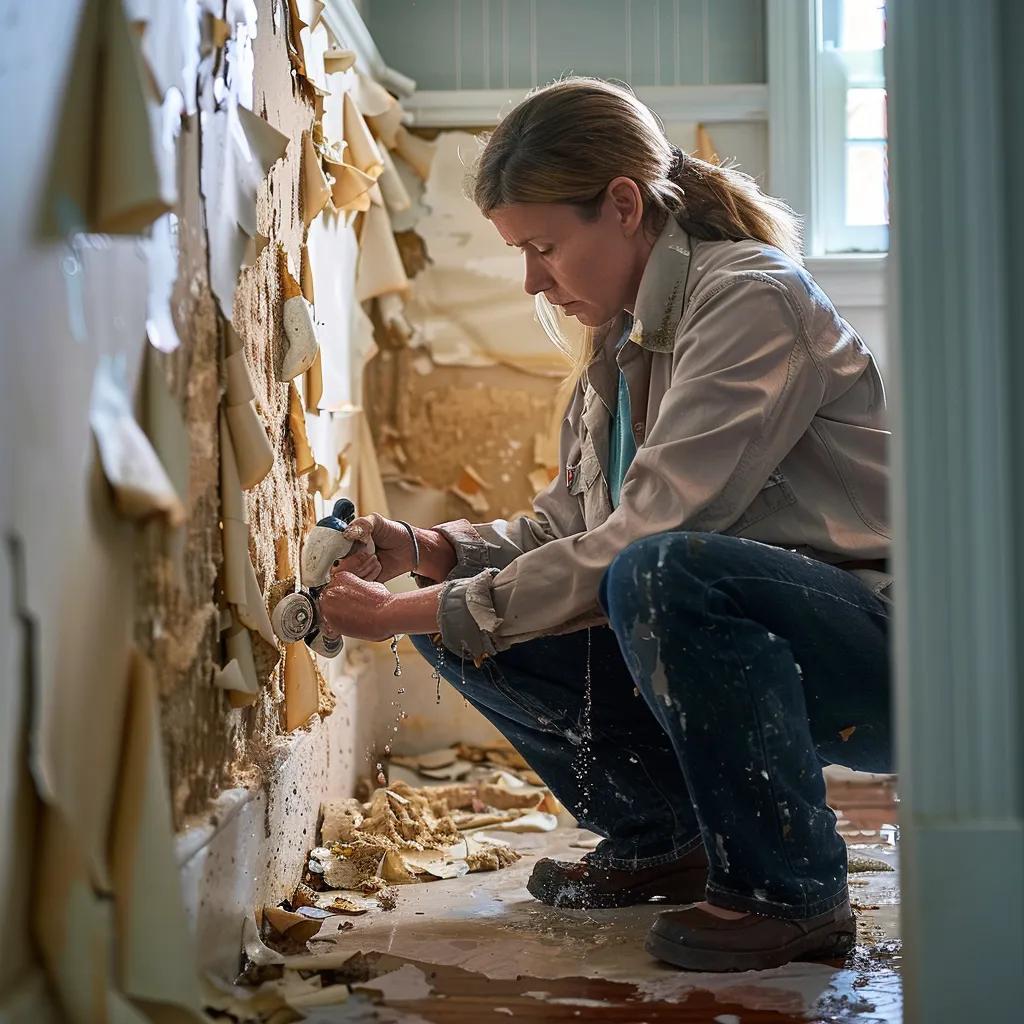
Emergency Damage Assessment Techniques Uncovered: A Homeowner’s Guide to Effective Property Evaluation
When disaster strikes, your home is vulnerable. Unforeseen water, fire, and smoke incidents threaten thousands of homes across the country every year, making swift and precise emergency damage assessment absolutely essential. In this vital guide, you’ll discover how to define and apply proven inspection methods, detect hidden damage, evaluate structural integrity, and leverage advanced technology to protect your most valuable investment. By understanding foundational principles, specialized water-, fire-, and smoke-damage protocols, and general homeowner best practices, you can act decisively and confidently. We’ll also explore the latest tools used by our certified technicians and explain when and how to contact National Emergency Water Damage Experts for 24/7 restoration support.
Essential Emergency Damage Assessment Techniques for Homeowners
Emergency damage assessment techniques involve systematic inspection, diagnostic testing, and meticulous damage mapping to quickly identify property compromise. This rapid, precise evaluation enables homeowners to minimize repair costs and prevent further structural deterioration. These methods combine visual surveys, advanced moisture readings, detailed soot analysis, and critical safety evaluations to deliver an accurate, comprehensive damage profile. Immediate evaluation supports faster mitigation, drastically reduces secondary issues like insidious mold growth or corrosive damage, and strengthens your insurance documentation, ensuring a smoother claim process.
What Does Emergency Damage Assessment Involve?
Emergency damage assessment involves four core, critical steps:
- A thorough visual inspection of all affected areas to document visible deterioration.
- Advanced diagnostic testing using state-of-the-art moisture meters, thermal imaging, and air quality monitors.
- A comprehensive structural evaluation of load-bearing components to ensure safety and stability.
- Detailed, comprehensive reporting that meticulously links all findings to precise restoration recommendations and critical insurance requirements.
By following this proven sequence, homeowners and our expert professionals create a clear, actionable roadmap for targeted remediation and robust claim support.
Why Is Immediate Damage Assessment Vital for Homeowners?
Immediate damage assessment is absolutely vital because every moment of delay allows hidden water to relentlessly weaken framing, fire residues to aggressively corrode metals, and microscopic smoke particles to deeply embed in finishes. Rapid action prevents devastating secondary damage such as microbial growth, dangerous electrical hazards, and long-term odor persistence, preserving both your home’s structural integrity and your family’s indoor air quality. Prompt evaluation also demonstrates crucial due diligence to insurers, ensuring faster claim approvals and significantly minimizing your out-of-pocket expenses.
How Do Professional Technicians Conduct Damage Assessments?
Our professional technicians conduct damage assessments by combining extensive training, industry-leading certifications, and specialized, cutting-edge tools. After meticulously securing the scene for safety, they perform precise moisture mapping with calibrated meters, capture thermal images to pinpoint concealed leaks, inspect soot deposits with advanced residue tests, and thoroughly assess HVAC and electrical systems for contamination or risk. Technicians then compile an itemized, comprehensive report complete with photographic evidence, severity ratings, and clear, recommended restoration steps, empowering homeowners to make informed, confident decisions.
How to Identify and Assess Water Damage in Your Home?
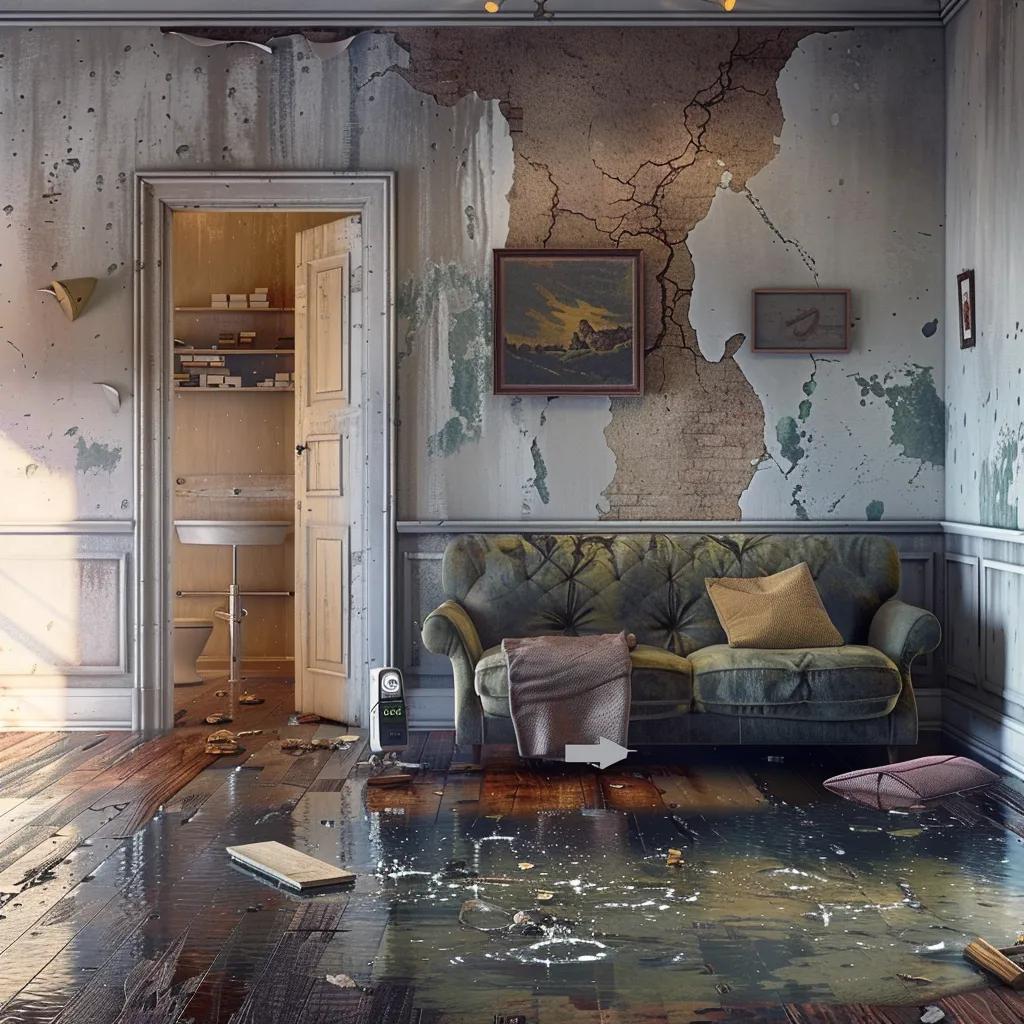
Water damage assessment is the critical first step to defining, locating, and precisely measuring moisture intrusion. This prevents devastating structural decay and serious health risks, ultimately enabling targeted restoration that restores safety, protects your property value, and brings you peace of mind. Proper assessment differentiates between obvious visible leaks and insidious hidden moisture that can silently undermine framing, drywall, and finishes, causing long-term, costly problems.
What Are the Common and Hidden Signs of Water Damage?
Visible signs of water damage include unmistakable staining, peeling paint, warped flooring, and obvious pooling. However, the most dangerous indicators are often hidden, manifesting as persistent musty odors, elevated humidity readings, insidious mold growth behind walls, and irregular thermal patterns detected by advanced imaging. Don’t ignore these subtle clues:
- Warped baseboards and subfloor cupping.
- Discolored drywall patches or mysterious ceiling stains.
- Persistent, tell-tale musty odors in enclosed spaces.
- Unexplained, persistent elevation in relative humidity.
These critical indicators guide our expert technicians directly to areas requiring focused, immediate inspection.
How Does Moisture Detection Equipment Help Find Hidden Water Damage?
State-of-the-art moisture detection equipment, such as highly sensitive pin and pinless moisture meters, advanced thermal cameras, and precise hygrometers, enables the precise localization of damp areas hidden behind finishes and under floors. This technology is indispensable:
- Pinless meters expertly scan surface moisture without causing any damage to your materials.
- Thermal imaging instantly reveals temperature anomalies that directly correlate to water intrusion.
- Hygrometers constantly monitor ambient humidity, signaling unseen dampness that could be a major problem.
Combining these powerful tools dramatically enhances accuracy and significantly speeds up the crucial moisture mapping process.
Moisture Detection in Buildings
Moisture meters, including both pin and non-invasive pinless types, are absolutely essential tools for detecting hidden water damage in buildings. These advanced devices help our professionals identify areas of elevated moisture content, which can quickly lead to severe structural damage and the dangerous growth of mold. Pinless meters offer a non-invasive method for assessing surface moisture, while pin meters provide more specific, in-depth readings by penetrating the material.
This research supports the article’s discussion on how moisture detection equipment helps find hidden water damage.
How Is Structural Water Damage Evaluated?
Structural water damage evaluation meticulously inspects all load-bearing elements—studs, joists, beams, and foundations—checking for critical signs of swelling, rot, and compromised fasteners. Our certified professionals expertly probe framing members, assess any deflection or sagging, and precisely measure moisture content against safe thresholds. If values exceed 18%, targeted drying, immediate repair, or necessary replacement is recommended to restore complete stability and safety to your home.
What Are the Different Types of Water Damage and Their Impact?
Understanding the classification of water damage is crucial, as it clarifies the restoration scope and potential health concerns:
| Entity | Attribute | Value |
|---|---|---|
| Clean Water | Source | Domestic supply lines (e.g., burst pipe, overflowing sink) |
| Gray Water | Contaminants | Detergents, food particles, minor biological contaminants (e.g., washing machine overflow, toilet bowl water with no feces) |
| Black Water | Health Risk | Sewage, chemical waste, floodwaters (e.g., sewage backup, river overflow) – poses severe health risks |
Understanding these critical categories directly informs our remediation protocols and provides essential information to insurance adjusters regarding coverage and necessary sanitation measures.
How Can Homeowners Document Water Damage for Insurance Claims?
Homeowners should meticulously photograph all affected areas from multiple angles, capture precise moisture readings and thermal scans, and maintain a detailed inventory of damaged items with purchase dates and values. Submitting time-stamped evidence and a comprehensive technician’s damage report significantly strengthens your claim legitimacy and accelerates settlement, getting you back on track faster.
What Are the Key Techniques for Fire Damage Assessment?
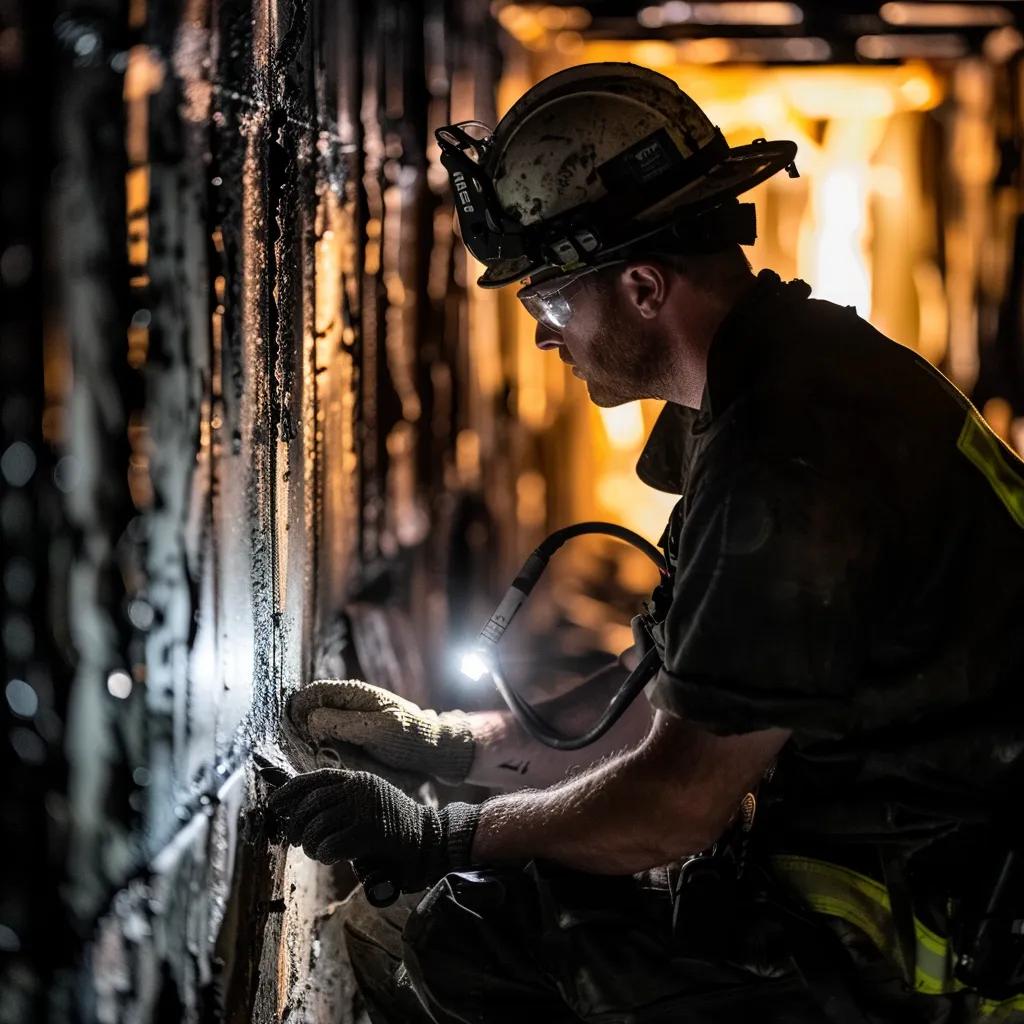
Fire damage assessment is a complex process that combines rigorous structural inspection, detailed residue analysis, and thorough system evaluations to restore safety and functionality to your home while guiding accurate, efficient restoration planning. Effective evaluation drastically reduces the risk of collapse, dangerous electrical faults, and lingering, pervasive odors that can make your home unlivable.
Fire Damage Assessment Techniques
Fire damage assessment involves a comprehensive evaluation of structural integrity, meticulous soot and smoke residue analysis, and a thorough check of the functionality of electrical and HVAC systems. Our experts use various advanced methods, including detailed visual inspection, precise residue analysis, and rigorous system testing, to accurately determine the full extent of the damage and develop appropriate, tailored restoration plans. This meticulous process is absolutely crucial for ensuring safety and preventing any further, costly damage.
This citation supports the article’s explanation of key techniques for fire damage assessment.
How Is Structural Integrity Evaluated After a Fire?
Post-fire structural integrity evaluation meticulously examines load-bearing walls, foundations, roof trusses, and steel elements for critical signs of heat-induced warping, dangerous char depth, and significant loss of cross-sectional strength. Our engineers use non-destructive testing (e.g., rebound hammer, ultrasonic pulse) and visual scanning to precisely rate element safety according to stringent building codes, ensuring your home is structurally sound.
How Do Experts Assess Soot and Smoke Damage?
Our experts assess soot and smoke damage by carefully collecting residue samples, meticulously analyzing particle composition, and precisely mapping deposition patterns on all surfaces. High-volume air sampling quantifies airborne particulates, while solvent rub tests on walls reveal surface soot. This crucial data informs our precise cleaning methods and effective odor mitigation plans, ensuring a thorough restoration.
What Is the Process for Evaluating Electrical and HVAC System Damage?
Evaluating electrical and HVAC systems involves a thorough inspection of wiring insulation, circuit breakers, ductwork, coils, and filters for any signs of smoke penetration, corrosion, and heat damage. Our technicians rigorously test system functionality, measure voltage stability, and recommend necessary component replacements or deep-cleaning procedures to ensure safe, reliable operation of these critical systems.
How Should Fire Damage Be Documented for Insurance Purposes?
Document fire damage by compiling a comprehensive, detailed report that includes all structural assessment findings, precise soot analysis results, clear photographs of all compromised elements, and a thorough cost estimate for all necessary repairs. Combining our expert reports with your homeowner evidence establishes a clear, undeniable path for swift claim approval and accurate restoration budgeting, getting you back on your feet faster.
How to Recognize and Assess Smoke Damage Effectively?
Smoke damage assessment precisely defines residue extent, odor intensity, and air quality impacts to tailor thorough cleaning and ensure occupant safety. Accurate evaluation prevents hidden contamination from undermining restoration outcomes, ensuring a truly clean and healthy environment.
What Are the Signs of Lingering Smoke Odors and Residue?
Lingering smoke odors present as acrid, pungent, unmistakable smells deeply embedded in carpets, fabrics, and HVAC ducts. Visible signs include tell-tale yellow-brown discoloration on ceilings and walls, and fine ash particles on horizontal surfaces. Recognizing these critical indicators allows for targeted, effective deodorization and cleaning, eliminating the problem at its source.
How Is Soot Damage Assessed and Cleaned?
Assessing soot damage requires precise residue testing on various materials—drywall, wood, textiles—to determine porosity and cleaning resistance. Our cleaning methods range from specialized dry sponging with chemical sponges to thorough wet cleaning with advanced detergents. Porous materials may need complete replacement if residues have penetrated too deeply, ensuring a truly clean result.
Why Is Air Quality Testing Important After Smoke Damage?
Air quality testing is absolutely crucial because microscopic smoke particles and dangerous volatile organic compounds (VOCs) can trigger severe respiratory issues and pose long-term health hazards. Using advanced particulate counters and VOC detectors, we ensure your indoor air meets stringent safety standards before reoccupation, protecting your family’s health.
How Can Homeowners Prepare Documentation for Smoke Damage Claims?
Homeowners should meticulously log initial discovery dates, collect residue swabs for professional lab analysis, and photograph damage in all affected rooms and duct vents. Combining this thorough documentation with our professional assessment reports and cleaning invoices streamlines insurance processing and reimbursement, making a stressful situation a little easier.
What Are the General Emergency Damage Assessment Principles Every Homeowner Should Know?
General assessment principles provide a crucial safety-first framework, a structured documentation approach, and clear criteria for professional intervention, empowering homeowners to manage crises effectively and confidently.
What Initial Steps Should Homeowners Take After Property Damage?
Homeowners should first and foremost ensure personal safety by immediately turning off utilities, wearing protective gear, and securing pets. Next, they must meticulously photograph and record all damage, noting precise dates and times, and then contact emergency restoration providers such as National Emergency Water Damage Experts for rapid, critical mitigation.
When Is It Necessary to Call Professional Damage Assessors?
Calling professional damage assessors is absolutely necessary when visible damage affects structural components, mold or soot pose serious health risks, or insurance documentation demands expert, verified assessment. Our certified technicians bring specialized equipment and industry-accepted methodologies that homeowners simply lack, ensuring a thorough and accurate evaluation.
How to Understand and Use Damage Assessment Reports?
Damage assessment reports meticulously break down findings by location, severity rating, required remediation steps, and precise cost estimates. Homeowners should carefully review each section, ask any questions about recommended procedures, and use the report to compare service proposals and fulfill all insurance requirements, ensuring transparency and clarity.
How Does Emergency Damage Assessment Support Insurance Claims?
Emergency damage assessment powerfully supports insurance claims by providing objective, third-party validation of the damage extent, its cause, and recommended repairs. Our comprehensive reports, complete with precise moisture readings, detailed structural evaluations, and thorough residue analyses, significantly reduce disputes and accelerate claim settlements, getting you the support you need faster.
What Advanced Technologies Are Used in Emergency Damage Assessment?
Advanced technologies such as thermal imaging cameras, precise moisture meters, ultrasonic thickness gauges, and sophisticated digital reporting platforms dramatically enhance accuracy and efficiency, enabling our technicians to uncover hidden damage and deliver data-driven, effective restoration plans.
How Do Thermal Imaging Cameras Detect Hidden Damage?
Thermal imaging cameras detect hidden damage by visualizing subtle temperature differentials that precisely indicate moisture presence, heat-weakened materials, or problematic airflow anomalies. This non-invasive, cutting-edge method instantly reveals leaks behind walls and voids in insulation without any destructive demolition, saving you time and money.
What Role Do Moisture Meters Play in Accurate Water Damage Detection?
Moisture meters measure electrical resistance or capacitance within materials, providing quantitative, precise readings of moisture content. Pin meters expertly assess internal moisture levels, while pinless meters scan surface moisture, helping our technicians map damp zones with unparalleled precision, ensuring no hidden moisture is missed.
How Are Structural Damage and Load-Bearing Components Evaluated Using Technology?
Structural damage evaluation employs advanced ultrasonic thickness gauges, rebound hammers, and laser scanning to meticulously assess material integrity and deformation. These powerful tools generate precise measurements of member thickness, hardness, and geometry, expertly guiding critical repair or reinforcement decisions to restore your home’s stability.
How Do Certified Technicians Use Technology to Improve Assessment Accuracy?
Our certified technicians seamlessly integrate data from multiple advanced devices into sophisticated digital reporting platforms, overlaying thermal images, precise moisture maps, and detailed structural scan results to create a comprehensive, 3D damage model. This evidence-based approach minimizes guesswork, enhances client trust, and ensures the most accurate assessment possible.
When and How to Contact National Emergency Water Damage Experts for Immediate Help?
Don’t wait. Contact National Emergency Water Damage Experts the moment you detect any sign of water intrusion, fire residue, or smoke contamination. Our 24/7 hotline ensures rapid response, thorough assessment, and efficient restoration to protect your home and cherished belongings, giving you peace of mind in a crisis.
What Makes Our 24/7 Emergency Response Essential for Damage Mitigation?
Our 24/7 emergency response is absolutely essential because prompt intervention immediately halts ongoing damage, prevents dangerous mold proliferation, and limits severe structural compromise. Rapid deployment of our certified technicians ensures that critical assessment and mitigation begin within hours, not days, making all the difference in protecting your property.
How Do Our Certified Technicians Ensure Comprehensive Damage Assessment?
Our certified technicians ensure comprehensive damage assessment by rigorously following IICRC standards, utilizing advanced diagnostic equipment, and meticulously documenting every finding with high-resolution imagery and precise measurements. This meticulous process guarantees an accurate diagnosis and tailored restoration plans, designed specifically for your home’s needs.
How Can We Assist You with Insurance Claim Documentation?
We assist with your insurance claim documentation by providing detailed, industry-standard reports that include precise moisture readings, thorough structural evaluations, comprehensive soot analyses, and accurate cost estimates. Our documentation is meticulously aligned with insurer requirements to streamline approvals and accelerate reimbursements, easing your burden.
What Should You Expect During Our Emergency Damage Assessment Visit?
During our emergency damage assessment visit, expect a crucial safety briefing, a full visual inspection, advanced diagnostic testing with state-of-the-art moisture meters and thermal cameras, and a clear, transparent explanation of all findings. You will receive a comprehensive written report and a clear restoration roadmap before we begin any work, ensuring you are fully informed every step of the way.
Prompt evaluation and effective mitigation are paramount to safeguarding your property’s value and your family’s well-being. Rely on our precise assessment, advanced technology, and unwavering 24/7 availability to restore your home swiftly and completely after disaster strikes.
et Immediate Hepl
Don't Let Damage Linger!
For immediate, expert assistance with water, fire, or smoke damage, trust the professionals. We’re here 24/7 to protect your home and restore your peace of mind.
Understanding Structural Integrity Post-Disaster
Ensuring the structural integrity of your home after an event like a fire or flood is paramount. Our assessment techniques focus on identifying any compromise to load-bearing walls, foundations, roof structures, and framing. We utilize specialized tools to detect hidden weaknesses, such as charring from fire or rot from prolonged water exposure. A thorough evaluation prevents catastrophic failures and ensures the safety of your living environment.
For detailed insights into how we assess structural stability, please refer to our section on evaluating structural water damage and structural integrity after a fire.
HVAC System Assessment After Damage
Fire and water damage can significantly impact your home’s HVAC system, leading to contaminated air circulation or electrical hazards. Our technicians meticulously inspect ductwork, filters, and internal components for soot, moisture, or mold. Proper assessment and cleaning of your HVAC system are crucial for maintaining healthy indoor air quality and preventing the spread of contaminants throughout your home.
Contact National Emergency Water Damage Experts
For immediate assistance and expert damage assessment, don’t hesitate to reach out to National Emergency Water Damage Experts. We are available 24/7 to provide rapid response and comprehensive restoration services. Your peace of mind is our priority.
Contact us today at National Emergency Water Damage Experts for prompt and reliable service.